

 En
En
 Español
Call Us
+86 0572-5911661
 Home / News / Industry news / Why SGS Certification for Gas Lift Cylinders Reduces Your Procurement Risk
2026-10-05
One bad gas lift cylinder can turn a profitable chair shipment into a warranty disaster. Buyers who skip third-party verification routinely find that a "quality" cylinder starts leaking, loses height, or fails load tests within the first year. SGS certification for gas lift cylinders closes that gap by replacing supplier self-claims with an independent, documented test result. This article covers what the certification verifies, how it lowers procurement risk, and how to audit a supplier's SGS claim.
Content
SGS certification for gas lift cylinders is independent third-party testing that verifies load capacity, sealing integrity, cycle durability, and safety behavior against a defined standard. SGS is a Switzerland-headquartered testing and certification company whose reports are accepted by importers, retailers, and furniture brands as documented evidence of quality.
A gas lift cylinder controls seat height and carries the full dynamic load of the user plus forces from daily swivel, tilt, and impact. That is why certification scope matters far beyond the factory gate.
A meaningful SGS report for a gas lift cylinder should cover at least the following items:
When a supplier can produce an SGS report for the exact model offered, the procurement decision moves from trust to evidence.
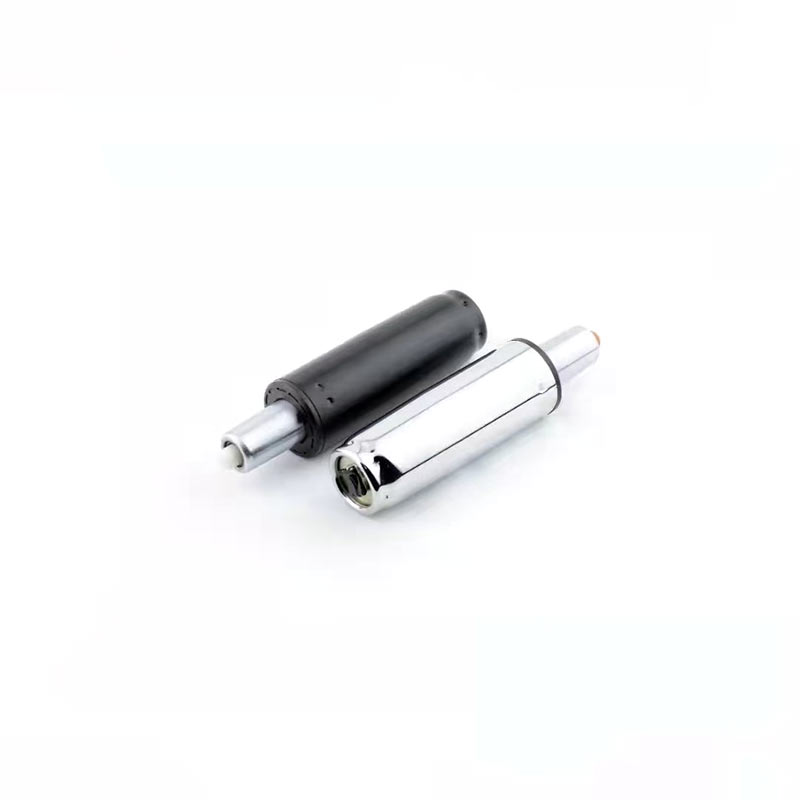 100# Durable Chair Gas Stick with Chrome FinishThis gas lift cylinder is rated for standard office chairs and comes with documentation matching SGS report numbers, stroke, and load class, making it suitable for verified bulk procurement.View Product →
Zhejiang Lubote Plastic Technology Co., Ltd. supplies gas lift cylinders with model-level documentation for exactly that reason, so the buyer can match the SGS report number, stroke, and load class to the component before mass production begins.
SGS-certified gas lift cylinders lower procurement risk because they convert quality from an unverifiable promise into a measurable, auditable outcome. The failure modes that hurt buyers are not exotic: height loss under load, gas seal leaks, rod corrosion, and sudden collapse. Each failure triggers a customer complaint, return freight, a replacement part, and labor at the customer site.
Annual field failure rate by verification level
Representative figures from warranty claims data reported by chair importers and distributors, 2023-2025.
The reduction shows up in fewer field claims, fewer assembly-line rejects, and faster audits from your own customers. Retailers increasingly ask for certification documents, and a supplier that attaches an SGS report to each batch shortens the approval process.
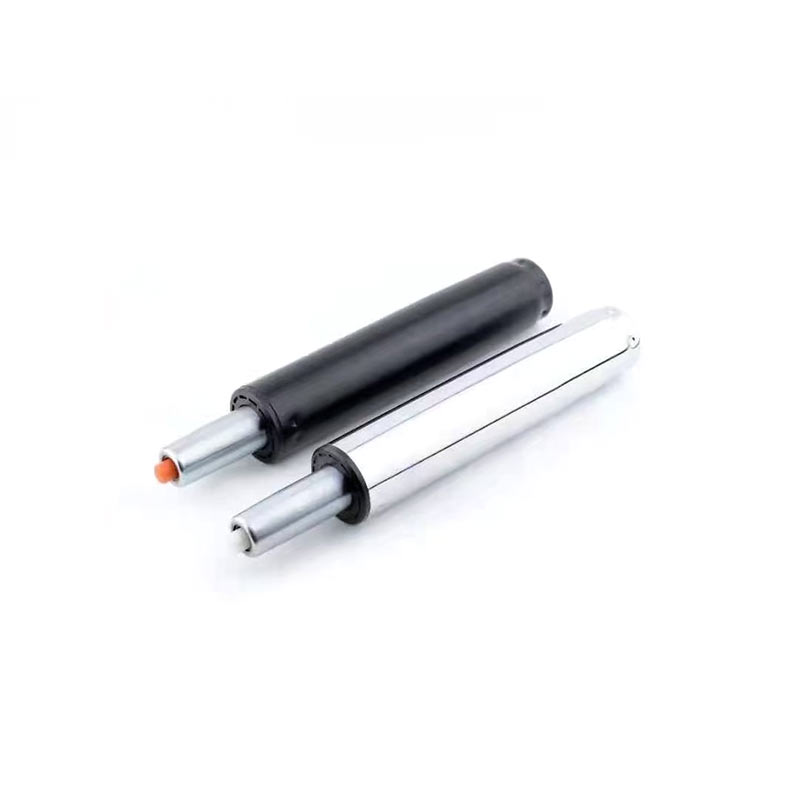 120# Stable and Durable Gas Lift CylinderEngineered for smooth mid-range height adjustment and consistent extension, this gas lift is commonly paired with a matching SGS report to support faster supplier audits and approvals.View Product →
For designs where consistent mid-range height adjustment and smooth extension matter most, the 120 Series Stable and Durable Gas Lift Cylinder is the configuration most often specified with a matching SGS report.
The difference between a certified cylinder and a self-declared one is not the steel; it is the evidence trail. A spec sheet tells you what the supplier wants you to believe; an SGS report tells you what an independent laboratory measured.
| Verification level | What is tested | Documentation you receive | Typical price effect |
| Supplier spec sheet | A one-line load claim, no test data | A PDF table with dimensions and maximum load | None |
| In-house QC report | Samples from the production batch tested on factory equipment | Batch number with a pass stamp | +2-4% |
| SGS-certified cylinder | Load, endurance, seal, corrosion, and safety tests by an independent lab | Numbered report, tested model list, certificate | +5-8% |
The practical consequences appear when something goes wrong. With a self-declared report, a dispute over a leaking batch ends in emails. With an SGS-certified supply chain, the contract can reference a concrete report, a tested model list, and batch traceability.
No report number, no tested model list, no independent record. Quality disputes depend on the supplier's willingness to accept a return.
Report number, tested model list, batch traceability. The purchase order can reference a precise document as the acceptance criterion.
A genuine SGS certification claim survives a five-minute document check; a fabricated one usually collapses immediately.
For a deeper walkthrough of how to read SGS documentation and match report details to your application, see this guide to SGS certification for gas lift cylinders.
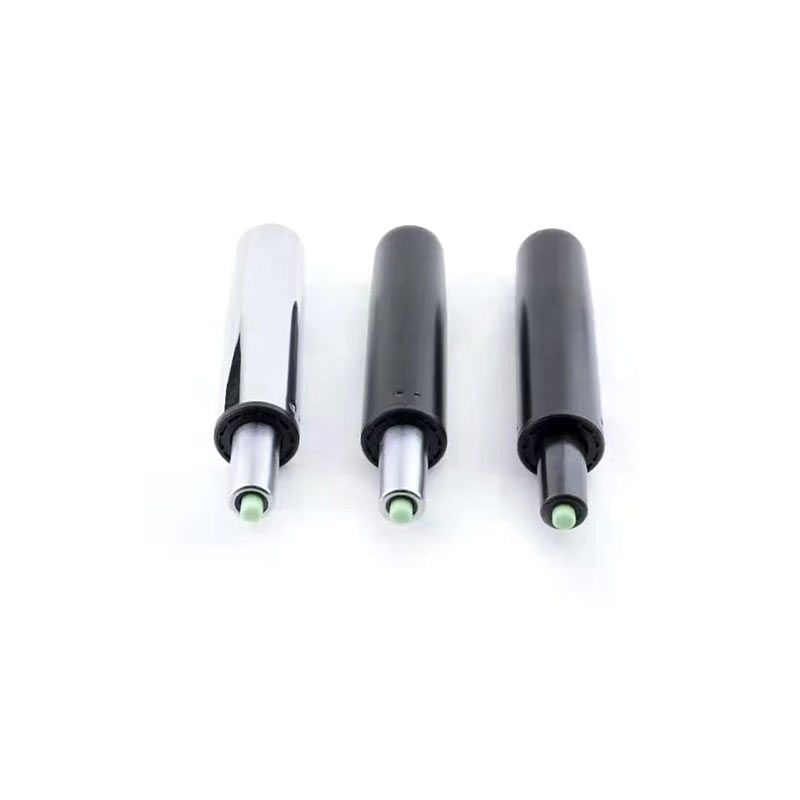 160# Weight Bearing Gas Lift CylinderDesigned for heavy-duty seating above 120 kg, this gas lift cylinder is the component that should arrive with SGS documentation attached, providing evidence for Class 3 applications.View Product →
For Class 3 applications above 120 kg, the 160 Series Weight-Bearing Gas Lift Cylinder is the type of component that should arrive with the SGS report attached to the shipment.
A certified cylinder costs more per unit, but the arithmetic usually favors certification once first-year claims, freight, and rework are included. Consider a buyer sourcing 10,000 cylinders per year.
The $40 handling figure is conservative: replacement cylinder, freight both ways, technician time, and claim administration. When field failures do occur, the replacement process carries hidden costs - our office chair cylinder replacement guide shows what a repair actually involves.
No international regulation makes SGS certification mandatory. It is a voluntary third-party verification. Many European and North American buyers require it in purchase contracts because it shifts quality assurance from supplier self-claims to an independent test report.
Ask the supplier for the SGS report number, the tested model list, and the issue date. Verify the report through the SGS verification channel, and confirm that the cylinder model, stroke, and load class appear on it. A certificate without a report number or model list is not sufficient.
Typical tests include static and dynamic load testing, vertical cycling endurance, gas leak and seal pressure tests, impact resistance, and corrosion checks, usually referenced to BIFMA X5.1 or EN 1335 load classes.
No certification guarantees zero failures. SGS certification establishes that a cylinder model meets defined thresholds under controlled testing. Procurement risk is reduced, not eliminated, so buyers should still specify batch traceability and a return agreement in the contract.
Recommended Products

Call Us
+86 0572-5911661

Need Support

Head Office
ADD:Baishuiwan Industrial Park, Anji County, Zhejiang Province
Copyright © 2025Zhejiang Lubote Plastic Technology Co. , Ltd.
All Rights Reserved.Custom Chair Replacement Accessories Factory

