

 En
En
 Español
Call Us
+86 0572-5911661

2025-12-11
When we think of an office chair, many features come to mind—armrests, seat cushions, wheels, tilt mechanisms. But among all these, there is one component that can fundamentally affect whether you end up with comfort and proper support or pain and posture problems: the lumbar support. In this article, we will dive deep into why adjustable lumbar support often becomes the turning point for chair performance and overall ergonomics. We’ll also examine how other Office Chair Components such as seat cushions, armrests, backrest tilt, and caster wheels interact with lumbar support — and how the synergy between them defines the real comfort and health benefits of your chair.
Content
The human spine naturally has an inward curve in the lower back region, known as the lumbar lordosis. Without proper support in this area, prolonged sitting will force muscles and ligaments to compensate, often resulting in fatigue or pain. Adjustable lumbar support helps maintain that natural curve, distributing spinal load more evenly and reducing pressure on intervertebral discs and surrounding muscles.
When lumbar support is missing or fixed at an incorrect height, the lower spine is forced into unnatural positions. Over time, this can lead to chronic issues such as slouched posture, compressed discs, lower‑back ache, and even long‑term musculoskeletal problems. People may unconsciously lean forward, overuse lower back muscles, or shift posture frequently to relieve discomfort, all of which degrade focus and productivity.
Even if you have perfect lumbar support, a hard or poorly shaped seat cushion can create pressure points under your thighs or tailbone, forcing your pelvis to tilt or shift — which in turn undermines lumbar alignment. The seat cushion plays a fundamental role in distributing body weight, maintaining proper pelvic tilt, and ensuring that lumbar support can do its job effectively. Incorrect cushion materials or design will lead to uneven pressure, discomfort, and compromised posture.
Armrests that are too low or fixed can cause shoulders to slump forward or strain, and arms to rest at non‑ergonomic angles — leading to upper back or neck tension. Properly adjustable armrests contribute to balanced upper body posture, which complements lumbar support by preventing compensatory slouching above the waist. Together, armrest adjustability and lumbar support ensure a harmonious posture from pelvis to shoulders.
The backrest tilt mechanism defines how the chair reclines or supports slight leaning. If tilt tension is too rigid, you might sit stiffly upright, causing pressure on your lower back. If too loose, your spine may slump. Proper tilt tension, combined with adjustable lumbar support, allows slight dynamic movement, encouraging micro‑movements that reduce stiffness and support spinal health.
Mobility provided by caster wheels affects how often you shift, reposition, or stand up — which indirectly influences posture and lumbar load distribution. Durable, smooth‑rolling casters encourage movement and posture changes. If wheels are poor quality or rough, users tend to remain static, placing continuous load on the lumbar support and seat cushion — potentially causing discomfort or uneven weight distribution.
Understanding each component separately is helpful, but real ergonomic benefit comes from their integration. A chair that combines adjustable lumbar support, well-designed seat cushion, correctly adjusted armrests, balanced tilt tension, and smooth caster wheels creates a cohesive system that supports the natural posture of your spine. It’s not simply about owning a chair with many features — it's about how those features complement one another to maintain spinal alignment, reduce fatigue, and enhance comfort over long work sessions.
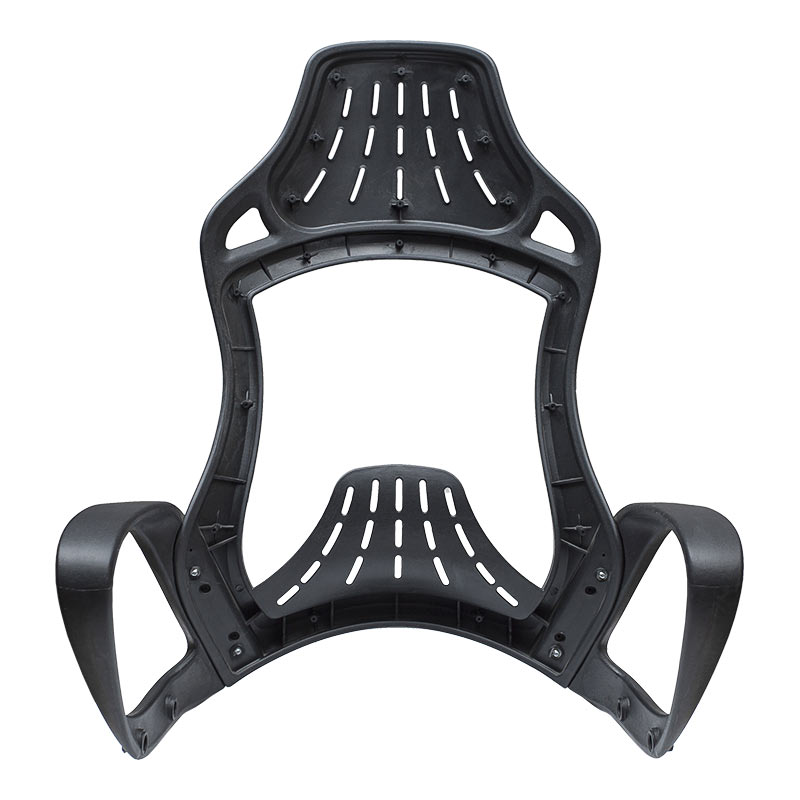
To check whether lumbar support is properly adjusted, sit back fully with your feet flat on the floor and knees at roughly 90°. If your lower back feels supported without excessive forward pressure or hollow space behind you, the support is likely at a good height and depth. If you feel tension, pinch, or a hollow gap, try adjusting support height upward or downward, or increasing/decreasing lumbar depth if the chair allows. Proper lumbar support should fill the natural inward curve of your spine comfortably, without forcing it forward.
Yes — a seat cushion that is too soft and compresses under weight can cause the pelvis to tilt backward or sink unevenly. That change in pelvic tilt shifts spinal alignment and undermines the effectiveness of lumbar support. Even if lumbar support is well positioned, poor seat cushioning can make your lower spine adopt an unnatural posture, increasing strain over time. In contrast, a firm but well‑contoured cushion helps maintain pelvic stability and supports spinal alignment.
Absolutely. While lumbar support maintains lower‑spine alignment, a rigid or locked backrest prevents subtle posture shifts that relieve pressure and reduce fatigue. Adjustable tilt tension allows you to recline slightly or shift position while still maintaining lumbar alignment — promoting dynamic sitting and improved long‑term comfort. Without tilt adjustability, users often end up sitting rigidly upright or leaning forward, both of which stress different parts of the spine.
Caster wheels greatly influence how often you shift position, stand up, or reposition yourself — all of which affect spinal load distribution. Smooth, durable wheels encourage movement and allow natural posture adjustments throughout the day, reducing prolonged static pressure on the lumbar region. Conversely, poor-quality wheels may lead to static sitting, increased lumbar load, and potentially discomfort or stiffness over time. Therefore, caster quality — while often overlooked — plays a supportive role in lumbar health and overall ergonomic comfort.
Recommended Products

Call Us
+86 0572-5911661

Need Support

Head Office
ADD:Baishuiwan Industrial Park, Anji County, Zhejiang Province
Copyright © 2025Zhejiang Lubote Plastic Technology Co. , Ltd.
All Rights Reserved.Custom Chair Replacement Accessories Factory

