

 En
En
 Español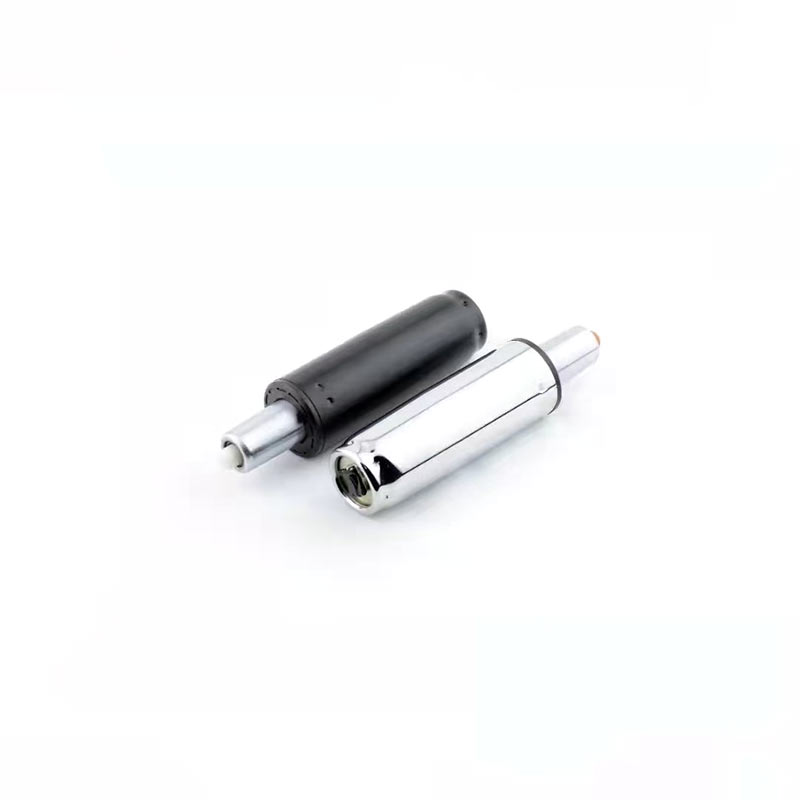
Call Us
+86 0572-5911661
 Home / News / Industry news / The Complete Guide to Nylon Office Chairs: Durability, Comfort, and Innovation
2025-12-19
Content
The material of an office chair is a fundamental determinant of its longevity, comfort, and overall value. Among the various polymers and fabrics available, nylon stands out as a particularly robust and versatile choice for office furniture. Engineered for performance, nylon office chairs offer a unique blend of strength, flexibility, and cost-effectiveness that makes them suitable for a wide range of professional environments, from home offices to bustling corporate spaces. This article delves deep into the world of nylon office chairs, exploring their advantages, applications, and the technological expertise behind manufacturing their key components. As a company at the forefront of plastic technology, Zhejiang Lubote Plastic Technology Co., Ltd. understands the intricate science required to transform raw nylon into durable, reliable, and ergonomic chair parts. Our commitment to research, advanced machinery, and a complete testing system ensures that each nylon component, from the base to the armrest, meets the highest standards of quality and performance, contributing to the creation of superior finished chairs.
Selecting the right office chair involves balancing several factors. When focusing on nylon chairs, specific features come to the fore. This section breaks down the essential characteristics you should evaluate, addressing common user queries and needs directly.
For individuals requiring a chair with enhanced capacity, a nylon office chair for heavy person is not merely a luxury but a necessity for safety and durability. Standard office chairs often have weight limits that may not provide adequate support, leading to premature failure and potential safety hazards. Nylon, especially when reinforced or used in specific engineering-grade formulations, presents an excellent solution due to its high tensile strength and impact resistance.
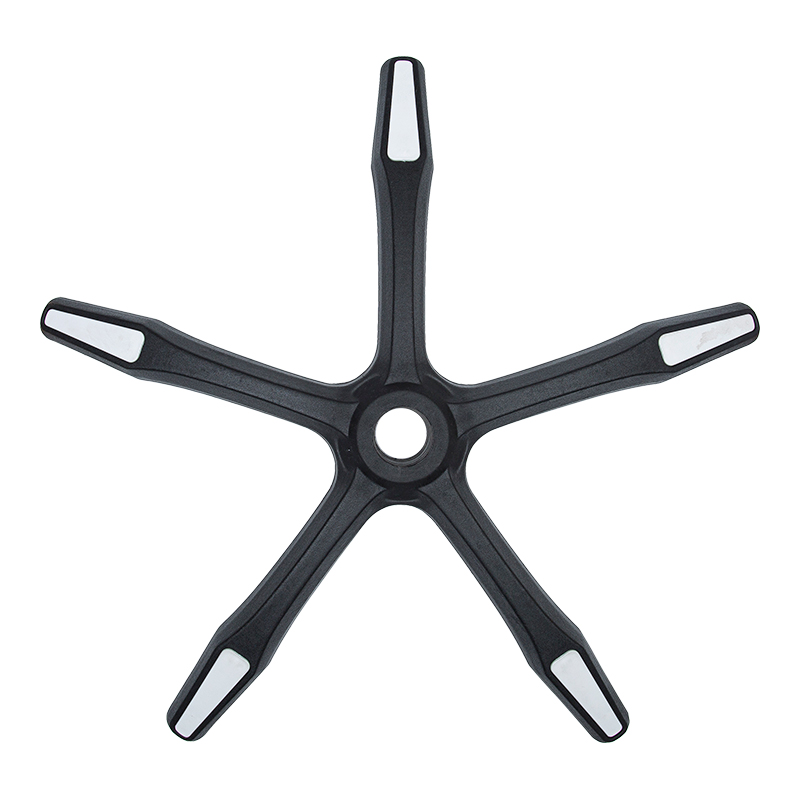
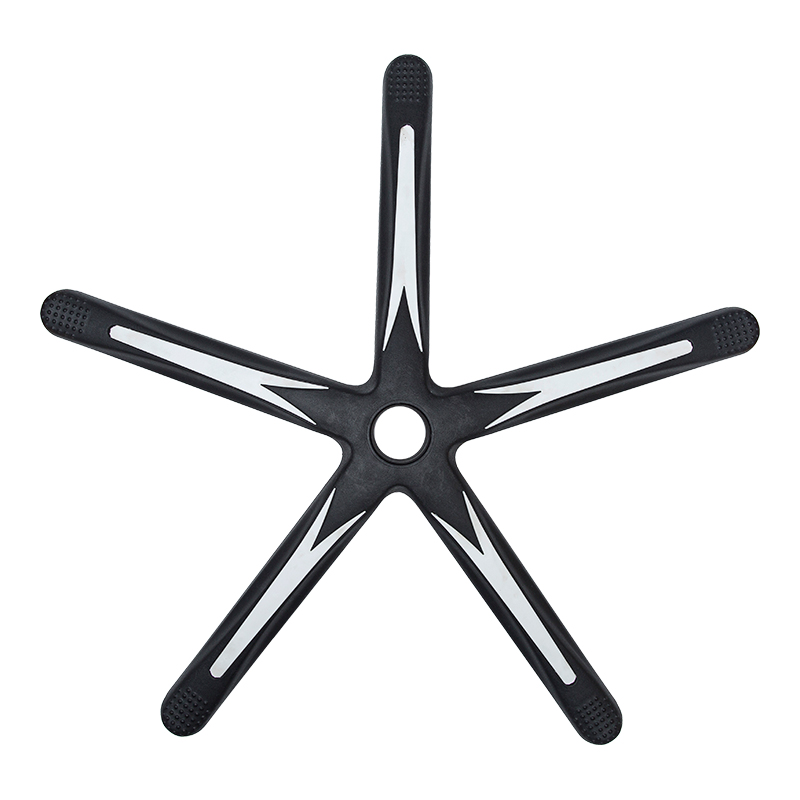
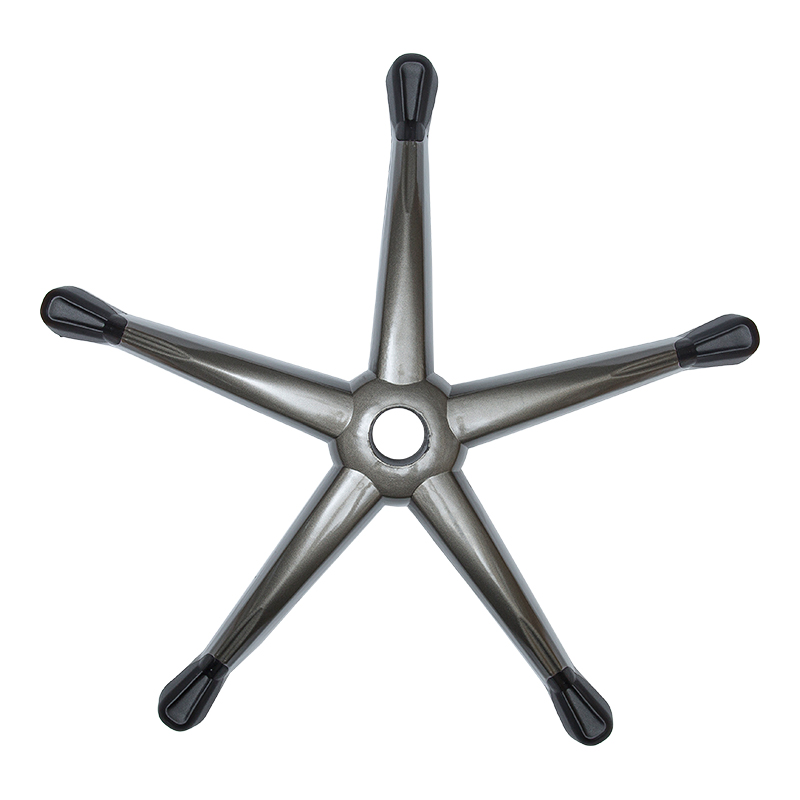
The primary components that must be fortified in such a chair are the base and the gas lift mechanism. A five-star nylon base designed for heavy-duty use is typically thicker, with more substantial webbing between the spokes to distribute weight evenly and prevent cracking under stress. Compared to standard bases, the difference is significant. For instance, a standard base might support up to 250 pounds, while a reinforced nylon base can reliably support 350 pounds or more. The chair's metal chassis, which connects the seat to the lift, must also be engineered from high-grade materials to handle the increased load without deformation.
Key features to look for in a chair designed for heavier weight capacities include:
Zhejiang Lubote Plastic Technology Co., Ltd. specializes in manufacturing critical components that meet these demanding specifications. Our professional production technology team focuses on creating nylon bases and structural components that undergo rigorous stress testing within our complete testing system. By adopting modern management and precision molding techniques, we ensure that every heavy-duty nylon base delivers consistent performance and safety, forming a reliable foundation for chairs built to last.
Back support is paramount for maintaining posture and comfort during long work hours. A nylon mesh office chair back support system offers a distinctive advantage by combining ergonomic contouring with exceptional breathability. Unlike solid plastic or padded fabric backs, nylon mesh molds to the shape of the user's spine while allowing air to circulate freely, reducing heat buildup and moisture—a common issue with traditional upholstery.
The effectiveness of mesh support lies in its tension and weave pattern. High-quality nylon mesh is elastic yet firm, providing dynamic lumbar support that adjusts with your movements. It pushes back against the spine to encourage a natural "S" curve, alleviating pressure on the lumbar region. When comparing mesh backs to traditional padded backs, the contrasts are clear:
The following table summarizes the core comparison:
| Feature | Nylon Mesh Back | Traditional Padded Back |
|---|---|---|
| Airflow & Temperature | Excellent breathability, keeps user cool. | Can trap heat, leading to discomfort. |
| Lumbar Support | Dynamic, contouring support that adapts. | Static support, reliant on cushion density. |
| Long-Term Maintenance | Easy to wipe clean, resistant to stains. | Requires upholstery cleaning, can stain. |
| Longevity of Support | Resists sagging if high-tension mesh is used. | Cushioning may compress and flatten over years. |
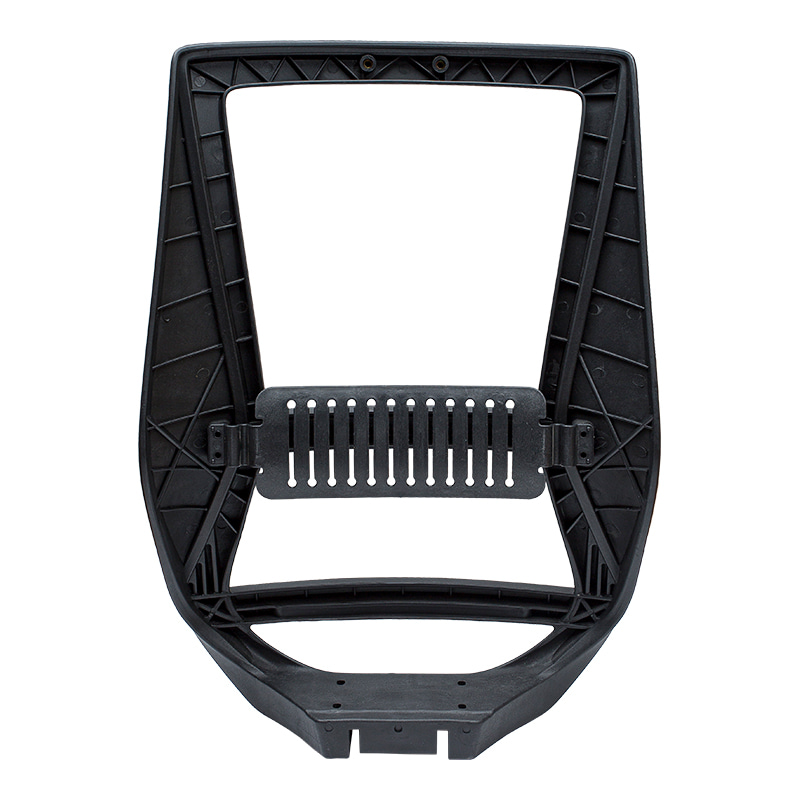
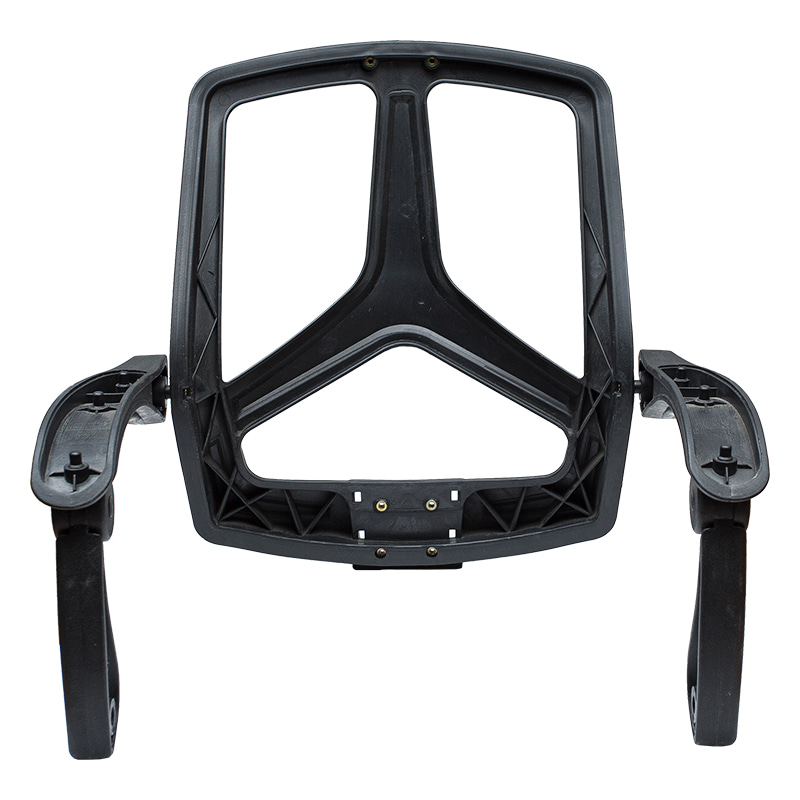
Creating a superior mesh back involves more than just stretching fabric over a frame. At Zhejiang Lubote, the design of plastic backrests and their integration with mesh materials is a precise science. Our advanced machinery allows for the creation of ergonomic frames that secure the mesh under optimal tension, ensuring lasting support and comfort that defines a high-quality nylon mesh office chair back support system.
The base is the unsung hero of an office chair, responsible for stability and smooth rotation. The terms "nylon" and "plastic" are often used interchangeably, but in engineering contexts, they refer to materials with different properties. Understanding the nylon vs plastic office chair base debate is crucial for making an informed purchase. Generally, "plastic" in chair bases often refers to cheaper polymers like polypropylene (PP) or acrylonitrile butadiene styrene (ABS), while "nylon" specifically refers to polyamide, a family of synthetic polymers known for toughness.
Nylon bases are typically produced through injection molding, resulting in a dense, flexible, and incredibly strong product. They have high resistance to impact, meaning they can withstand accidental knocks or overtightening of casters without cracking. Plastic bases (PP or ABS), while lightweight and cost-effective, are more brittle and prone to cracking under stress or in cold temperatures. The flexibility of nylon is a key advantage; it can bend slightly under extreme load rather than snapping.
Here is a detailed comparison of the two material types:
| Property | Nylon Base (Polyamide) | Standard Plastic Base (e.g., PP/ABS) |
|---|---|---|
| Durability & Impact Resistance | Exceptionally high. Can endure heavy loads and impacts without cracking. | Moderate to low. More brittle and prone to cracking under stress or impact. |
| Weight Capacity | Higher overall capacity, especially in reinforced designs. | Suitable for average weights; may fail under heavy or dynamic loads. |
| Flexibility | Has some degree of flexibility, which absorbs shock. | Generally rigid, which can be a point of failure. |
| Temperature Tolerance | Performs well in a wide range of temperatures. | Can become more brittle in cold environments. |
| Long-Term Wear | Resists deformation and wear from casters and movement. | May show wear more quickly, especially at caster sockets. |
| Cost | Generally higher due to material and processing costs. | Lower, making it common in budget-friendly chairs. |
For manufacturers and informed buyers, the choice is clear when longevity and safety are priorities. Zhejiang Lubote Plastic Technology Co., Ltd. focuses its expertise on engineering-grade nylon for bases. Our professional production team leverages the material's superior properties, and our complete testing system validates each batch for impact strength and load-bearing capacity, ensuring that a "nylon" base lives up to its name and provides a tangible advantage over generic plastic alternatives.
Purchasing a quality nylon office chair is an investment in your productivity and well-being. Proper care and understanding of its components can extend its lifespan significantly. This section addresses practical maintenance and repair scenarios.
Keeping your chair clean not only preserves its appearance but also its functionality. The process for how to clean a nylon office chair varies slightly depending on whether the nylon is used in a mesh back, a solid base, or armrests. Here is a comprehensive guide to ensure safe and effective cleaning.
For Nylon Mesh Backs and Fabric Seats:
For Solid Nylon Bases, Armrests, and Casters:
Universal "Do Nots" for Nylon Chair Care:
Following these steps will keep your chair looking and functioning like new for years. The durability of components manufactured by Zhejiang Lubote, from plastic backrests to nylon bases, is complemented by simple, regular maintenance.
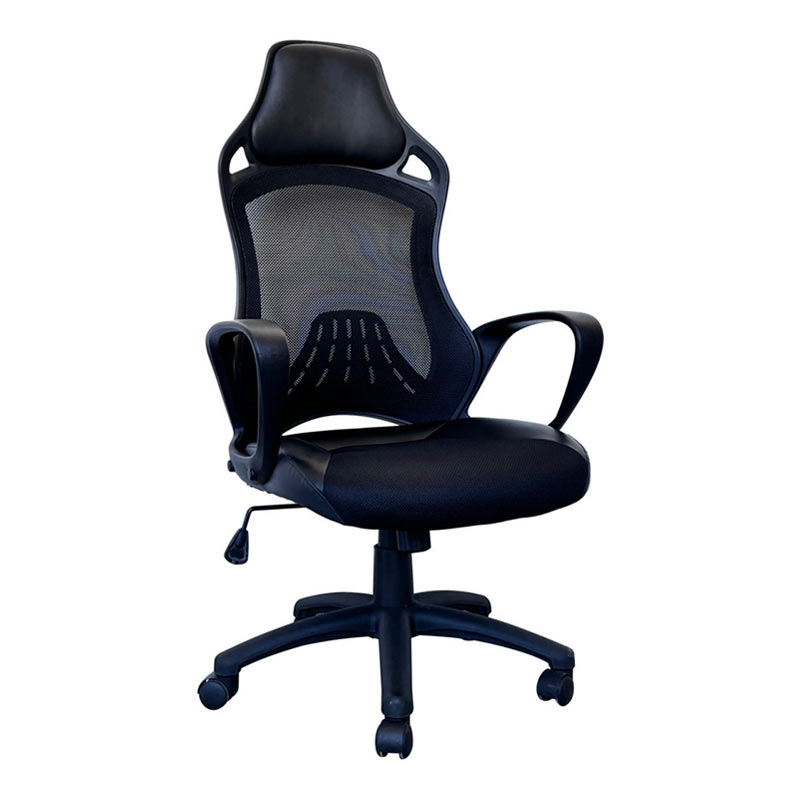
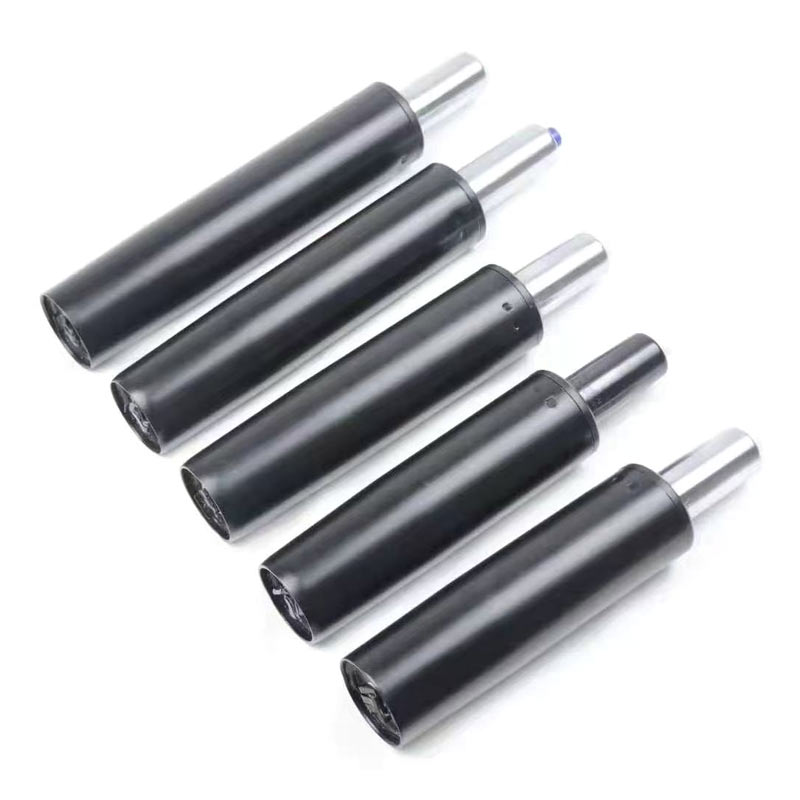
Even the most durable chairs may eventually require a part replacement due to wear and tear. The good news is that many nylon office chairs are designed with modularity in mind. Knowing about nylon office chair replacement parts can save you the cost of buying a whole new chair. The most commonly replaced parts are casters, gas lifts, armrest pads, and occasionally, the base or seat mechanisms.
Identifying and sourcing the correct part is the first step. Parts are often standardized, but measurements are critical. For example, gas lifts come in different diameters (like 50mm or 38mm) and have varying top and bottom fitting styles. Casters are defined by stem type (e.g., 11mm x 13mm grip ring stem) and wheel material. When replacing a nylon base, you must match the number of spokes (typically five), the pattern of the mounting hole for the gas lift, and the type of caster sockets.
A general guide to part compatibility and replacement difficulty:
| Replacement Part | Compatibility Check | Difficulty Level | Tools Typically Needed |
|---|---|---|---|
| Casters | Stem type and diameter. Measure the old caster stem. | Very Easy | None (pull out old, push in new). |
| Gas Lift (Pneumatic Cylinder) | Cylinder diameter and chair mechanism type. | Moderate | Rubber mallet, pipe wrench (or strap wrench). |
| Armrest Pads/Caps | Shape and mounting screw pattern. | Easy | Screwdriver. |
| Nylon Base | Number of spokes, gas lift mounting hole, caster socket size. | Easy to Moderate | Turn chair upside down; replace base after removing casters and gas lift. |
| Seat/Back Mechanism | Highly model-specific. Often requires manufacturer diagrams. | Difficult | Various screwdrivers, wrenches. |
For businesses and individuals, sourcing high-quality replacement parts is key. As a manufacturer of core components, Zhejiang Lubote Plastic Technology Co., Ltd. produces a series of finished chairs and their integral parts, such as nylon bases, plastic backrests, armrests, and casters. Our products are engineered to precise specifications, ensuring that when a replacement is needed, a compatible part from a quality-focused manufacturer can restore the chair's original integrity and performance, making the search for reliable nylon office chair replacement parts a straightforward task.
The journey to selecting the ideal office chair is nuanced, heavily influenced by the materials that constitute its core. A nylon office chair represents a synthesis of practical engineering and ergonomic design. From providing essential support for a nylon office chair for heavy person to delivering the breathable, adaptive comfort of a nylon mesh office chair back support system, this material proves its versatility. The clear advantages highlighted in the nylon vs plastic office chair base comparison underscore nylon's role in ensuring long-term safety and durability. Furthermore, understanding how to clean a nylon office chair and knowing where to find nylon office chair replacement parts empowers you to maintain your investment effectively. Ultimately, the quality of the individual components determines the chair's overall value. Companies dedicated to technological innovation in plastics, like Zhejiang Lubote Plastic Technology Co., Ltd., with their focus on research, advanced production, and rigorous testing, are pivotal in elevating the standard of what a nylon office chair can be, ensuring it is not just furniture, but a tool for sustained well-being and productivity.

Call Us
+86 0572-5911661

Need Support

Head Office
ADD:Baishuiwan Industrial Park, Anji County, Zhejiang Province
Copyright © 2025Zhejiang Lubote Plastic Technology Co. , Ltd.
All Rights Reserved.Custom Chair Replacement Accessories Factory

