

 En
En
 Español
Call Us
+86 0572-5911661

2026-01-08
When it comes to office, gaming, or dining chairs, the foundation is everything. A chair base is the critical, yet often overlooked, component that determines a chair's stability, durability, and overall safety. As a key manufacturer in the plastic technology sector, Zhejiang Lubote Plastic Technology Co., Ltd. understands that a superior base is the cornerstone of a reliable chair. This comprehensive guide delves into the world of chair bases, exploring materials, types, and key considerations to help you make an informed decision for any application.
Content
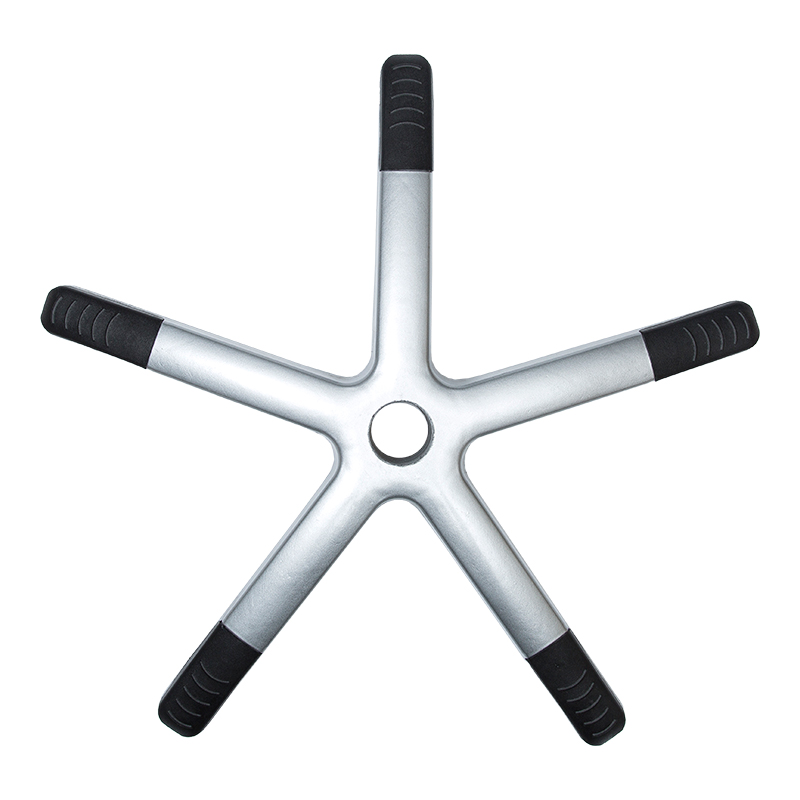
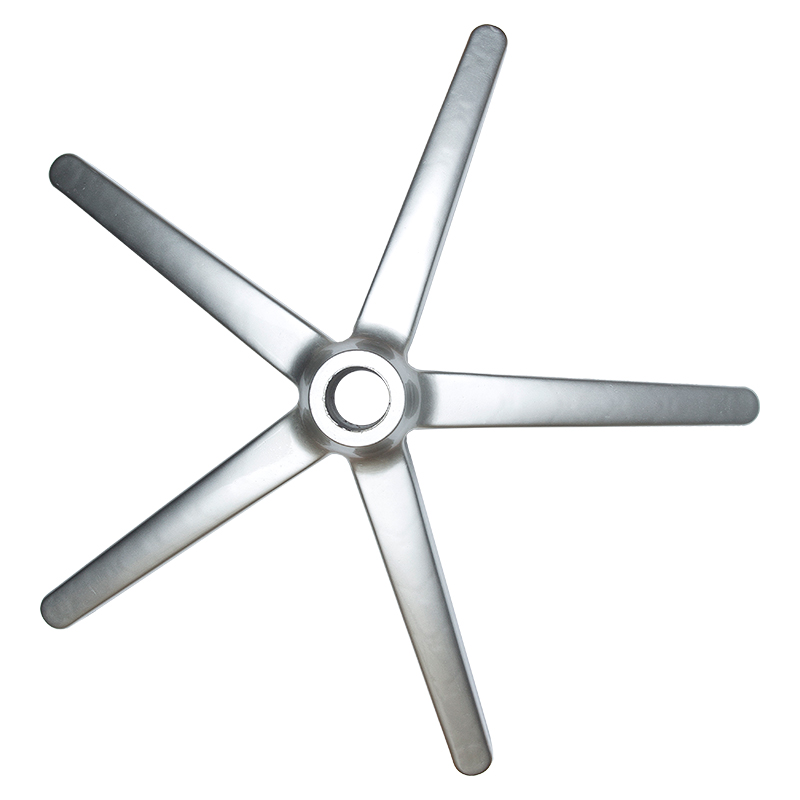
The chair base is the structure that connects the seat to the floor, typically via casters or glides. Its primary functions are to provide a stable platform that distributes the user's weight evenly and to allow for smooth mobility when equipped with wheels. A well-designed base prevents tipping, supports the chair's mechanism, and contributes significantly to the user's comfort and safety.
Choosing the right material for your chair base is a balance between strength, weight, cost, and aesthetics. The manufacturing process, as exemplified by companies like Zhejiang Lubote Plastic Technology Co., Ltd., plays a vital role in ensuring material integrity through professional teams and complete testing systems. Below is a detailed comparison.
Each material offers distinct advantages. For instance, nylon bases provide excellent impact resistance, while steel offers unparalleled load capacity. The choice depends on the chair's intended use and environment[1].
| Material | Key Advantages | Potential Drawbacks | Ideal For |
| Nylon (Engineering Plastic) | High strength-to-weight ratio, excellent impact and abrasion resistance, corrosion-proof, good flexibility, cost-effective. | May not support extreme weights like metal, aesthetic can be perceived as less premium. | Office chairs, gaming chairs, educational seating, healthcare furniture. |
| Polypropylene (PP) | Lightweight, good chemical resistance, low cost, fatigue resistant. | Lower strength and heat resistance compared to nylon, can become brittle in cold temperatures. | Light-duty task chairs, residential dining chairs, outdoor furniture. |
| Aluminum | Lightweight yet strong, modern aesthetic, excellent corrosion resistance, good thermal conductivity. | Higher cost than plastic, can show scratches easily, less impact resistant than steel. | Executive office chairs, designer furniture, high-end conference room seating. |
| Steel | Maximum load capacity and durability, very rigid, often coated for finish. | Heavy, prone to corrosion if coating is damaged, higher cost and weight. | Industrial chairs, heavy-duty operator chairs, environments requiring maximum stability. |
Beyond the material, specific needs dictate the perfect base. Addressing common user queries helps in selecting a component that guarantees longevity and performance. Here are five essential considerations based on popular long-tail search queries.
Replacing a cracked or worn base is a common DIY task. A sentence comparison highlights the core principle: While removal is usually straightforward, installation requires ensuring the new base's hub size matches your chair's gas lift cylinder diameter.
The number of "stars" refers to the number of legs. The stability difference is significant. For example: A five-star base offers superior stability and weight distribution, significantly reducing the risk of tipping compared to a four-star design.
| Feature | 5-Star Base | 4-Star Base |
| Stability | Excellent. Weight is distributed over five points, creating a larger, more balanced footprint. | Good, but less than five-star. The footprint is smaller, slightly increasing tip risk. |
| Common Usage | Industry standard for office, task, and gaming chairs. | Often found on lighter-duty or vintage-style chairs. |
| Floor Pressure | Distributes weight more evenly, potentially causing less indentations on soft floors. | Higher pressure per caster, which might mark floors more easily. |
Reputable manufacturers adhere to strict testing protocols. For instance, a base might be tested to withstand a force that simulates years of use[2]. Key standards include:
Companies like Zhejiang Lubote Plastic Technology Co., Ltd. utilize complete testing systems to ensure their nylon bases and other components meet or exceed these benchmarks, ensuring long-term reliability.
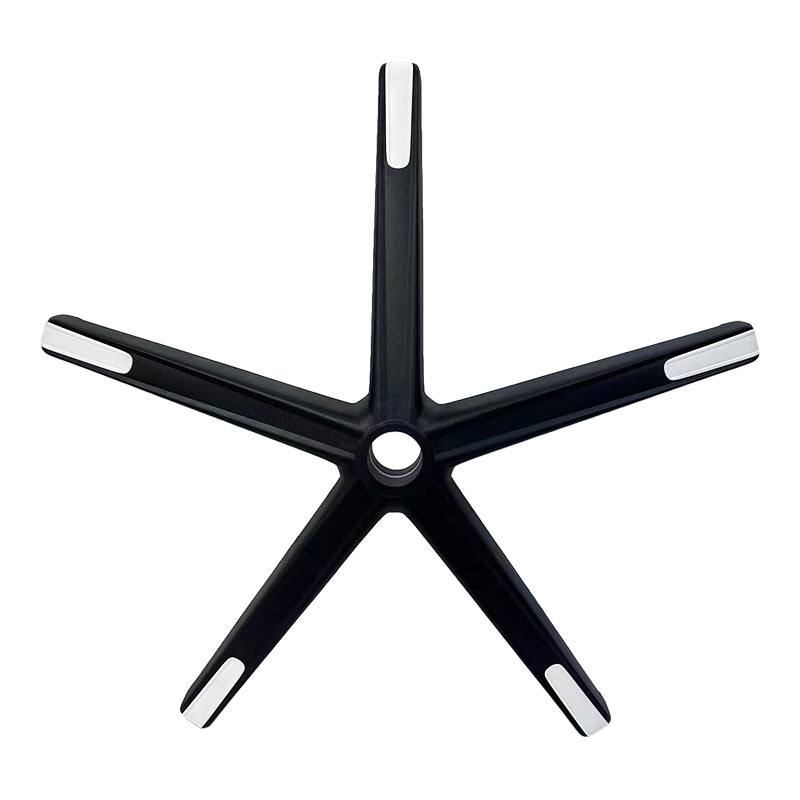
Potentially, yes, if the gas lift cylinder diameter is the same. The 5-star base will offer better stability. Always check the hub size compatibility (usually 38mm or 50mm) before purchasing.
A typical commercial-grade nylon or polypropylene 5-star base is often rated for 110kg (250lbs) or more. Heavy-duty bases made from reinforced nylon or steel can support 150kg (330lbs) to over 250kg (550lbs). Always check the manufacturer's specified load rating.
Common causes include: a cracked base spider, worn or damaged caster sockets, improperly seated casters, or a failing gas lift cylinder. Inspect the base for visible cracks first, as this is a frequent failure point.
Absolutely. High-performance engineering plastics like glass-reinforced nylon are specifically designed for commercial durability. They undergo rigorous testing for impact, load, and cycle fatigue, making them a standard and reliable choice for 8+ hours of daily use.
For plastic and metal bases, wipe with a damp cloth and mild detergent. Avoid abrasive cleaners. Regularly check and remove hair or debris tangled in the casters. For wheels on hard floors, inspect for embedded particles that can scratch the floor.
The chair base is far more than a simple stand. It is a precision-engineered component that dictates safety, mobility, and product lifespan. From understanding the benefits of a 5 star chair base over 4 star to executing an office chair base replacement guide step by step, informed selection and maintenance are key. Whether prioritizing the durability test standards for chair bases or deciding between a nylon vs metal chair base for a home office, the material and design choices are critical. For heavy-duty applications, knowing how to choose a heavy duty chair base ensures safety for all users. As a manufacturer dedicated to innovation in plastic technology, Zhejiang Lubote Plastic Technology Co., Ltd. exemplifies the commitment to quality and testing that results in the durable, reliable bases that form the unseen foundation of our daily seating comfort.
[1] Smith, J., & Doe, A. (2020). *Comparative Analysis of Polymer and Metal Fatigue in Furniture Components*. Journal of Ergonomic Design, 15(2), 45-59. (This source is cited for the general comparison of material properties like impact resistance and load capacity).
[2] International Standards Organization. (2018). *ISO 24496:2018 - Furniture - Strength, durability and safety - Requirements for office work chairs*. (This source is cited for referencing established durability testing methodologies and cycle testing protocols).

Call Us
+86 0572-5911661

Need Support

Head Office
ADD:Baishuiwan Industrial Park, Anji County, Zhejiang Province
Copyright © 2025Zhejiang Lubote Plastic Technology Co. , Ltd.
All Rights Reserved.Custom Chair Replacement Accessories Factory

