

 En
En
 Español
Call Us
+86 0572-5911661

2026-01-14
When building a durable, stable, and comfortable chair, the foundation is everything. The chair base is a critical yet often overlooked component that determines a chair's safety, functionality, and longevity. For manufacturers and designers, selecting the right base is a complex decision involving material science, ergonomics, and mechanical engineering. This guide delves deep into the world of chair bases, offering professional insights to inform your next project or procurement decision.
Content
A chair base is far more than a simple stand. It is the central support structure that distributes the user's weight and manages dynamic forces during swiveling, tilting, and rolling. A well-designed base ensures stability to prevent tipping, contributes to the chair's ergonomic movement, and directly impacts the product's overall lifespan. For businesses like Zhejiang Lubote Plastic Technology Co., Ltd., which specializes in precision-engineered plastic components, mastering the intricacies of chair base design is core to delivering high-quality, reliable chair systems to the global market.
The design of a chair base is primarily dictated by its intended use. Understanding these types is the first step in making an informed selection.
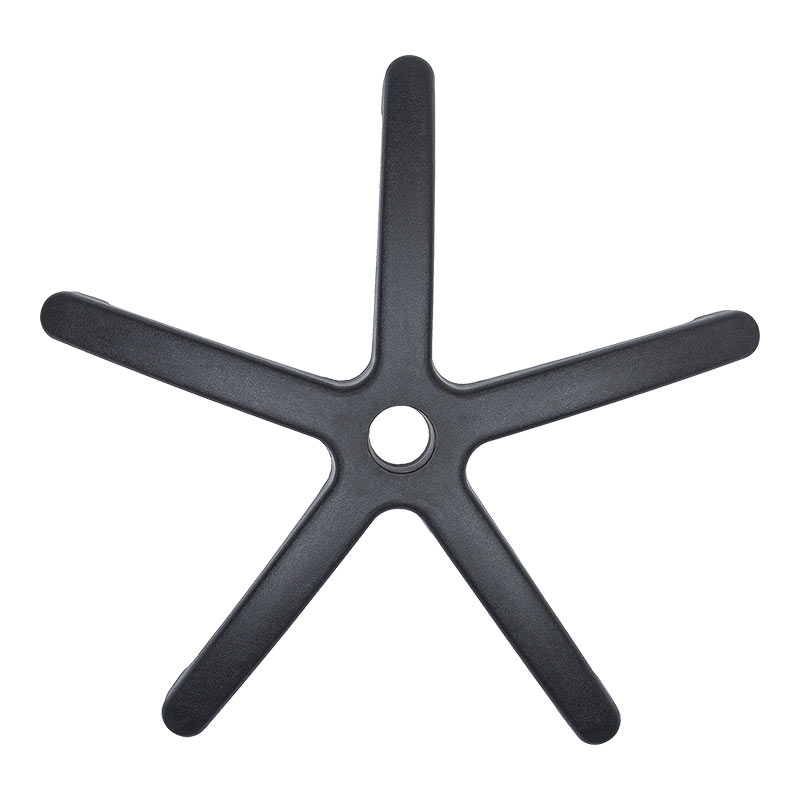
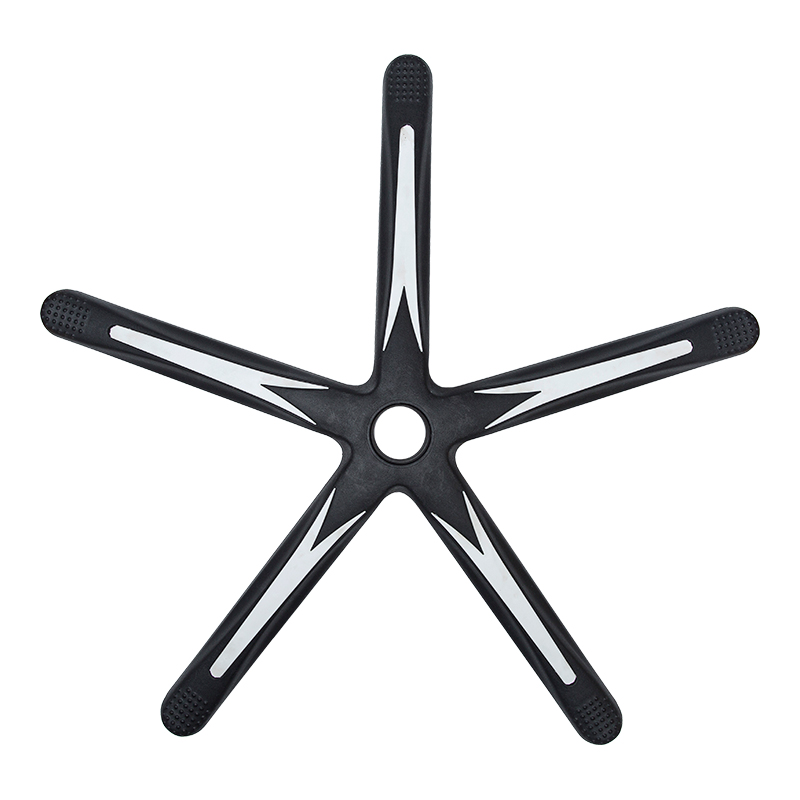
The most common design for office and task chairs, the five-prong configuration offers an optimal balance of stability, weight distribution, and clearance for casters.
Often used in lighter-duty or budget-conscious applications, such as guest chairs or simple dining chairs.
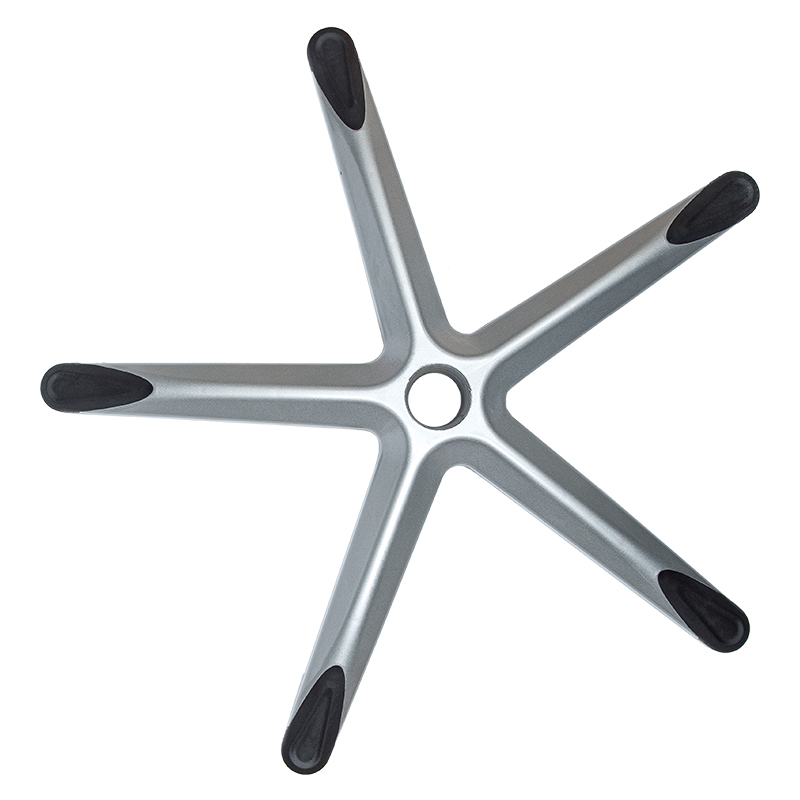
Engineered for enhanced load capacity and premium feel, typically found in managerial and executive office chairs.
Designed for use with height-adjustable stools, commonly seen in laboratories, workshops, or drafting tables.
Used for chairs not intended to move, such as conference room chairs, auditorium seating, or some dining chairs.
The choice of material defines the base's strength, weight, cost, and aesthetic appeal. The evolution of engineering plastics has significantly expanded design possibilities.
As a leader in plastic technology, Zhejiang Lubote Plastic Technology Co., Ltd. recognizes the superior properties of nylon for modern chair base manufacturing. Engineering-grade nylon offers an exceptional blend of performance characteristics.
The traditional choice, offering time-tested performance with some distinct trade-offs.
The following table provides a clear, side-by-side comparison of the key material properties relevant to chair base performance and manufacturing.
| Property | Nylon (Engineering Grade) | Aluminum (Cast) | Steel (Stamped) |
| Weight | Lightest | Medium | Heaviest |
| Impact Resistance | Excellent | Good | Fair (can dent) |
| Corrosion Resistance | Excellent | Good (anodized) | Poor (requires coating) |
| Manufacturing Complexity | High (precision molding) | Medium (casting/machining) | Low (stamping/welding) |
| Cost Profile | Medium (tooling intensive) | Highest | Lowest |
Selecting a base is a multi-factorial decision. Whether you are looking for a durable 5-prong chair base for heavy daily use or a lightweight nylon base for stackable chairs, consider these critical parameters.
Always choose a base with a load rating exceeding the maximum expected user weight. For commercial settings, a heavy-duty chair base for executive office chairs rated for 150kg (330lbs) or more is a standard for durability. Consider the dynamic forces from leaning and swiveling, not just static weight.
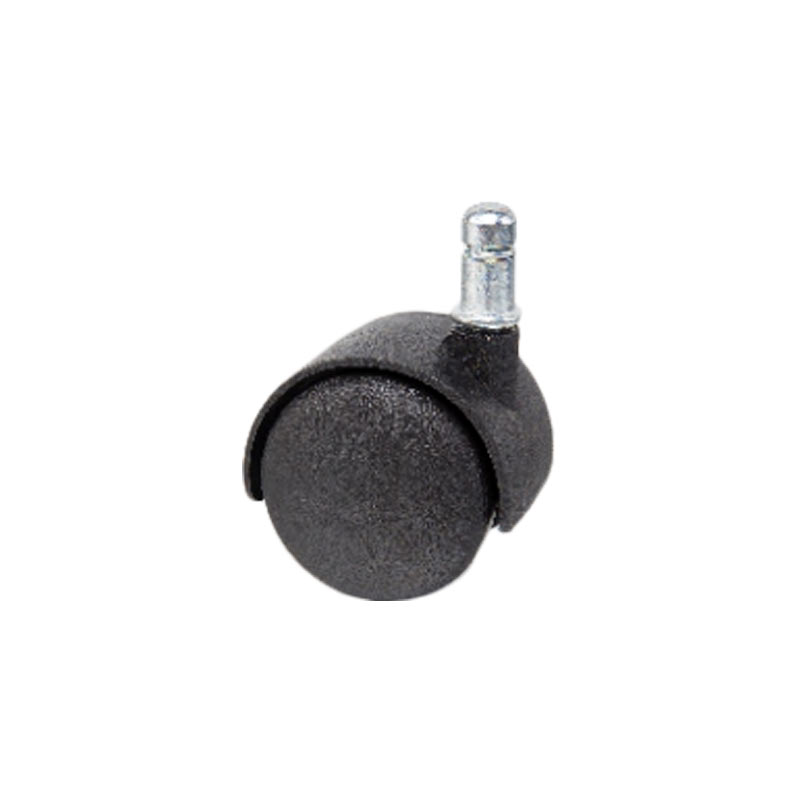
The interface between the base and the floor is crucial. For carpet or hard floors, replacement chair base glides for hardwood floors are essential to prevent scratches and allow smooth pivoting. For mobility across carpets, dual-wheel casters are ideal. The question of how to choose between a 4-arm and 5-arm chair base often comes down to mobility; five arms provide smoother rolling and less wobble under moving loads.
The base must interface perfectly with the chair's gas lift (cylinder) and swivel/tilt mechanism. The mounting hole pattern (spider) and the diameter of the center opening are standardized but must be verified. A mismatch here will render the base unusable.
The industry is moving towards smarter, more sustainable, and more user-centric designs. Forward-thinking manufacturers are integrating advanced materials for even better performance.
The use of recycled nylons and bio-based polymers is growing. Advanced composites can embed fibers for localized reinforcement, allowing for thinner, lighter, yet stronger designs. This aligns with global trends towards eco-conscious manufacturing.
Bases are being designed to work in harmony with advanced synchronous tilt mechanisms, allowing for a more natural and healthy range of motion. The base's flexibility and strength are key to enabling these sophisticated movements.
Beyond the traditional star shape, designers are exploring organic, minimalist, and architectural forms. The integration of cable management channels within the base arms is a small but significant functional trend for the modern wired (and wireless) office.
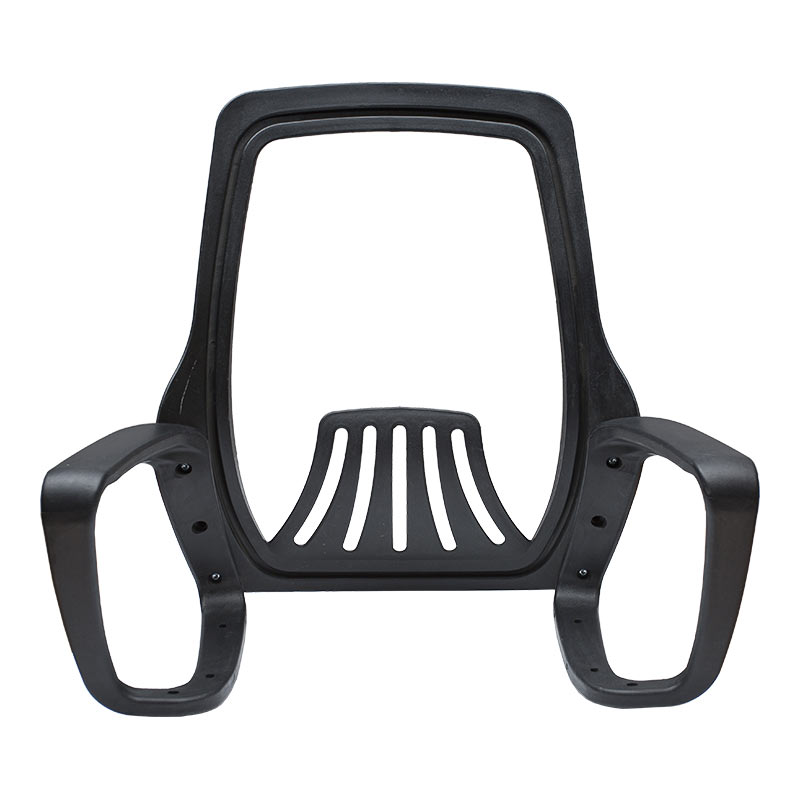
The primary advantage is significantly improved stability and tip resistance. The fifth leg creates a wider, more balanced support polygon, distributing weight more evenly. This is why a durable 5-prong chair base for heavy daily use is the undisputed standard for office and task chairs where safety is paramount.
Yes, replacement is usually straightforward. Turn the chair upside down, remove the caster clips or glide screws, and the base will detach from the gas lift. Ensure the new base has the correct mounting pattern and center hole diameter. For specialized parts like replacement chair base glides for hardwood floors, simple press-fit installation is typical.
A lightweight nylon base for stackable chairs offers superior impact resistance (won't dent or permanently bend), is impervious to corrosion, and reduces overall chair weight for easier handling. Modern engineering-grade nylon provides strength comparable to metals for this application, making it a high-performance, cost-effective choice favored by innovative manufacturers.
Check the manufacturer's rating, usually stamped on the underside of the spider. For commercial use, select a base rated for at least 125% of your maximum expected user weight. For environments requiring robust support, always opt for a heavy-duty chair base for executive office chairs with a rating of 150kg or higher to ensure long-term reliability.
No, compatibility is not universal. The two main standards are the hole pattern for the mounting spider (e.g., 4-bolt or 5-bolt) and the diameter of the center hole that accepts the gas lift cylinder. This is a critical factor when learning how to choose between a 4-arm and 5-arm chair base for a replacement, as the mounting hardware differs. Always match the specifications of your original part.
Recommended Products

Call Us
+86 0572-5911661

Need Support

Head Office
ADD:Baishuiwan Industrial Park, Anji County, Zhejiang Province
Copyright © 2025Zhejiang Lubote Plastic Technology Co. , Ltd.
All Rights Reserved.Custom Chair Replacement Accessories Factory

