

 En
En
 Español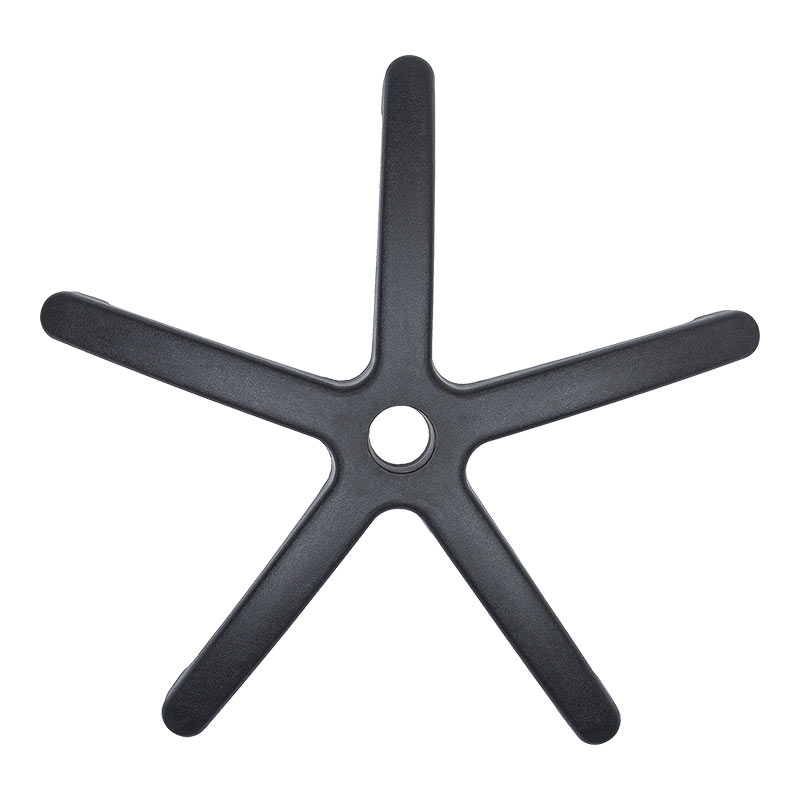
Call Us
+86 0572-5911661
 Home / News / Industry news / The Ultimate Guide to Chair Accessories: Enhancing Comfort, Style, and Functionality
2026-01-01
From home offices to corporate boardrooms, the chair is a cornerstone of daily life. Yet, its full potential is often unlocked not just by the chair itself, but by the thoughtful addition of chair accessories. These components are crucial for ergonomic support, aesthetic customization, and extending the lifespan of your seating solution. For businesses and manufacturers, understanding the nuances of these accessories is key to delivering superior value. At Zhejiang Lubote Plastic Technology Co., Ltd., established in 2019, we combine dynamic innovation with professional manufacturing in plastic technology to produce high-quality components that form the backbone of reliable chairs. This guide delves deep into the world of chair accessories, offering specific insights to help you make informed decisions.
Content
Chair accessories encompass a wide range of parts and add-ons that enhance the core chair structure. They can be broadly categorized into functional components (integral to the chair's mechanics) and aftermarket additions (for personalization). Key categories include:
Choosing the right accessories requires balancing ergonomics, material durability, and compatibility with your existing chair.
This section explores critical accessories, focusing on specific, common user needs to provide actionable, in-depth information.
Maintaining the spine's natural lumbar curve is essential to prevent slouching, muscle strain, and increased disc pressure[2]. For many, the search for an effective office chair lumbar support pillow for lower back pain is a direct response to discomfort. The ideal solution offers adjustability in both height and depth to conform precisely to the individual's lower back, providing active rather than passive support.
Materials and design vary significantly, impacting both comfort and therapeutic value. Here’s a comparison between a basic add-on pillow and an integrated ergonomic design:
| Feature | Basic Add-on Lumbar Pillow | Integrated Ergonomic Lumbar Support |
| Material | Standard polyurethane foam with fabric cover | Contoured memory foam or dual-density foam, often with breathable mesh |
| Adjustability & Fit | Limited; attaches with straps and may shift. | Often features height and depth adjustments built into the chair's backrest. |
| Support Mechanism | Provides cushioning but may not promote proper posture. | Designed to actively guide the spine into a healthy, neutral position[1]. |
| Ideal Use Case | Temporary relief or supplementing a chair with no support. | Users with chronic lower back pain or those seated for long, uninterrupted periods. |
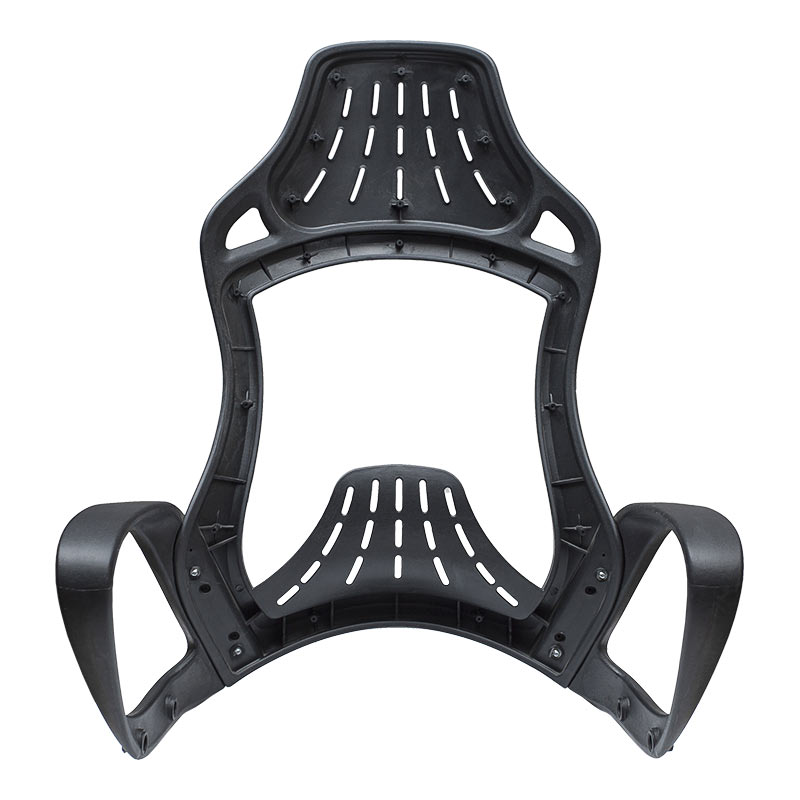
For original equipment manufacturers, integrating scientifically contoured support into the chair's backrest is paramount. Companies like Zhejiang Lubote Plastic Technology Co., Ltd. specialize in engineering such plastic backrests, ensuring the support is durable, consistent, and a fundamental part of the chair's ergonomic profile.
Standard chair casters are designed for hard floors and become a nuisance on carpet—sinking in, causing damage, and hindering movement. This makes the search for heavy duty chair casters for carpet flooring a top priority for home offices and many commercial spaces.
The key lies in the wheel's material, diameter, and tread design. The following comparison clarifies the best choice for different environments:
| Feature | Standard Hard Floor Casters | Heavy-Duty Carpet Casters |
| Wheel Material | Hard nylon or soft rubber | Polyurethane or wide, rubber-treaded wheels |
| Wheel Design & Size | Smaller diameter (40-50mm), often dual-wheel. | Larger diameter (50-75mm), single wide or roller-blade style. |
| Floor Interaction | Can scratch hardwood; digs into carpet. | Distributes weight over a larger area to prevent carpet indentations. |
| Performance | Rolls easily on tile/hardwood; gets stuck on carpet. | Glides smoothly with minimal effort on medium to high-pile carpets. |
Upgrading to appropriate casters is a simple modification that dramatically improves functionality and protects flooring.
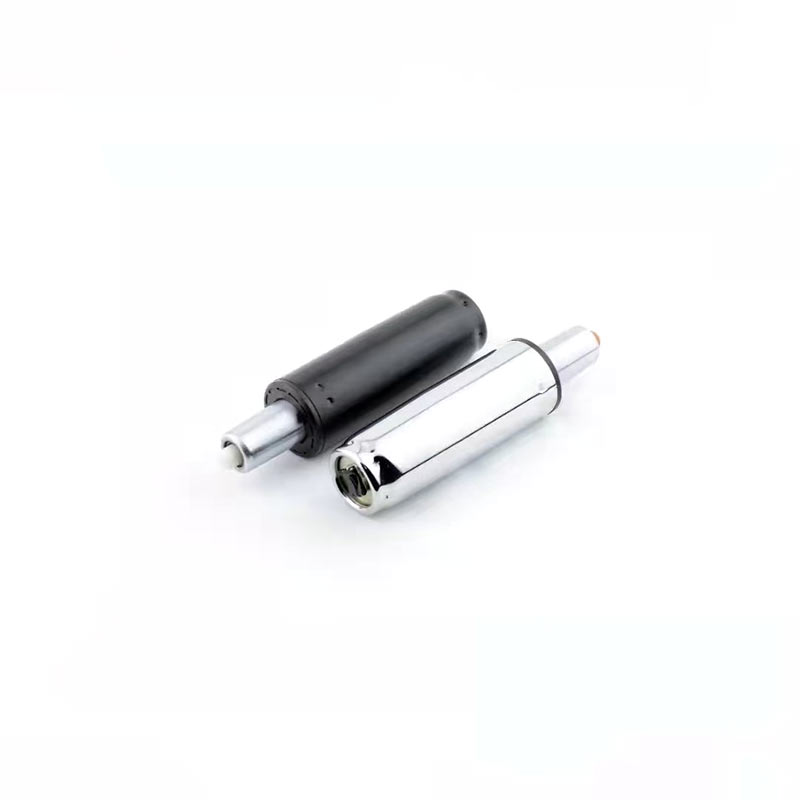
A chair that won't hold height or sinks slowly is the telltale sign of a depleted gas cylinder. Knowing how to replace worn out office chair gas lift cylinder is a valuable skill that extends the life of a quality chair. Common indicators include:
Replacement is typically a straightforward, tool-based task. Success depends on specification matching:
Reliable gas lifts are a critical component of chair safety and user satisfaction, an area where precision manufacturing, as practiced by Zhejiang Lubote Plastic Technology Co., Ltd., is essential for consistent performance.
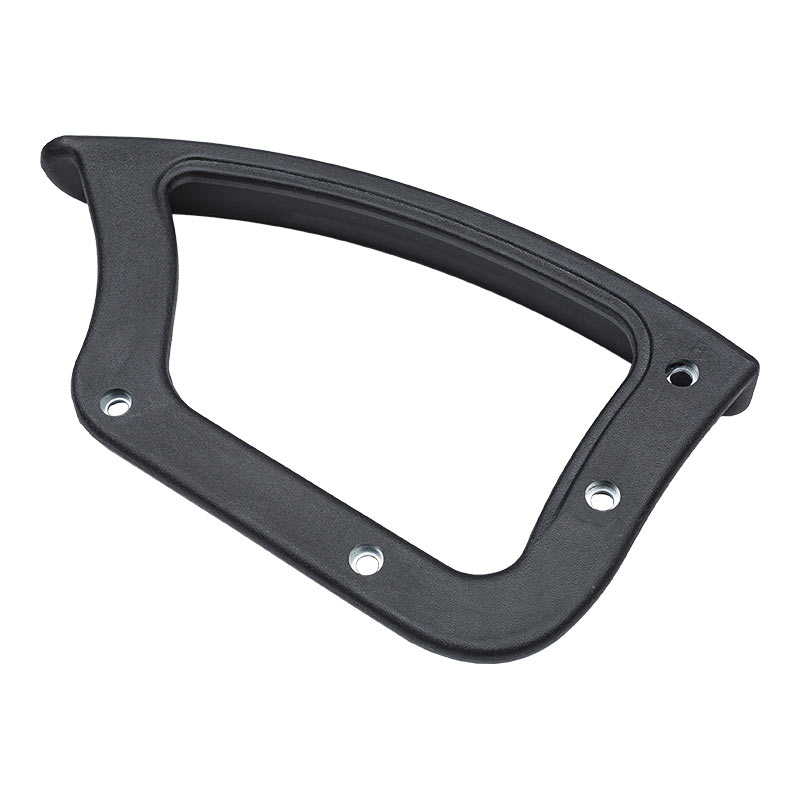
Unpadded armrests create pressure points that can lead to discomfort in the forearms, elbows, and ulnar nerve[3]. Investing in ergonomic chair armrest pads for all day comfort is a highly effective, low-cost ergonomic intervention. They add necessary cushioning and can improve the contact surface.
Effective pads address material comfort, secure fit, and hygiene. Consider these factors:
For OEM production, designing armrests with integrated, high-resilience foam from the outset provides a seamless, durable, and more hygienic comfort solution.
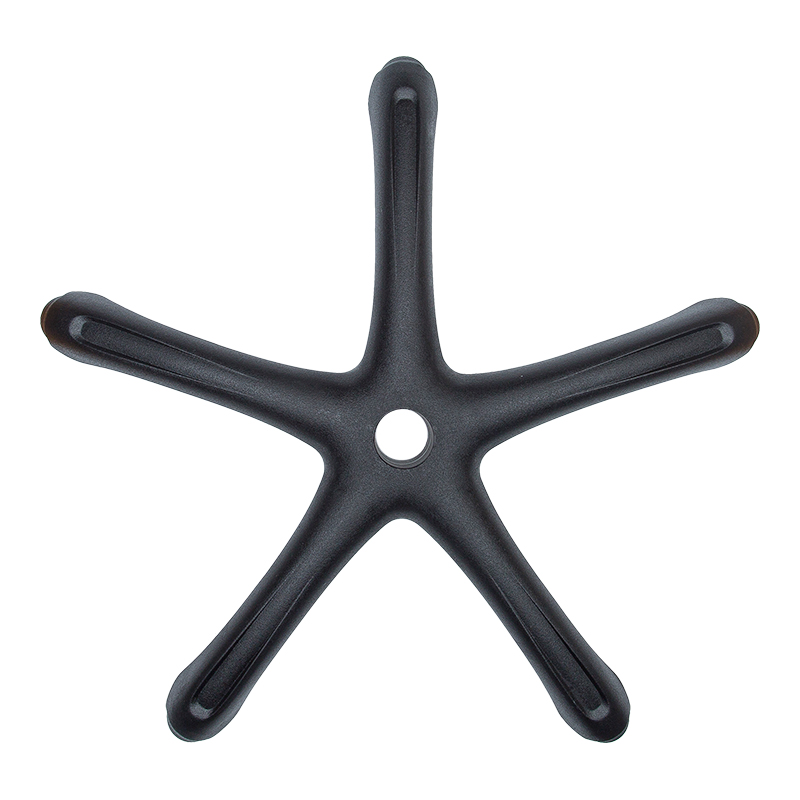
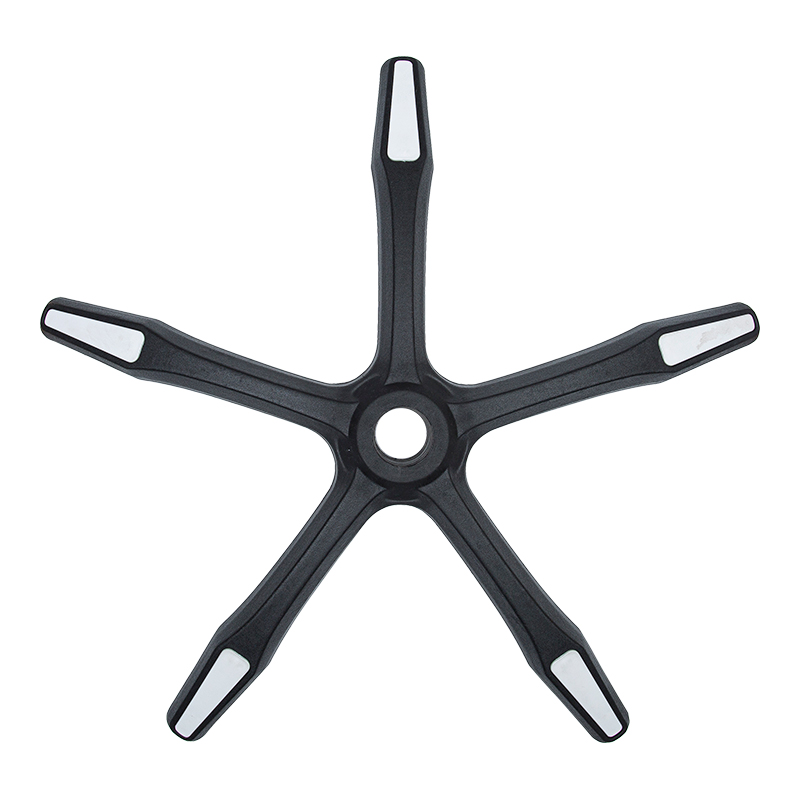
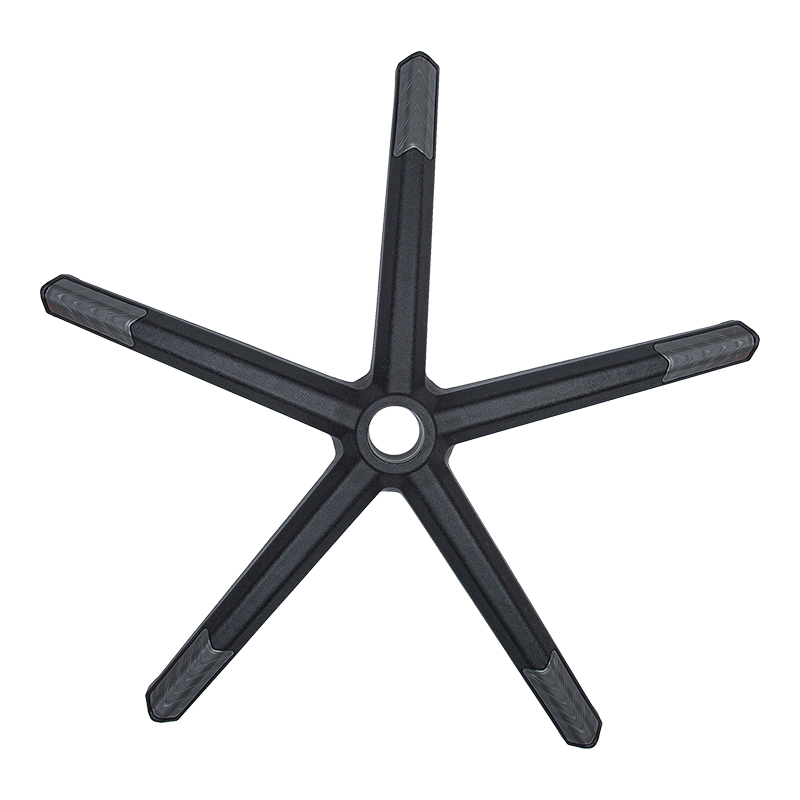
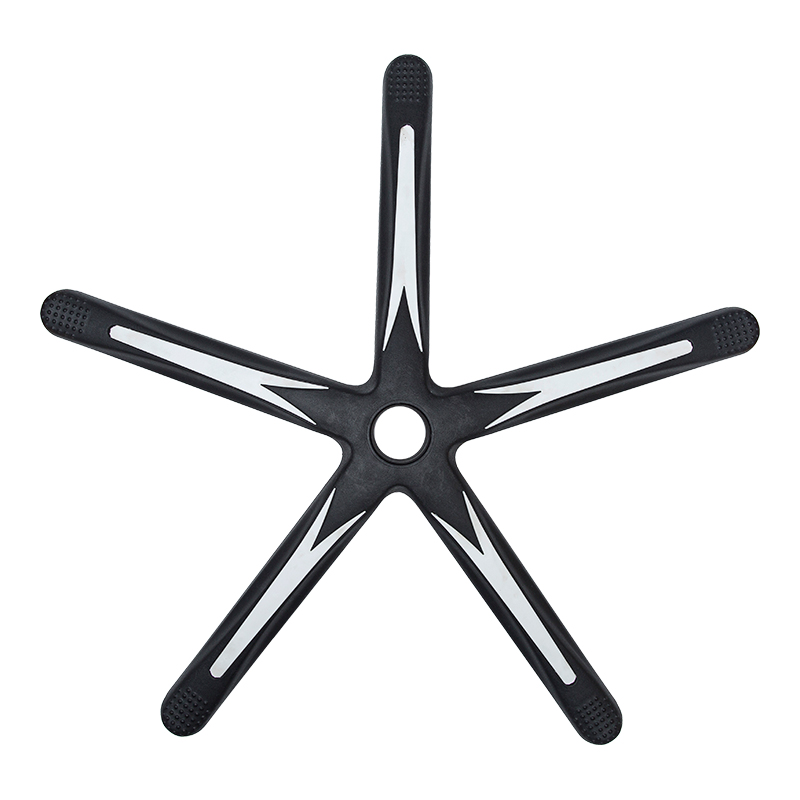
Cracks, excessive flex, or a persistent wobble are clear signs that a chair base is failing. Searching for a plastic chair base replacement for stability is a common and necessary step to restore safety and confidence in a chair. The base is the critical component that distributes the user's weight and supports all other parts.
The choice between a standard and a reinforced base has significant implications for safety and longevity. The table below outlines the key differences:
| Feature | Economy Plastic Base | Reinforced Nylon Base |
| Primary Material | Polypropylene (PP) or ABS | Glass-fiber reinforced nylon (PA+GF) |
| Structural Integrity | Adequate for light use; can fatigue and crack over time. | Exceptional impact and fatigue resistance; designed to withstand stress. |
| Weight Capacity | Typically rated for up to 250 lbs. | Often rated for 300 lbs or more, offering a higher safety margin. |
| Long-Term Value | A cost-effective fix for a lightly used chair. | An investment in maximum stability and durability, preventing future replacements. |
As a specialist in advanced plastic technology, Zhejiang Lubote Plastic Technology Co., Ltd. manufactures high-strength nylon bases designed for reliability. Utilizing a professional production team and a complete testing system, our bases are engineered to provide the foundational stability required for safe, long-term use in any seating application.
The performance, safety, and lifespan of chair accessories are directly determined by material choices and production quality.
Beyond material selection, manufacturing rigor defines component quality. A company equipped with modern management, advanced machinery, and a complete testing system—such as Zhejiang Lubote Plastic Technology Co., Ltd.—ensures:
If you experience stiffness or ache in your lower back after sitting for an hour or more, or if your chair's built-in lumbar support feels too high, low, or insufficiently firm, a separate lumbar pillow can help. It allows you to customize the support position and firmness to your spine's needs[1].
Most likely, yes. The critical factor is the stem type. Most office chairs use a standard "universal" 11mm diameter stem. Ensure the new heavy duty casters have a compatible stem (often listed as "11mm industry standard"). They are typically installed by firmly pulling the old caster out and pushing the new one in.
The process is generally simple and requires minimal tools (usually a rubber mallet and a pipe wrench). The challenge lies in removing the old cylinder, which can be stuck. However, many online tutorials guide you through the steps. Always ensure the replacement cylinder matches the size and weight rating of the original.
Absolutely. They reduce pressure on the ulnar nerve and soft tissues, preventing numbness and discomfort[3]. For users with non-adjustable or hard armrests, pads are an inexpensive way to significantly improve ergonomics and comfort during long work sessions.
Prioritize material strength and design. Look for bases made from reinforced nylon (PA+GF) rather than basic plastic. Check the weight rating to ensure it exceeds your needs. Also, confirm the number of spokes (5 is standard and offers good stability) and that the center hole mechanism is compatible with your chair's gas lift.
Investing in the right chair accessories—from targeted solutions like an office chair lumbar support pillow for lower back pain to foundational components like a robust plastic chair base replacement for stability—is an investment in comfort, health, and productivity. Understanding the specific role of each accessory, from heavy duty chair casters for carpet flooring to the mechanism of a replace worn out office chair gas lift cylinder, empowers you to customize and maintain your seating effectively. The importance of quality manufacturing cannot be overstated; it is the bedrock of safety and durability in every component. Companies like Zhejiang Lubote Plastic Technology Co., Ltd., with their focus on innovative plastic technology and comprehensive quality control, play a vital role in supplying the industry with the reliable parts that keep the world seated comfortably and securely.
[1] Occupational Safety and Health Administration (OSHA). (n.d.). Computer Workstations eTool. Retrieved from https://www.osha.gov/etools/computer-workstations
[2] Callaghan, J. P., & McGill, S. M. (2001). Low back joint loading and kinematics during standing and unsupported sitting. Ergonomics, 44(3), 280-294.
[3] Centers for Disease Control and Prevention (CDC). (2020). Workplace Health Promotion: Ergonomics. Retrieved from https://www.cdc.gov/workplacehealthpromotion/health-strategies/ergonomics/index.html
Recommended Products

Call Us
+86 0572-5911661

Need Support

Head Office
ADD:Baishuiwan Industrial Park, Anji County, Zhejiang Province
Copyright © 2025Zhejiang Lubote Plastic Technology Co. , Ltd.
All Rights Reserved.Custom Chair Replacement Accessories Factory

