

 En
En
 Español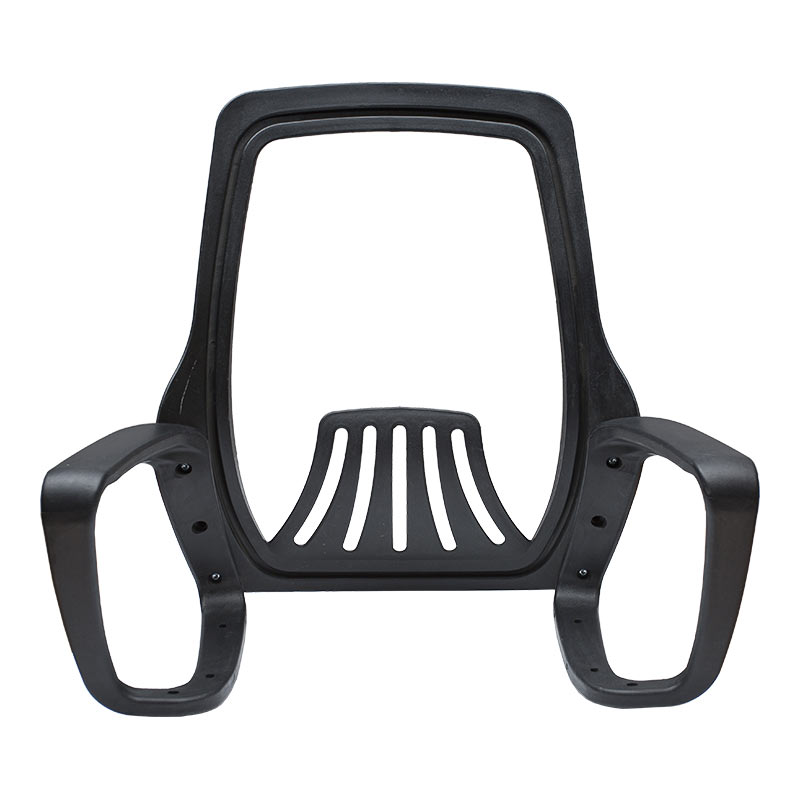
Call Us
+86 0572-5911661
 Home / News / Industry news / The Engineering Science Behind a High-Performance Plastic Ergonomic Backrest
2026-02-17
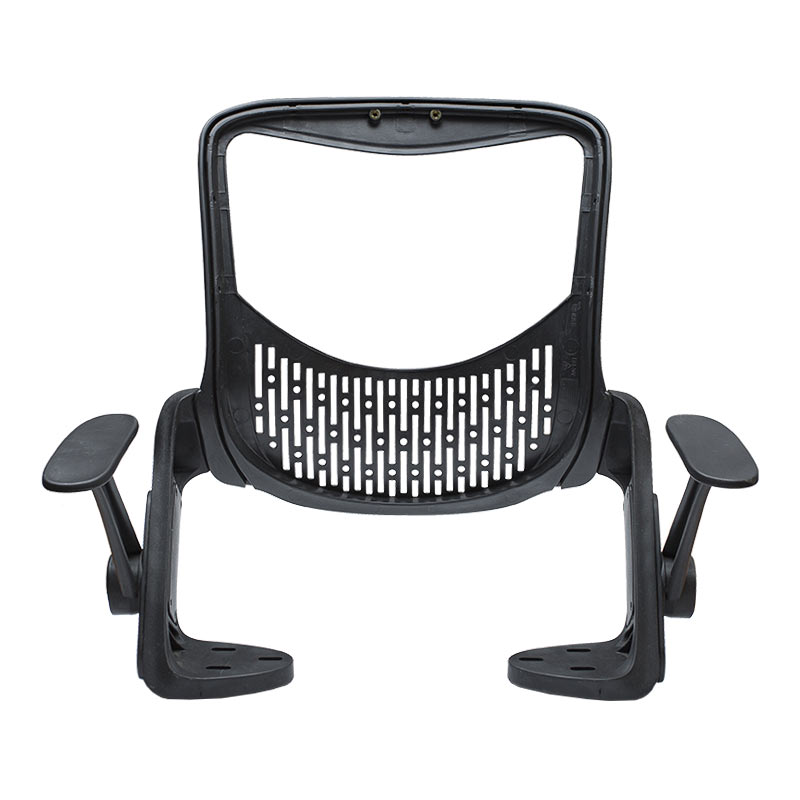
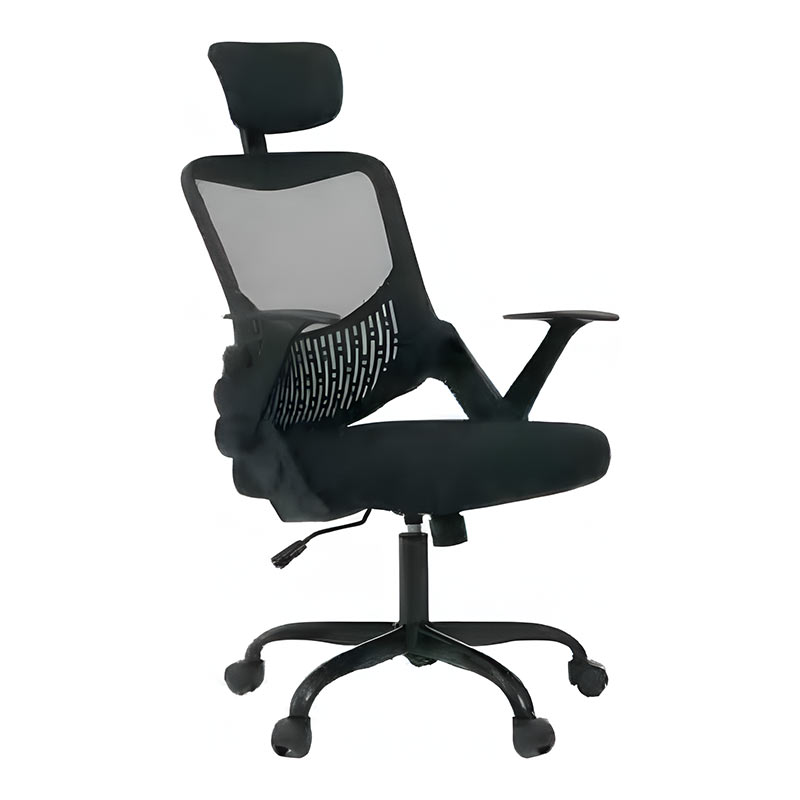
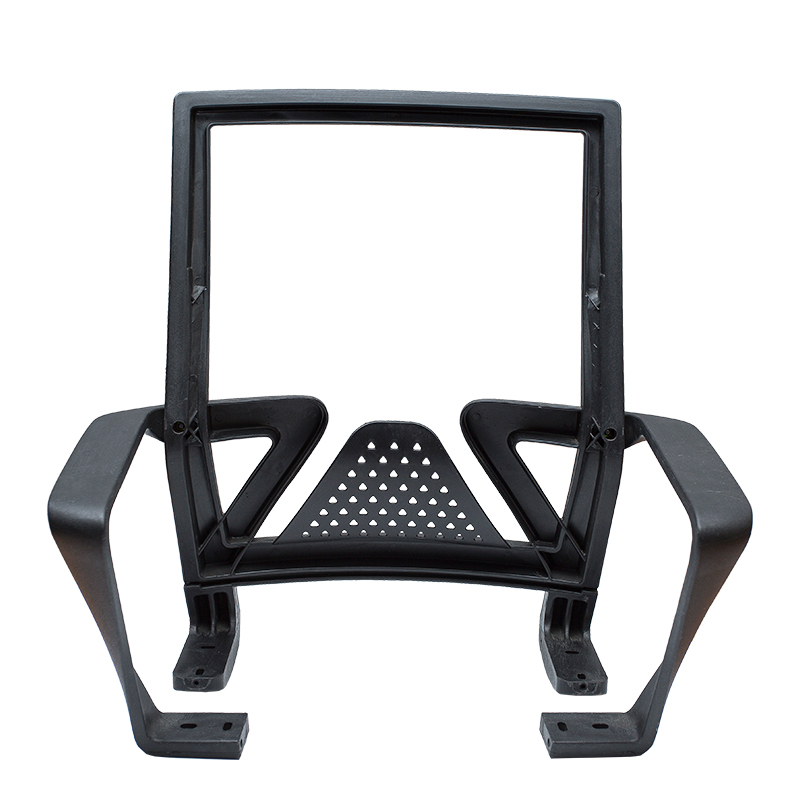
In the realm of industrial design and office furniture engineering, the Plastic Ergonomic Backrest serves as more than a simple support structure; it is a sophisticated load-bearing component designed to interface with the human musculoskeletal system. Achieving a balance between structural rigidity and dynamic flexibility requires deep knowledge of polymer science and biomechanics. For engineers and furniture manufacturers, selecting the right materials and design parameters is crucial for ensuring long-term durability and user health. This article delves into the technical specifications that define premium office chair backrest replacement parts and the mechanical principles that guide their development.
Content
The performance of a Plastic Ergonomic Backrest is fundamentally dictated by its base polymer. Polypropylene (PP) is widely used for its cost-effectiveness and chemical resistance, whereas Polyamide (Nylon), often glass-fiber reinforced, is preferred for high-end applications due to its superior tensile strength and creep resistance. When analyzing plastic vs mesh backrest for posture, the material of the frame must provide enough ""spring"" to accommodate micro-movements while maintaining the lumbar support for office chairs. While PP may exhibit ""stress whitening"" under extreme fatigue, high-grade Nylon maintains its molecular integrity over millions of flex cycles.
| Mechanical Property | Polypropylene (PP) | Nylon (PA6/PA66) + Glass Fiber |
| Tensile Strength | Moderate (approx. 30-40 MPa) | High (approx. 100-160 MPa) |
| Flexural Modulus | Lower (Higher flexibility) | Higher (Structural stiffness) |
| Crease/Fatigue Resistance | Standard | Superior (Ideal for long-term use) |
The primary function of a Plastic Ergonomic Backrest is to maintain the natural ""S-curve"" of the human spine, specifically the lordotic curve of the lumbar region. Engineers must calculate the exact radius of the lumbar prominence to prevent disc compression. Research into how to adjust ergonomic backrest height reveals that fixed-point supports are often insufficient; hence, modern backrests incorporate adjustable lumbar sliders or dynamic tension systems. By utilizing contoured plastic backrest benefits, designers can create a pressure distribution map that minimizes localized stress on the vertebrae, significantly reducing the risk of musculoskeletal disorders (MSDs).
Fixed lumbar supports offer a ""one-size-fits-most"" solution, whereas adjustable systems utilize mechanical tracks to align with individual spinal heights.
| System Type | Support Precision | Mechanical Complexity |
| Fixed Lumbar Support | General / Static | Low (Integrated Mold) |
| Adjustable Lumbar Support Design | High / Personalized | Medium (Sliding Tracks) |
| Dynamic Tension Backrest | Highest (Reactive) | High (Flexible Polymer Ribs) |
A significant challenge in breathable plastic backrest features is heat dissipation. Unlike fabric-only solutions, a solid Plastic Ergonomic Backrest can trap body heat, leading to discomfort. Engineers solve this through ""perforation engineering""—creating a calculated pattern of apertures that allow airflow without compromising the structural BIFMA (Business and Institutional Furniture Manufacturers Association) load-bearing standards. The best plastic backrest for back pain often features a hybrid design where a back frame supports a breathable elastomer or a perforated skin to optimize the microclimate between the user and the chair.
To ensure a Plastic Ergonomic Backrest can withstand 10+ years of daily use, it must undergo rigorous cycle testing. This includes back durability tests where a weight (typically 100 lbs) is applied to the backrest for 120,000 cycles. When comparing heavy duty plastic backrest durability, glass-filled polymers consistently outperform unfilled plastics in preventing cracks at the mounting points. Understanding why ergonomic backrests use recycled plastic is also an engineering trend; however, recycled content must be carefully blended with virgin resin to maintain the required impact resistance and prevent brittleness in office chair backrest replacement parts.
High-density polymers treated with UV stabilizers and impact modifiers show significantly less degradation compared to standard household-grade plastics.
| Test Parameter | Standard Grade Plastic | Reinforced Engineering Plastic |
| Static Load Capacity | Up to 150 lbs | 300 lbs + |
| Impact Energy Absorption | Low (Risk of shattering) | High (Energy dissipation) |
| UV Degradation Rate | Rapid (Yellowing/Brittle) | Slow (Stabilized) |
The development of a Plastic Ergonomic Backrest is a meticulous process that bridges the gap between material science and orthopedic health. By selecting high-performance Nylon or reinforced PP, and incorporating adjustable lumbar support design, manufacturers can produce seating solutions that enhance productivity and physical well-being. As we look toward the future, the use of generative design and 3D-printed lattices will likely further refine the contoured plastic backrest benefits, offering unprecedented levels of personalized support.
Plastic backrests generally offer more rigid, definitive support for the spine's natural curve, whereas mesh backrests offer better pressure distribution and breathability. For individuals requiring firm orthopedic alignment, a contoured plastic backrest is often superior.
The backrest should be positioned so that the lumbar curve of the Plastic Ergonomic Backrest fits into the small of your back. This usually requires sliding the backrest or lumbar support up or down until the curve aligns with the area just above your belt line.
No. While many heavy duty plastic backrest durability standards follow BIFMA guidelines, the mounting holes and ""J-bar"" connections are often proprietary to specific manufacturers. Always check technical drawings before purchasing replacement frames.
Sustainability is a major driver in furniture engineering. High-quality recycled polymers, when properly compounded, can match the mechanical properties of virgin resins, reducing the carbon footprint of the Plastic Ergonomic Backrest without sacrificing safety.
The best designs incorporate a flexible upper back for recline and a rigid lower section for constant lumbar contact. This ""dual-zone"" engineering ensures that the user is supported regardless of their seating posture.
Recommended Products

Call Us
+86 0572-5911661

Need Support

Head Office
ADD:Baishuiwan Industrial Park, Anji County, Zhejiang Province
Copyright © 2025Zhejiang Lubote Plastic Technology Co. , Ltd.
All Rights Reserved.Custom Chair Replacement Accessories Factory

