

 En
En
 Español
Call Us
+86 0572-5911661

2026-05-25
Content
A chair does far more than provide a place to sit. It supports the body's posture, distributes weight evenly across the skeletal structure, and reduces fatigue during prolonged use. For office workers who spend six to ten hours a day seated, the engineering behind each component directly affects spinal health, circulation, and productivity. Understanding what each part of an office chair does helps you choose the right model, identify worn components, and make informed replacements — saving both money and discomfort in the long run.
Research from the American Journal of Industrial Medicine consistently links poor seating design to musculoskeletal disorders, particularly lower back pain. The chair's individual parts work as a system — when one component fails or is poorly adjusted, the others compensate incorrectly, creating cascading strain on the body.
Every office chair, from budget task chairs to executive ergonomic models, shares a common set of structural components. Below is a breakdown of the main parts, organized from top to bottom, as they would appear on a standard office chair parts diagram.
| Part Name | Location | Primary Function |
|---|---|---|
| Headrest | Top | Supports the cervical spine and neck |
| Backrest | Upper body | Supports thoracic and lumbar spine |
| Lumbar Support | Lower backrest | Maintains natural inward curve of the lower back |
| Armrests | Sides | Reduces shoulder and neck strain |
| Seat Cushion | Middle | Distributes weight and reduces pressure points |
| Seat Pan | Under cushion | Structural base supporting the cushion and body weight |
| Gas Cylinder / Pneumatic Lift | Center column | Adjusts seat height using compressed gas |
| Tilt Mechanism / Chair Mechanism | Under seat | Controls recline and seat angle |
| Chair Base / Star Base | Bottom | Provides stability via 5-point radial structure |
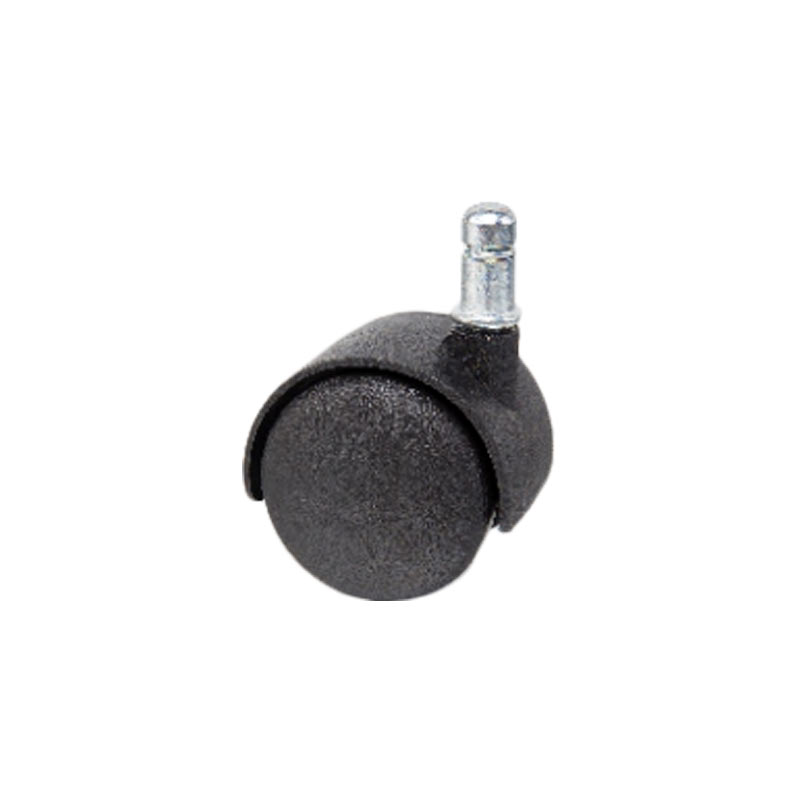
| Casters / Wheels | Base tips | Enable smooth mobility across floor surfaces |
Found primarily on high-back executive and ergonomic chairs, the headrest cradles the base of the skull and upper cervical vertebrae. Adjustable headrests are particularly valuable for users who recline frequently, as they prevent the neck from hanging unsupported. Some designs pivot forward and backward independently from the backrest.
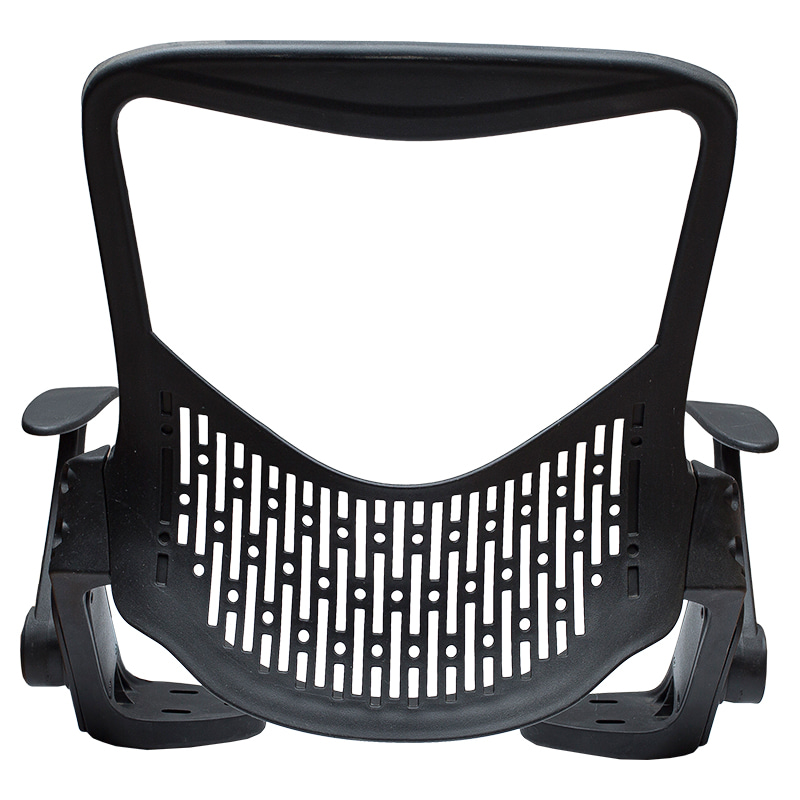
The backrest spans from the lumbar region up to the thoracic spine, and sometimes the cervical spine on taller models. Within the backrest, the lumbar support is the most ergonomically critical component. The human spine has a natural S-curve, and the lumbar region curves inward (lordosis). Without dedicated support, prolonged sitting flattens this curve, leading to disc compression. Adjustable lumbar supports allow users to position the firmest point of contact precisely at the L3–L5 vertebral level, where most lower back pain originates.
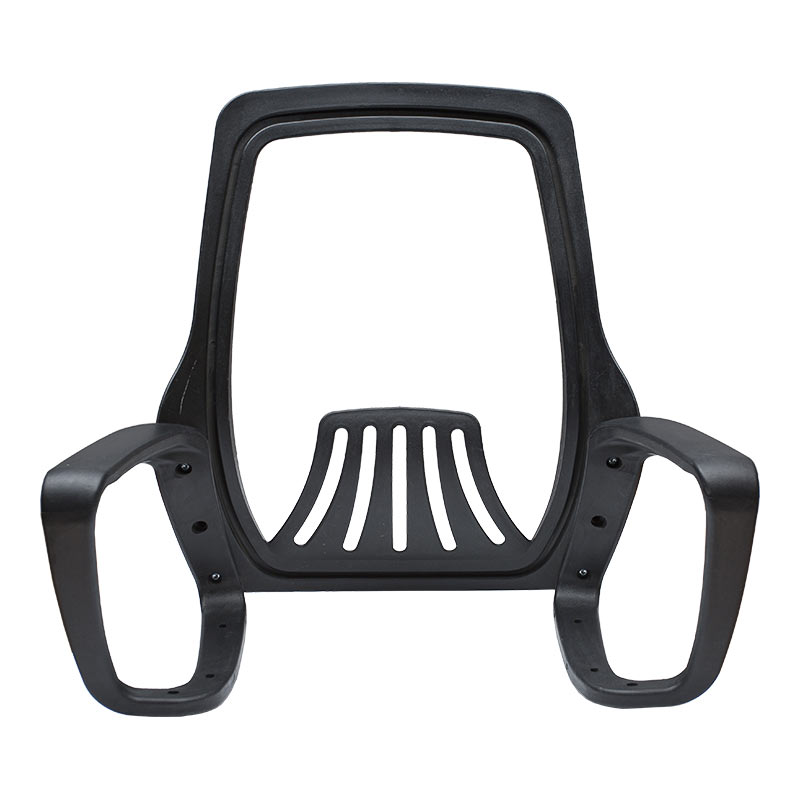
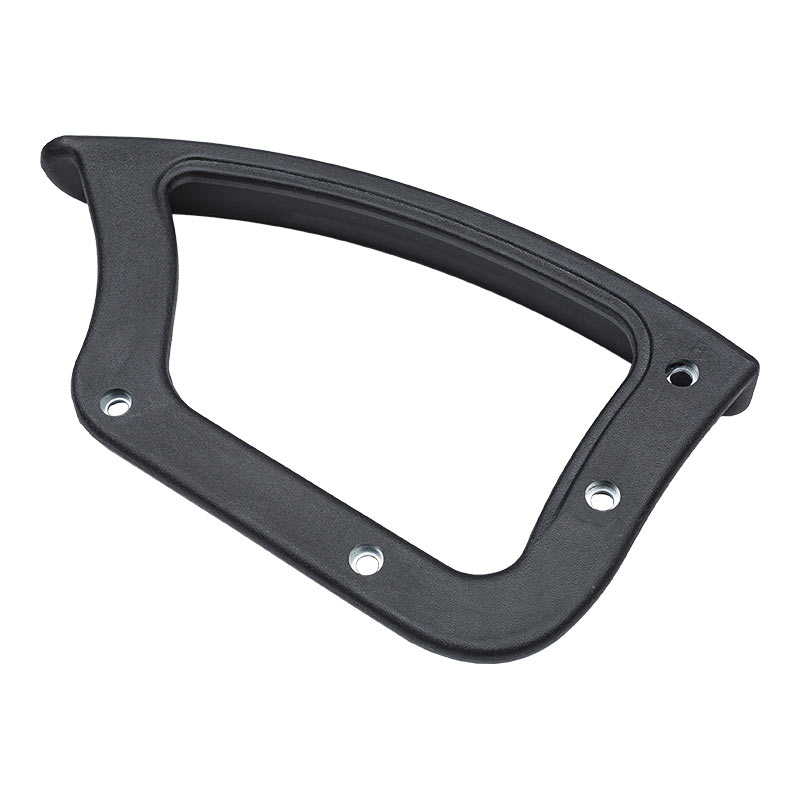
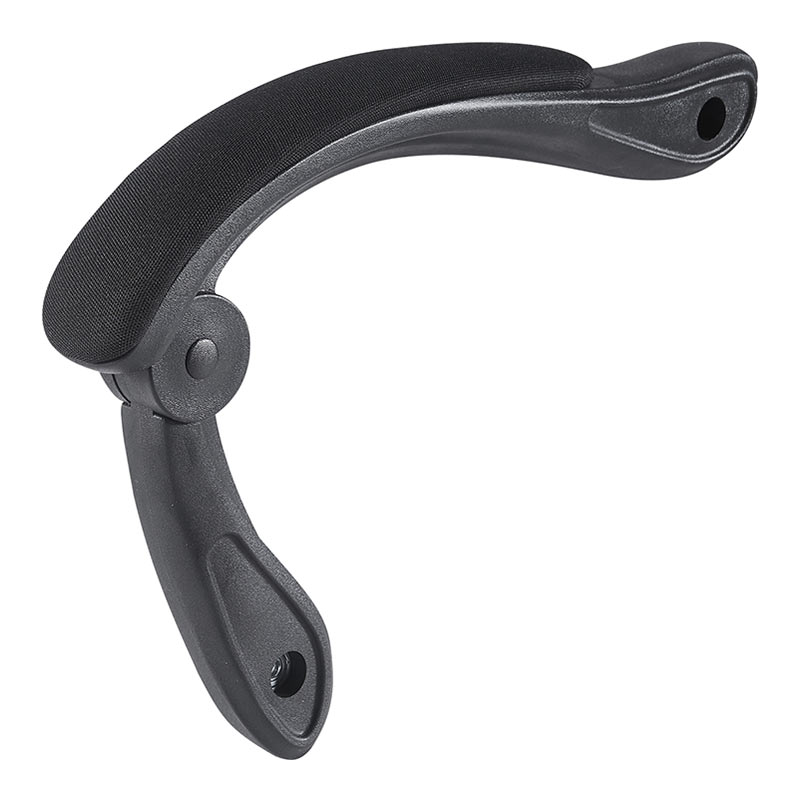
Armrests offload weight from the shoulder girdle and reduce trapezius muscle tension. Premium chairs feature 4D armrests — adjustable in height, width, depth, and pivot angle. Fixed-height armrests are a common source of discomfort when they don't match the user's elbow height, either forcing the shoulders upward or leaving the arms unsupported entirely.
The seat cushion determines comfort over long sessions. High-density foam retains shape over years of use, while memory foam conforms to body contours but can retain heat. Mesh seat cushions offer breathability at the cost of some padding. Beneath the cushion, the seat pan — typically made of molded plastic or aluminum — forms the rigid structural platform. Waterfall-edge seat pans angle downward at the front edge, reducing pressure on the backs of the thighs and improving circulation to the lower legs.
The gas cylinder is the telescoping column connecting the seat to the base. It contains compressed nitrogen gas, which holds the seat at the selected height when the lever is released. Standard cylinders support weights of up to 250–300 lbs, though heavy-duty variants rated at 500 lbs or more are available for commercial and industrial use. A failing cylinder — one that slowly sinks under body weight — is one of the most common and straightforward office chair repairs, as cylinders are universally sized and inexpensive to replace.
Housed in the metal plate assembly directly beneath the seat, the tilt mechanism controls how and whether the chair reclines. Common variants include:
Tilt tension knobs, usually located beneath the front of the seat, adjust how much resistance the mechanism offers during recline — heavier users typically need higher tension settings.
The five-arm star base is the industry standard for stability — four legs were found unstable, while six adds unnecessary material cost. Bases are most commonly made from nylon, aluminum, or steel. Aluminum and steel bases offer significantly higher load ratings and durability, making them the preferred choice for commercial environments. Casters, or wheels, attach to the tips of each arm and come in two main variants: hard casters for carpeted floors and soft-rubber casters for hardwood or tile. Using the wrong type accelerates floor surface damage and reduces smooth mobility.
Most chair failures are part-specific and do not require full chair replacement. Knowing the correct part names makes sourcing replacements significantly easier. Here are the most common failure modes and the corresponding chair part names to look for:
When ordering replacement parts, note that gas cylinders are largely standardized at 2-inch outer diameter across most brands, while tilt mechanisms are more brand-specific and require model number verification before purchasing.
Not all chairs include every component listed above, and the quality of individual parts varies enormously across price points. When evaluating an office chair, prioritize these components in the following order based on ergonomic impact:
Budget chairs often compromise on the tilt mechanism, armrest adjustability, and base material while maintaining adequate seat cushions. Mid-range ergonomic chairs typically improve lumbar systems and armrests. Premium models invest most heavily in the synergy between the backrest, lumbar, and tilt mechanism — the parts that have the greatest direct impact on spinal health over a full workday.
Recommended Products

Call Us
+86 0572-5911661

Need Support

Head Office
ADD:Baishuiwan Industrial Park, Anji County, Zhejiang Province
Copyright © 2025Zhejiang Lubote Plastic Technology Co. , Ltd.
All Rights Reserved.Custom Chair Replacement Accessories Factory

