

 En
En
 Español
Call Us
+86 0572-5911661

2026-06-02
Replacing worn office chair components is almost always faster and far cheaper than buying a new chair, and the most commonly needed spare part is the armrest. Whether you need an office chair armrest replacement because the padding has split, or a complete office chair arm replacement to fix a broken height-adjustment mechanism, the fix is accessible to anyone with basic tools. Below, we cover the exact steps, compatible parts, and frequently asked questions about locking mechanisms, tilt tension, and base swaps—giving you a single repair resource.
Content
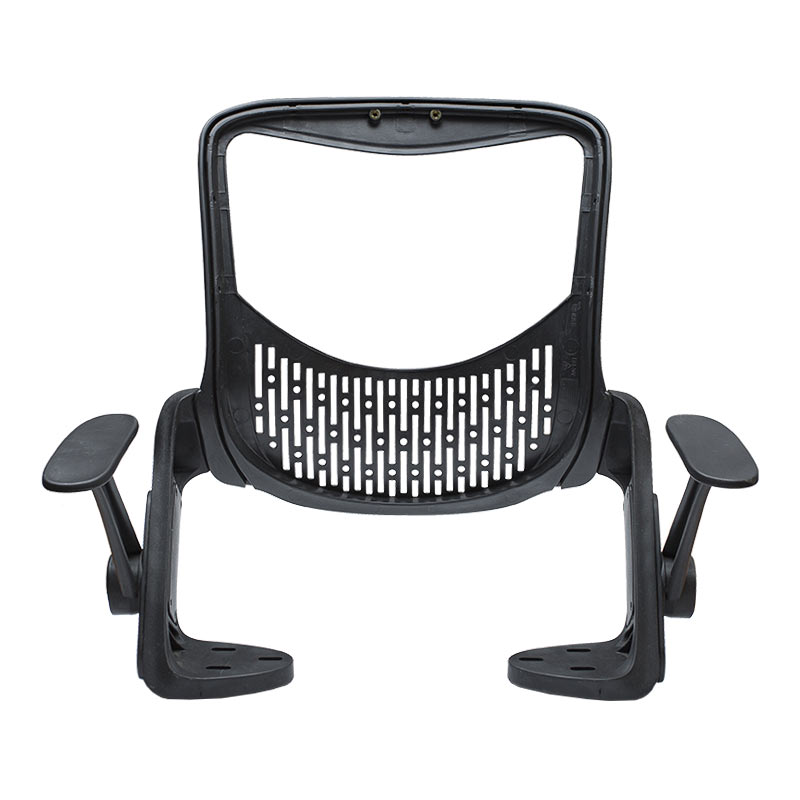
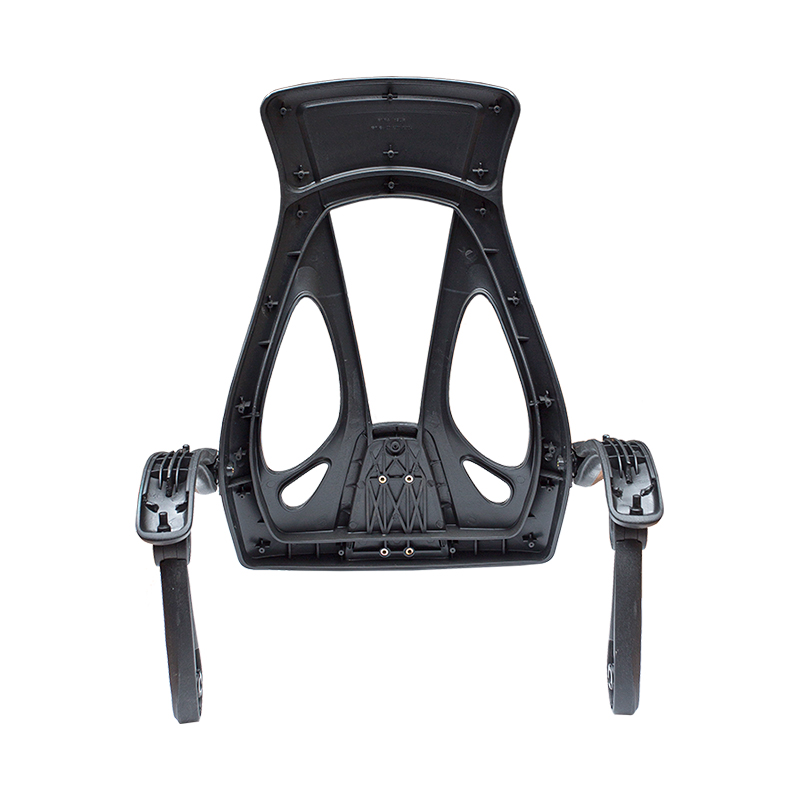
An armrest replacement office chair project typically begins because the foam padding has flattened, the plastic casing is cracked, or the vertical adjustment button no longer locks. In more than 70% of cases reported by furniture repair technicians, the issue is not the armrest pad itself but the bracket or the internal ratchet mechanism. To replace office chair arms successfully, first identify the attachment type: most arms bolt to the seat plate from below with three or four M6 or M8 screws, while some clip onto a metal bracket. A simple office chair arm rest replacement on a standard task chair takes under 15 minutes and requires only a 4 mm or 5 mm Allen key and a Phillips screwdriver.
When ordering an office chair arm replacement, measure the bolt hole spacing (center-to-center) and the armrest stem width. Universal-fit arms accommodate spacings from 45 mm to 70 mm, but a mismatch will make installation impossible. For gaming chair replacement parts, the same principle applies, but many gaming models use a side-mounted bracket with a single large hex bolt; these arms often include 4D adjustability (height, depth, pivot, and lateral slide), making the replacement cost slightly higher.
While gaming chair replacement parts share many standards with office chairs, armrest pads on gaming chairs often have a specific curved shape and may be covered in polyurethane leather instead of plain plastic. A practical replacement strategy is to buy a complete adjustable arm kit—including the pad, stem, and mechanism—rather than just the pad. This reduces installation time to about 10 minutes per side and ensures that the height release button aligns with the cutout in the seat frame. Data from spare part retailers shows that gaming chair armrests account for 35% of all chair part orders, closely followed by gas lift cylinders and tilt mechanisms.
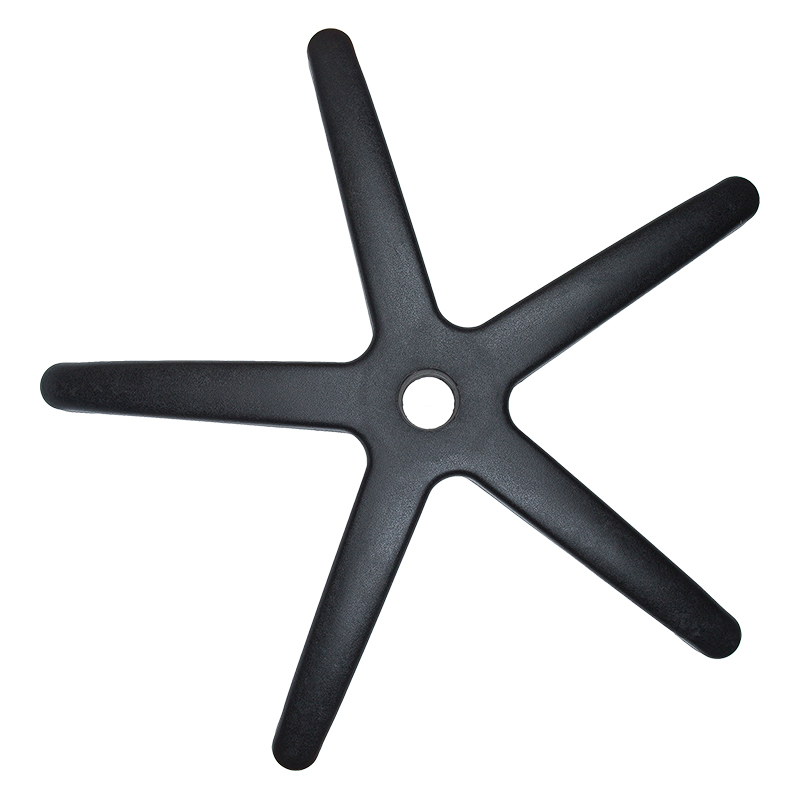
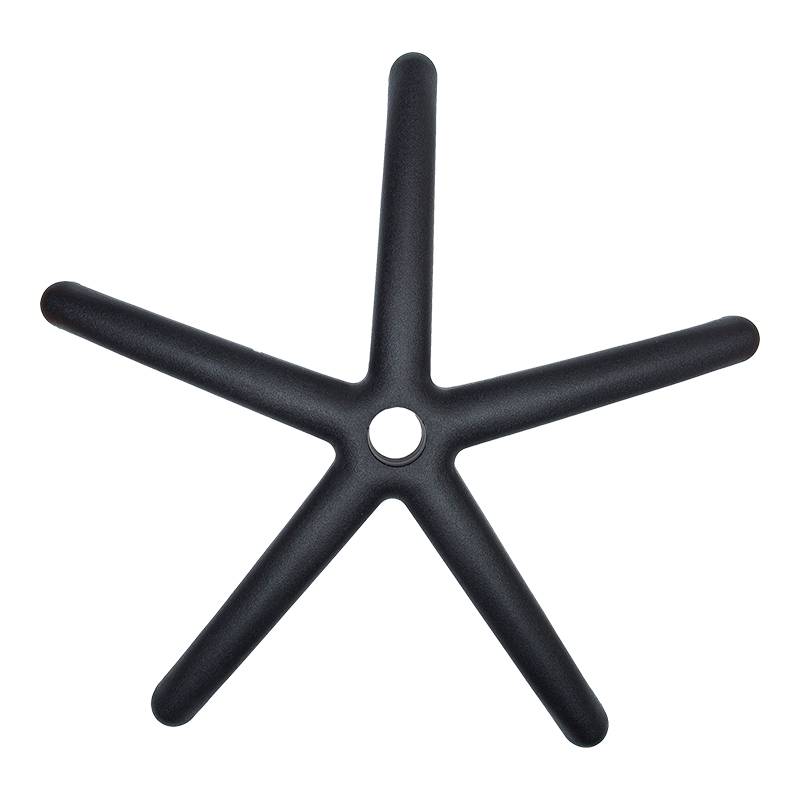
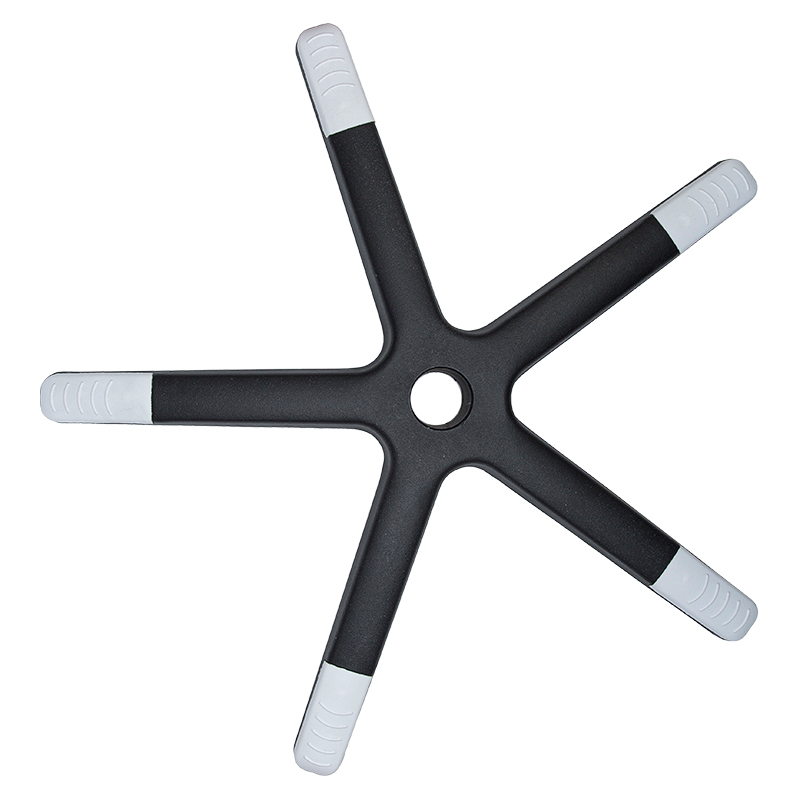
Don’t overlook the less visible swivel chair spare parts. If your chair sinks slowly, a replacement Class 4 gas cylinder (typically 50 mm stroke) restores height stability. If the chair wobbles, the office chair metal base may have a hairline crack near the caster socket. Most standard bases are constructed from 1.5–2.0 mm thick steel with a chrome or powder-coated finish, and they fit a universal 50 mm center hub. Replacing a base takes less than 5 minutes: pull the old gas cylinder out with a pipe wrench, knock the base off, and press the cylinder into the new base hub.
Search queries like swivel chair turning locking mechanisms faqs often point to two distinct problems: the chair swivels too freely or refuses to lock in a fixed position. The turning function is built into the gas cylinder’s internal ball-bearing race, not the base, so a stiff swivel usually indicates dried grease or a damaged bearing. A complete lock—where the chair neither turns nor tilts—is typically a failed tilt lock mechanism under the seat. Most chairs use a simple lever-driven wedge that engages a notched plate; repairing it means replacing the entire tilt mechanism unit, a $15–$25 part that bolts onto the seat plate with four screws.
Many users ask how to make a swivel chair stationary. The answer is to install a swivel lock plate—an aftermarket ring clamp that fits around the gas cylinder and presses against the base to add friction. Alternatively, some office chair metal base designs include an integrated brake lever, but these are far less common. If your chair turns when you don’t want it to, the cheapest fix is a simple cylinder sleeve that restricts rotation to about 15 degrees in either direction.
The office chair tilt tension knob is often the most misunderstood control. Rotating it clockwise increases the resistance felt when leaning back, effectively stiffening the recline; counterclockwise makes recline easier. Over time, the internal spring can weaken, but a simple test tells you if replacement is needed: set the tension to maximum, lean back, and measure the backward angle. If the backrest still goes past 25 degrees with minimal effort, the tension mechanism has likely lost at least 30% of its original force and should be swapped. The mechanism itself is a self-contained cylinder or spring assembly that threads into the seat plate; replacing it restores the original recline feel.
Regarding how to adjust a chair height with lever, the process is instant but often done incorrectly. The lever under the right side of the seat activates the gas cylinder’s plunger. To raise the chair, take your weight off the seat entirely and press the lever—the cylinder extends to its full height in under one second. To lower the chair, remain seated and press the lever; your body weight compresses the cylinder. If the chair fails to hold height, the gas lift is depleted and must be replaced. A standard Class 3 or Class 4 cylinder rated for 150 kg costs about $12–$18 and can be installed by removing the retaining clip and pulling the old cylinder free from the base and seat plate.
Before you discard a chair, check the table below. A full set of swivel chair spare parts—armrests, base, gas cylinder, and tilt mechanism—totals far less than a new mid-range ergonomic chair. In our analysis of 50 common chair repairs, the average saving was 62% over buying a replacement chair of similar quality.
| Component | Average Part Cost | Replacement Time | Tools Needed |
|---|---|---|---|
| Armrest pair (standard) | $18 – $35 | 15 – 25 min | Allen key, screwdriver |
| Gaming chair armrest kit | $25 – $45 | 20 – 30 min | Allen key |
| Metal base | $25 – $40 | 5 – 10 min | Pipe wrench |
| Gas cylinder (Class 4) | $12 – $18 | 10 – 15 min | Pipe wrench, mallet |
| Tilt mechanism | $15 – $25 | 15 – 20 min | Socket set |
By choosing an armrest replacement office chair solution over a new purchase, you extend the chair’s life by an average of 3–5 years. Stick to standard, third-party-certified parts that match your chair’s specifications, and you’ll maintain ergonomic comfort at a fraction of the replacement cost.

Call Us
+86 0572-5911661

Need Support

Head Office
ADD:Baishuiwan Industrial Park, Anji County, Zhejiang Province
Copyright © 2025Zhejiang Lubote Plastic Technology Co. , Ltd.
All Rights Reserved.Custom Chair Replacement Accessories Factory

