

 En
En
 Español
Call Us
+86 0572-5911661

2026-04-13
Content
Before attempting any disassembly, it helps to understand how an office chair is constructed. Most task and executive chairs share the same underlying architecture, regardless of brand or price point. The main structural components below the seat are:
Understanding which part connects where prevents damage during removal. The gas cylinder sits in a tapered friction fit — no bolts or threads hold it in place — which is why separating it from the base requires the right technique rather than brute force alone.
Caster removal is the most common office chair repair task — wheels wear out, crack, or leave marks on flooring long before the rest of the chair does. The process is straightforward once you know which type of stem your casters use.
Over 95% of office chairs use grip ring (friction fit) stem casters. To remove them:
A penetrating lubricant such as WD-40 sprayed at the stem junction and left for five minutes significantly eases removal of casters that have been in place for several years.
Less common but found on some European and heavy-duty chairs, threaded stem casters are removed by unscrewing counterclockwise. A pair of pliers gripping the wheel hub (with a cloth to protect the finish) provides enough torque. If the thread is seized, penetrating oil applied the night before makes a significant difference.
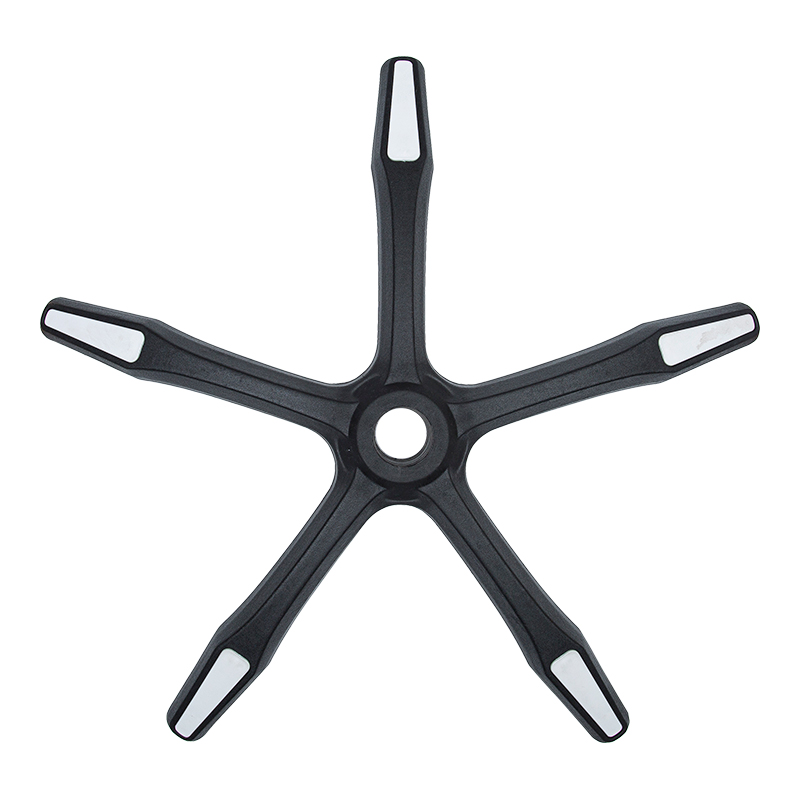
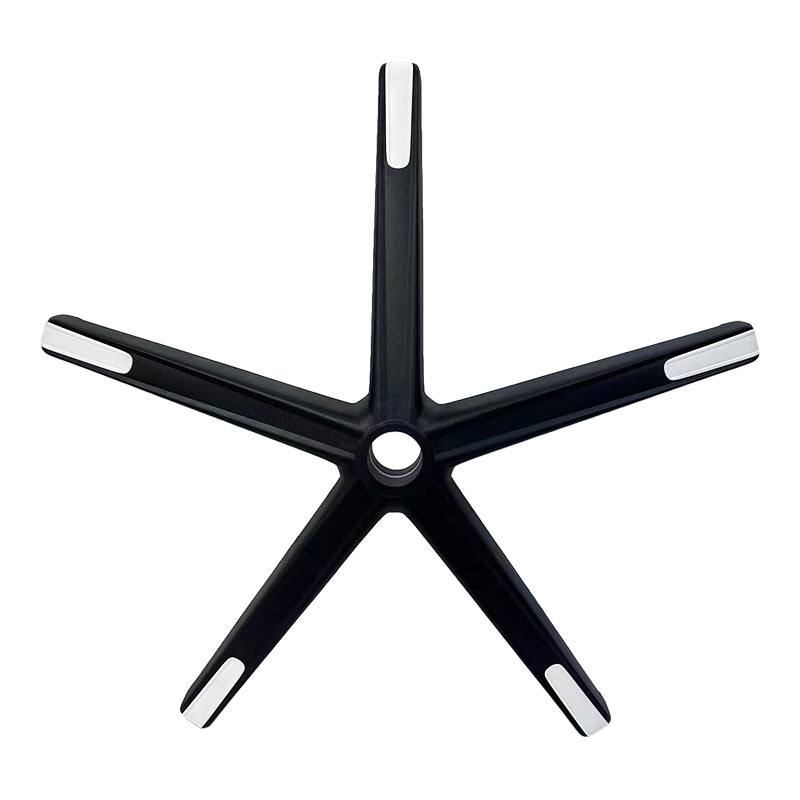
Removing the star base requires separating it from the gas cylinder — a tapered interference fit designed to hold under load but release under the right conditions. This is the step most people struggle with, because the fit tightens over time under the weight of daily use.
For aluminum or steel bases that are severely seized, heating the hub briefly with a heat gun (not an open flame) causes the metal to expand slightly, breaking the grip. This works particularly well after lubricant has been applied.
Replacing office chair casters is one of the most cost-effective upgrades you can make — new casters restore smooth rolling, protect flooring, and extend the chair's usable life by years. The replacement process takes under ten minutes once you have the correct parts.
Before purchasing, confirm your stem type and size. Measure the stem diameter and length on your old caster — the standard for most office chairs is a 7/16 inch (11 mm) diameter grip ring stem, 7/8 inch (22 mm) in length. Beyond sizing, consider:
| Caster Type | Best For | Load Rating (typical) |
|---|---|---|
| Standard nylon twin-wheel | Carpeted floors | Up to 250 lbs per set |
| Polyurethane (PU) soft-roll | Hardwood, tile, vinyl | Up to 300 lbs per set |
| Rubber-coated rollerblade style | Mixed flooring, quiet rolling | Up to 350 lbs per set |
| Locking caster | Standing desks, anti-roll use | Varies by model |
A very light application of silicone grease on the stem before insertion makes future removal easier — particularly useful if you anticipate changing casters again when moving between office locations or flooring types.
Most office chair components are available as standalone replacement parts, making full chair replacement unnecessary in the majority of cases. The table below outlines the most commonly sourced parts, their typical cost, and the difficulty of self-replacement:
When sourcing parts, check whether the chair manufacturer sells direct replacements — brands like Herman Miller, Steelcase, and Humanscale maintain spare parts programs. For no-name or budget chairs, universal parts work reliably for bases, cylinders, and casters since these components follow industry-standard dimensions across virtually all manufacturers.
Recommended Products

Call Us
+86 0572-5911661

Need Support

Head Office
ADD:Baishuiwan Industrial Park, Anji County, Zhejiang Province
Copyright © 2025Zhejiang Lubote Plastic Technology Co. , Ltd.
All Rights Reserved.Custom Chair Replacement Accessories Factory

