

 En
En
 Español
Call Us
+86 0572-5911661

2026-04-08
Content
A standard chair consists of five fundamental parts: the base, seat, backrest, armrests, and support mechanism. Whether you are examining an office chair, gaming chair, or traditional swivel chair, these core components form the foundation of seating design. Understanding these chair parts names helps you make informed purchasing decisions, perform maintenance, and troubleshoot issues effectively.
Modern chairs contain between 15 to 25 distinct components depending on complexity. High-end ergonomic office chairs and premium gaming chairs often feature additional adjustable elements that enhance user comfort and support during extended sitting sessions.
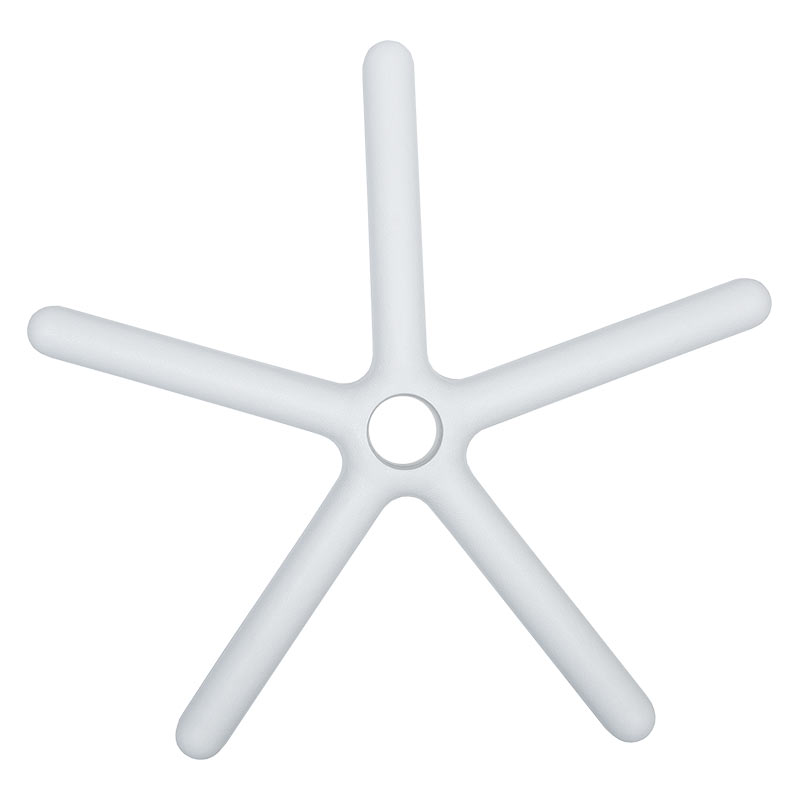
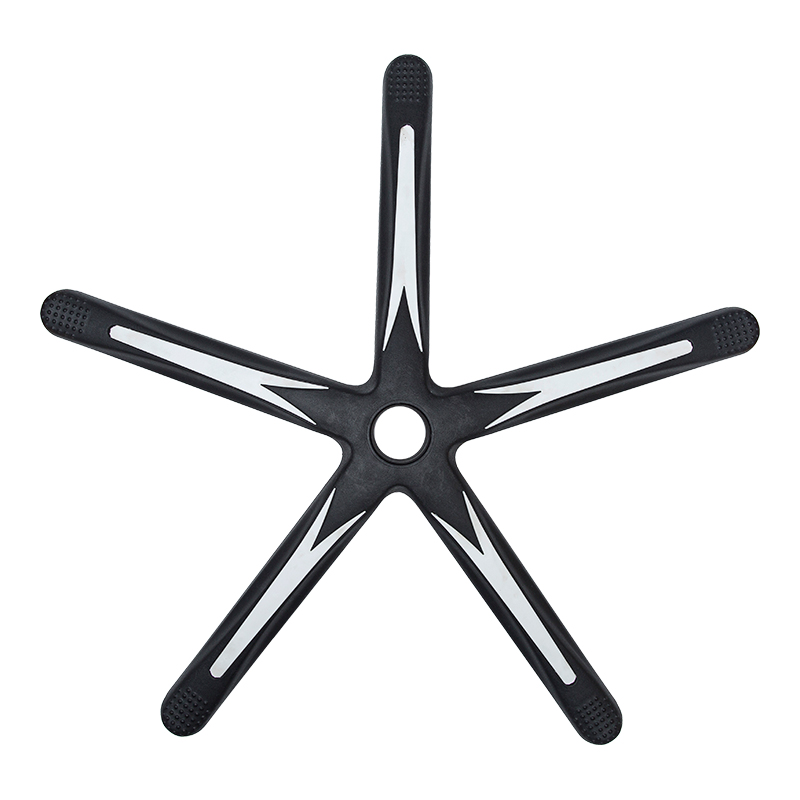
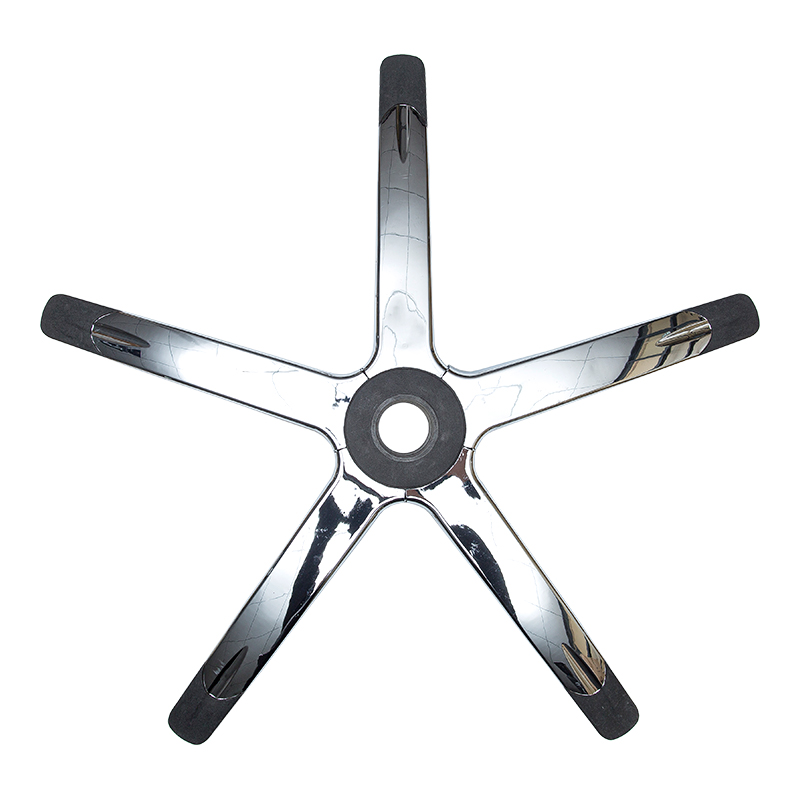
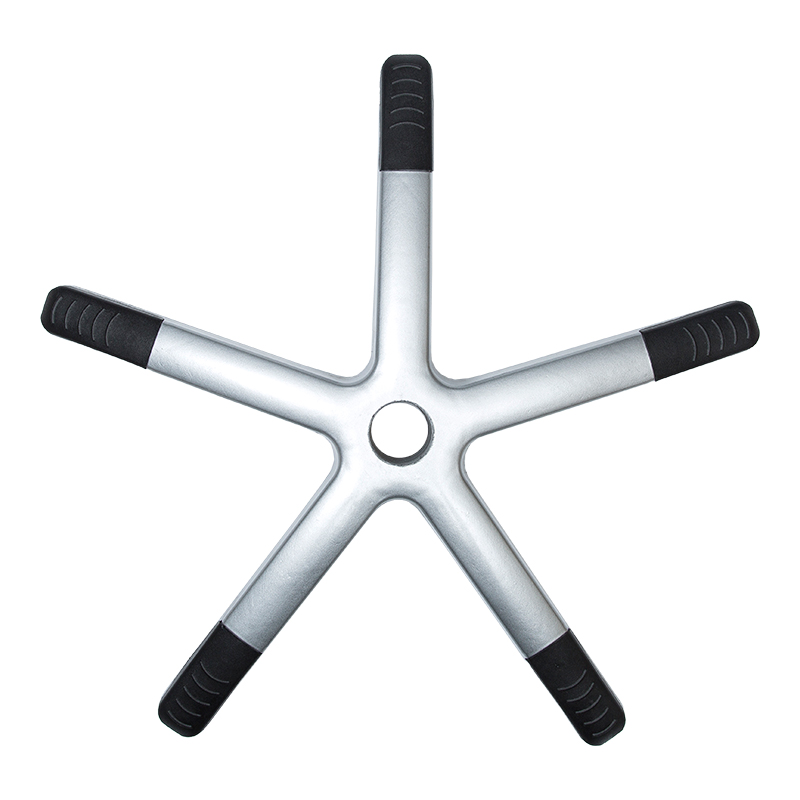
The base serves as the foundation of any swivel chair. Most office and gaming chairs utilize a five-star base design, which provides optimal stability and weight distribution. This configuration reduces the risk of tipping by 40% compared to four-legged alternatives according to ergonomic safety studies.
Base materials vary significantly by chair category:
Casters, often called wheels or rollers, attach to the base tips and enable movement. Standard office chair casters measure 50mm to 65mm in diameter. Hard floor casters feature softer polyurethane treads to prevent scratching, while carpet casters use harder nylon materials for easier rolling on textured surfaces.
The gas lift cylinder, or pneumatic cylinder, controls vertical adjustment. This component contains compressed nitrogen gas and allows 3 to 5 inches of height variation. Quality cylinders are classified by explosion safety standards, with Class 4 cylinders offering the highest durability for gaming chairs and heavy-use office environments.
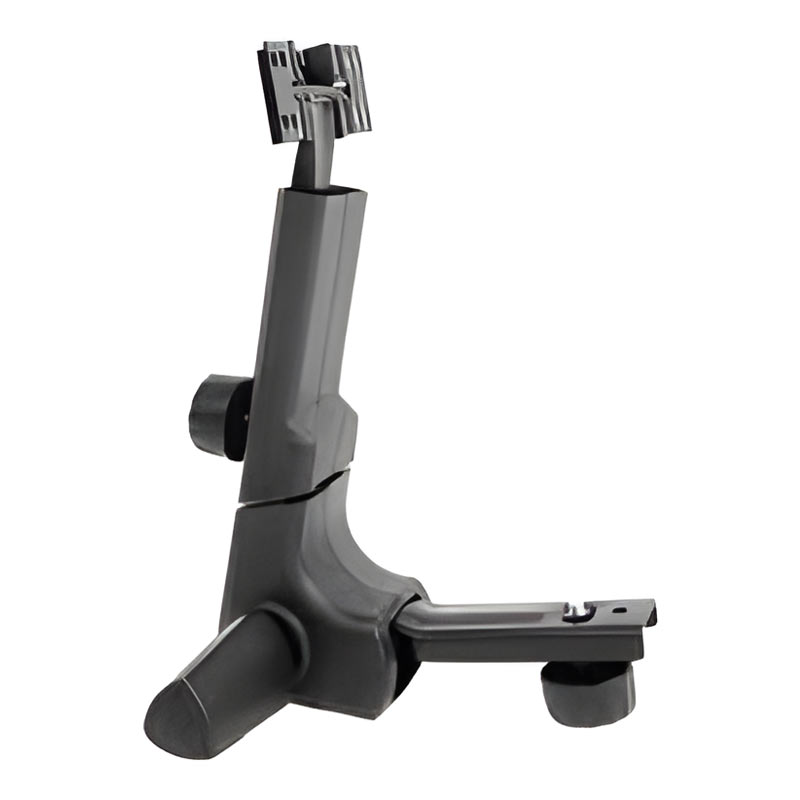
The tilt mechanism connects the seat to the gas cylinder and controls rocking motion. Key subcomponents include:
Gaming chairs frequently feature multi-tilt mechanisms allowing recline angles up to 180 degrees, while ergonomic office chairs typically limit recline to 135 degrees for spinal safety.
The seat pan forms the structural platform of the chair seat. High-quality office chairs use molded plywood or reinforced plastic pans covered with multi-density foam. Premium gaming chairs often incorporate cold-cured foam with densities ranging from 50 to 80 kg/m³, providing firm support that resists compression over time.
Chair upholstery significantly impacts comfort and durability:
| Material | Durability | Breathability | Common Use |
|---|---|---|---|
| Mesh | 5-7 years | Excellent | Ergonomic office chairs |
| PU Leather | 3-5 years | Poor | Budget gaming chairs |
| Genuine Leather | 10+ years | Moderate | Executive office chairs |
| Fabric | 4-6 years | Good | Task chairs |
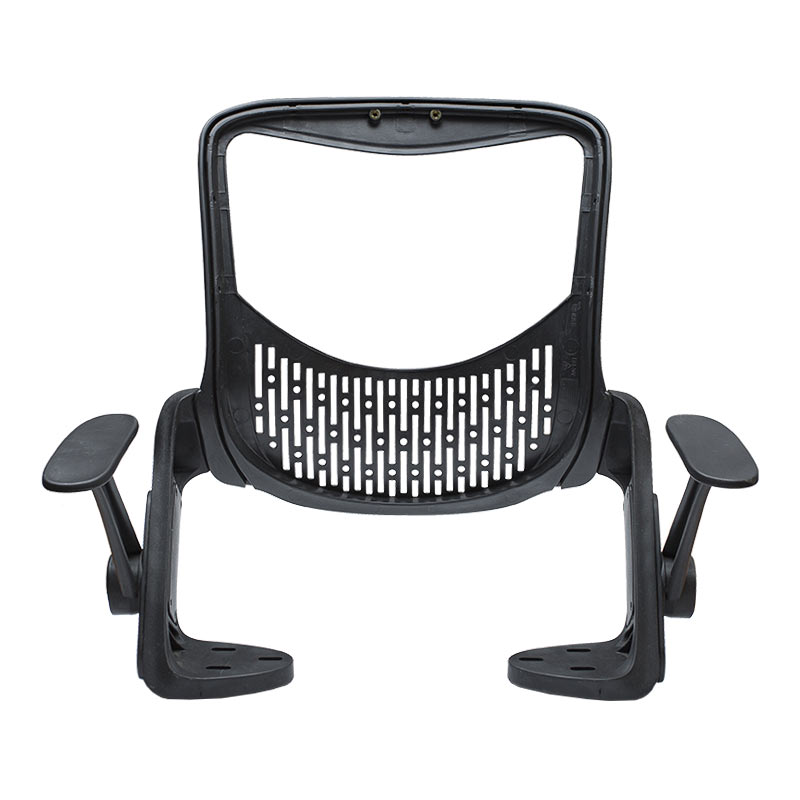
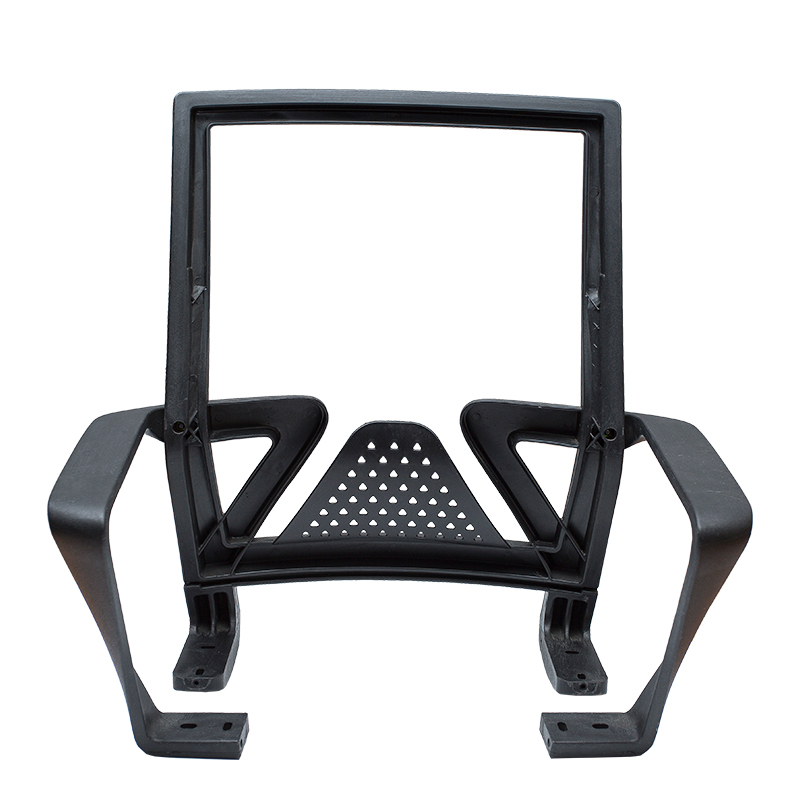
The backrest frame provides structural support for the spine. Ergonomic office chairs typically feature flexible plastic or composite frames that move with the user. Gaming chairs often employ steel frames wrapped with high-density foam to maintain rigid racing-style contours.
Proper lumbar support maintains the natural S-curve of the spine. Advanced chairs offer multiple lumbar support types:
Research indicates that adjustable lumbar support reduces lower back pain by 30% compared to fixed alternatives during eight-hour workdays.
Modern chair armrests offer multiple adjustment axes. Entry-level chairs provide height adjustment only, while premium models feature 4D adjustment: height, width, depth, and pivot. Proper armrest positioning reduces shoulder strain by supporting 7-10% of body weight.
Armrest pads typically use polyurethane foam with vinyl or leatherette covers. High-end ergonomic chairs employ gel-infused memory foam to distribute pressure evenly and prevent nerve compression in the forearms during extended computer use.
Headrests appear primarily in high-back office chairs and gaming chairs. These components attach to the backrest top via adjustable brackets or elastic straps. Effective headrests position the cervical spine in neutral alignment, reducing neck flexion by 15-20 degrees during recline.
Gaming chair headrests often include removable pillows filled with memory foam or microbeads. Ergonomic office chairs integrate adjustable headrests with pivot mechanisms that accommodate users between 5'0" and 6'4" in height.
Gaming chairs incorporate unique parts borrowed from racing seat design. Side bolsters on the seat and backrest provide lateral support during intense gaming sessions. These bolsters typically extend 2-4 inches from the main surface and contain firmer foam than central seating areas.
Many gaming chairs include threaded mounting holes or strap systems for accessories:
Understanding chair parts names facilitates maintenance and extends furniture lifespan. Gas cylinders typically require replacement after 5-7 years of daily use. Casters should be cleaned quarterly to remove hair and debris that impede rolling. Upholstery cleaning protocols vary by material, with mesh requiring vacuuming and leather needing conditioning every six months.
When purchasing replacement parts, verify compatibility through manufacturer specifications. Universal components like gas cylinders follow standard diameter measurements, while proprietary parts such as armrests and backrests require exact model matching.
Recommended Products

Call Us
+86 0572-5911661

Need Support

Head Office
ADD:Baishuiwan Industrial Park, Anji County, Zhejiang Province
Copyright © 2025Zhejiang Lubote Plastic Technology Co. , Ltd.
All Rights Reserved.Custom Chair Replacement Accessories Factory

