

 En
En
 Español
Call Us
+86 0572-5911661

2026-04-21
Content
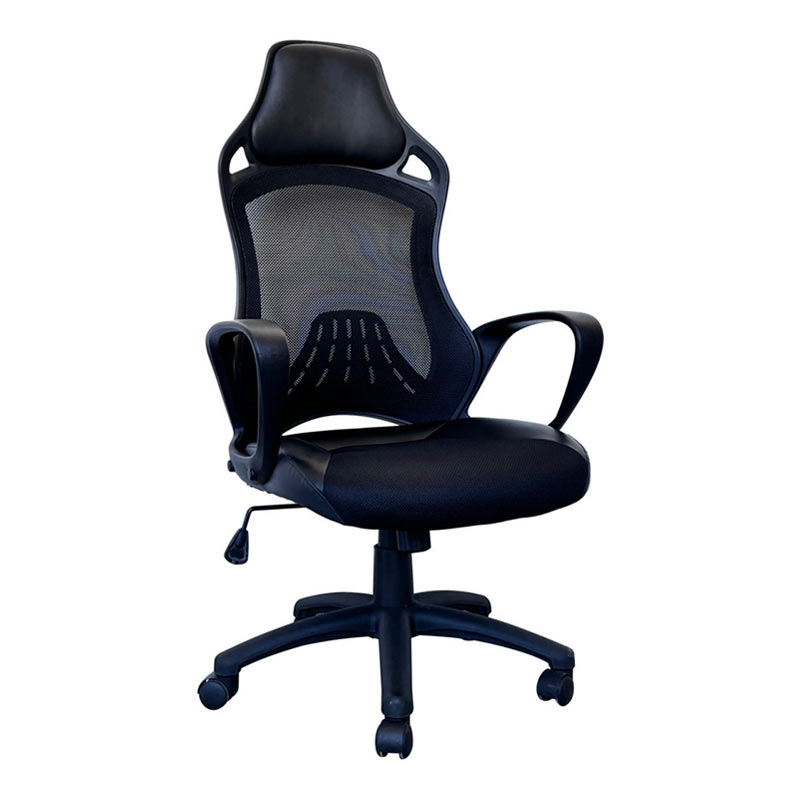
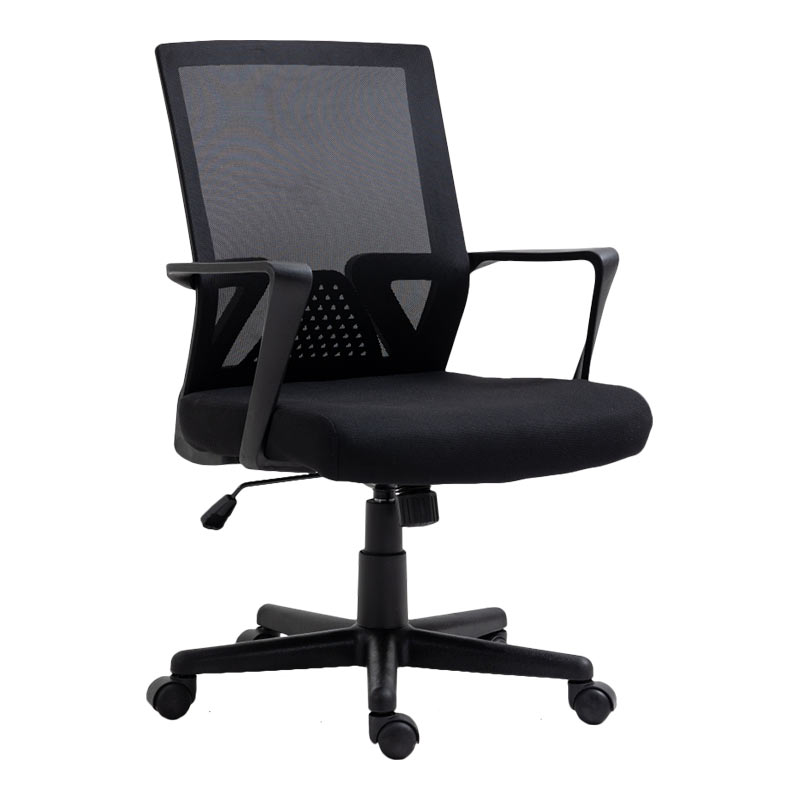
A standard office chair is made up of several distinct components, each with a specific structural or ergonomic function. Knowing the correct names makes it easier to identify worn parts, order replacements, and carry out repairs without guesswork.
The base and casters are the components most frequently replaced due to wear, floor damage, or upgrading from hard plastic wheels to soft polyurethane variants suited to hardwood or tile surfaces.
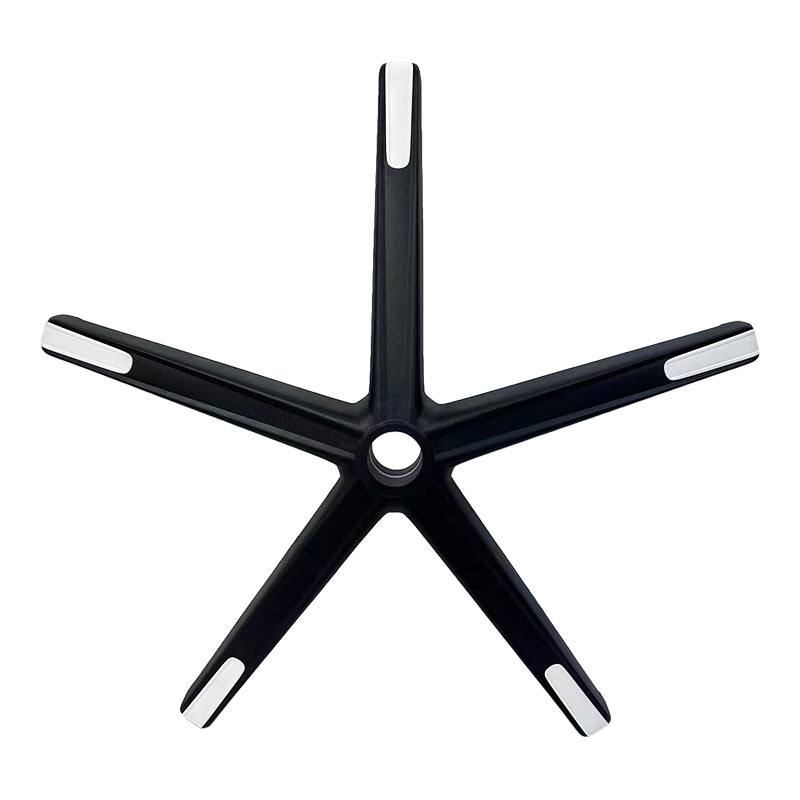
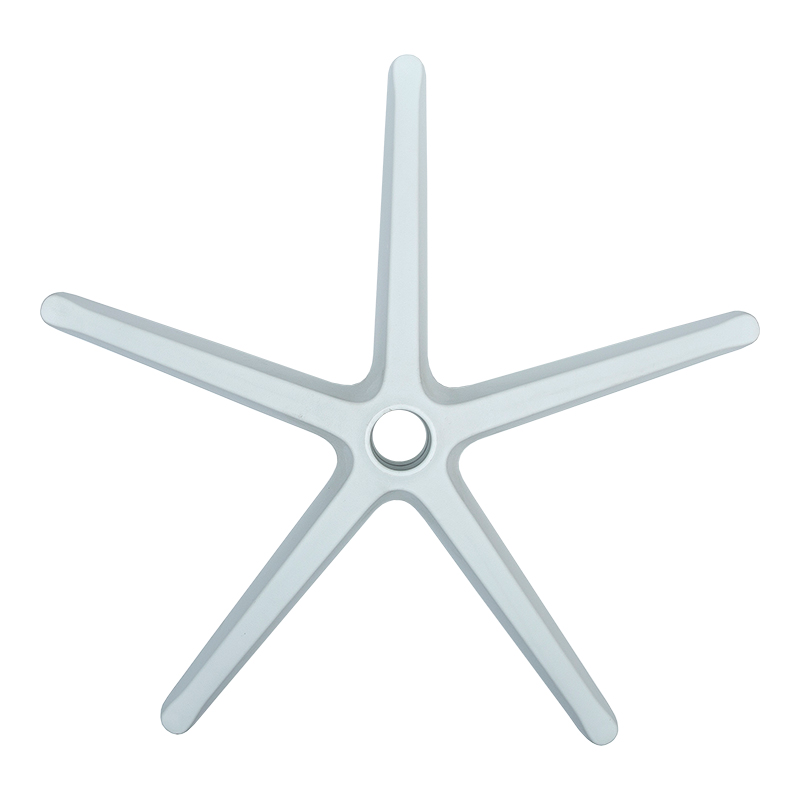
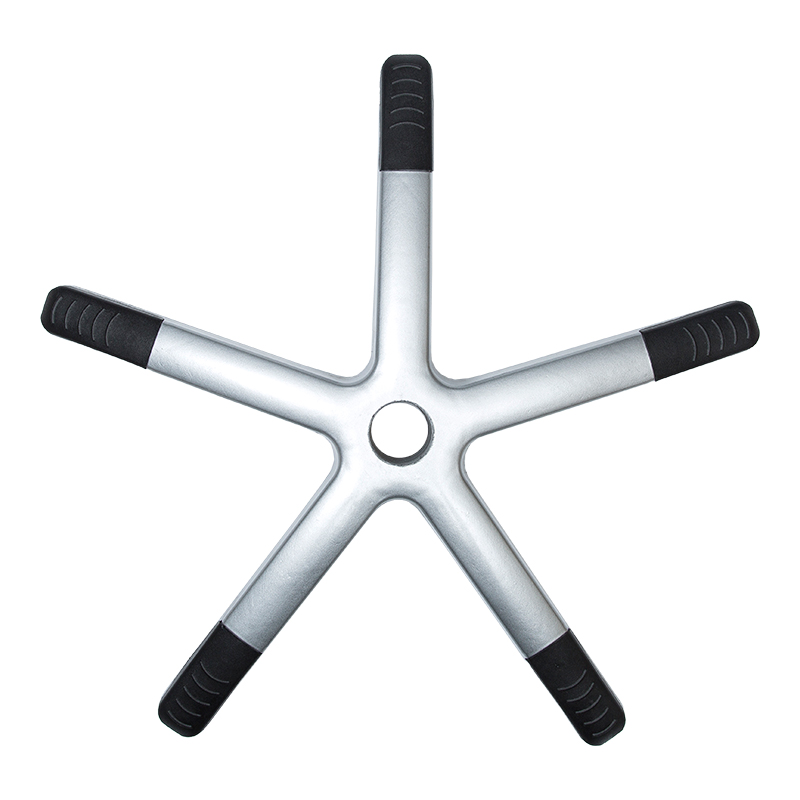
Most office chairs use a five-star base — a radially symmetrical platform with five arms extending outward from a central hub. The five-arm design distributes the chair's load evenly and provides a stable footprint without tipping under typical seated use. Some pedestal-style task chairs and drafting stools use a truly circular (round) base, which serves the same structural purpose but in a continuous ring rather than discrete arms.
The base hub has a tapered center bore that accepts the bottom of the gas cylinder via an interference fit — no fasteners are used in most consumer and mid-range commercial chairs. The cylinder is held in place by friction alone, which is important to understand when removing or replacing the base.
Office chair bases are most commonly made from:
When replacing a base, match the center bore diameter (typically 45 mm or 50 mm) to the existing gas cylinder, and confirm the caster stem size (usually 7/16 inch / 11 mm grip ring stem for standard office chairs).

Upholstery refers to the combination of padding material and a fabric or leather outer cover applied to a structural surface to make it softer and more comfortable for contact. On office chairs, upholstery is applied to the seat pan, the backrest, armrest pads, and on some executive models, the headrest.
A typical upholstered seat consists of three layers:
The back part of a chair — the backrest — may be fully upholstered (foam and fabric over a rigid shell), partially upholstered (padded lumbar zone with an open mesh upper section), or entirely mesh. Mesh backrests are not considered upholstered in the traditional sense; they provide breathability and passive lumbar contouring without foam padding.
Upholstery can be replaced independently of the structural components on most chairs. Seat foam and cover fabric are available as aftermarket repair materials, and recovering a seat pan typically requires only a staple gun and a flathead screwdriver to detach the old cover.
Standard office chair casters use a grip ring stem — a friction-fit metal post that presses directly into the socket on each arm of the base. No screws or bolts are involved. Removal requires breaking the friction fit, which can be done with basic tools.
New grip ring casters press back into the sockets by hand with firm thumb pressure — no tools required for installation. When upgrading to heavier polyurethane or rubber casters, confirm that the replacement stem diameter matches the existing socket size before purchase.
Replacing a swivel chair base requires separating the base from the gas cylinder, which is held by a tapered interference fit inside the center hub. The cylinder does not unscrew — it must be driven or pulled out of the hub.
Press the casters into the new base arms by hand. Insert the gas cylinder bottom taper into the center hub bore and press or tap it downward until fully seated. Reinstall the seat mechanism onto the cylinder's upper taper — body weight when first sitting on the repaired chair will fully seat both connections. Do not use adhesive or lubricant on the tapered joints; the friction fit requires clean, dry metal contact to hold correctly.
| Component | Connection Type | Removal Method |
|---|---|---|
| Casters → Base | Grip ring friction fit | Pull or pry outward |
| Base → Gas Cylinder | Tapered interference fit | Drive upward with mallet and drift |
| Gas Cylinder → Seat Mechanism | Tapered interference fit | Drive downward with mallet and drift |
A base replacement is cost-effective when the seat, backrest, and mechanism are still in good condition. Replacement bases for standard office chairs are widely available at $15–$60 USD for nylon models and $40–$120 USD for aluminum, compared to $200–$600 or more for a comparable new chair. If the gas cylinder has also failed (chair sinks slowly or will not hold height), replacing both the base and cylinder at the same time avoids a second disassembly later.
Replace the entire chair rather than the base when the seat foam has collapsed beyond recovery, the tilt mechanism is cracked or bent, or the backrest shell is structurally broken — repairs in those cases often cost more than entry-level replacement seating.
Recommended Products

Call Us
+86 0572-5911661

Need Support

Head Office
ADD:Baishuiwan Industrial Park, Anji County, Zhejiang Province
Copyright © 2025Zhejiang Lubote Plastic Technology Co. , Ltd.
All Rights Reserved.Custom Chair Replacement Accessories Factory

