

 En
En
 Español
Call Us
+86 0572-5911661

2026-03-13
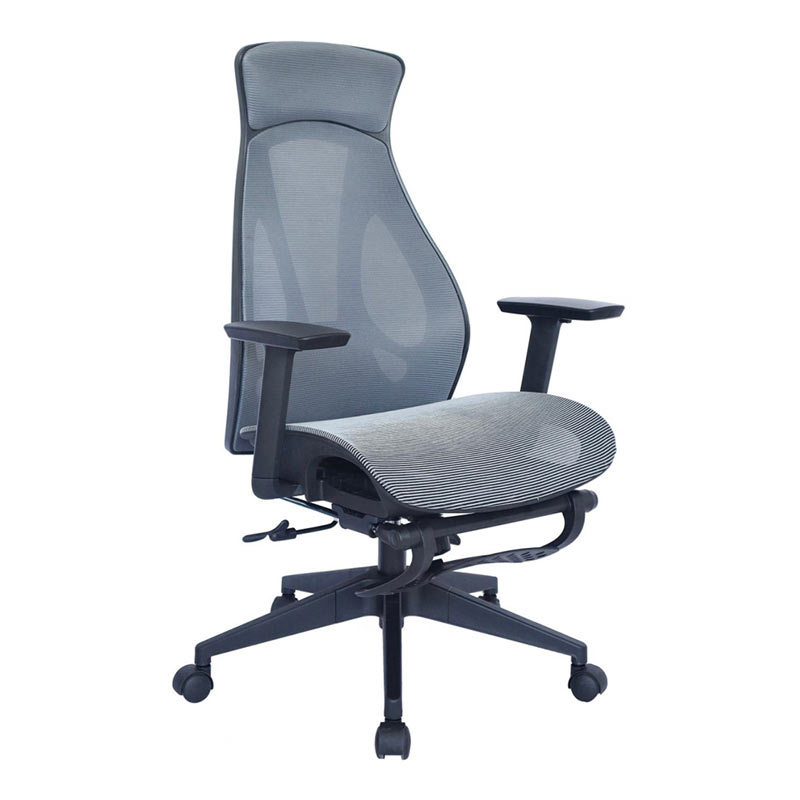
When it comes to building or evaluating seating furniture, three components consistently determine structural integrity and longevity: the plastic back frame, the plastic handrail (bracket), and the nylon chair feet (nylon base). Understanding how each part functions — and how they interact — helps buyers, manufacturers, and repair technicians make smarter decisions. In short: the plastic back frame provides structural support for the sitter's back; the plastic handrail bracket secures armrests or rails to the frame; and nylon chair feet protect both the floor and the chair base from wear. Each plays a distinct role, and choosing the right material grade for each is critical to chair performance.
Content
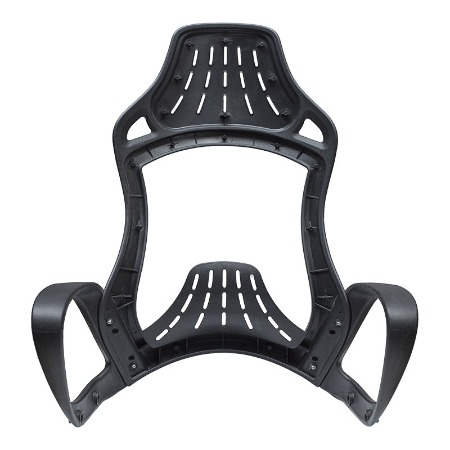
The plastic back frame is the internal or exposed skeleton that gives the backrest of a chair its shape and load-bearing capability. It is typically molded from high-impact polypropylene (PP) or acrylonitrile butadiene styrene (ABS), both of which offer a balance of rigidity, weight savings, and resistance to cracking under dynamic load.
Unlike metal frames, plastic back frames are corrosion-resistant, lighter (typically 30–50% lighter than equivalent steel frames), and can be manufactured in complex contoured shapes that conform to ergonomic curves without additional bending or welding processes. This makes them especially popular in stackable office chairs, school furniture, and outdoor seating.
The most common failure mode is stress cracking at the attachment points where the frame bolts or clips into the seat shell. UV degradation is also a factor in outdoor applications: untreated PP can lose up to 50% of its impact strength after 12 months of direct sunlight exposure. Specifying UV-stabilized grades is essential for any outdoor or semi-outdoor seating application.
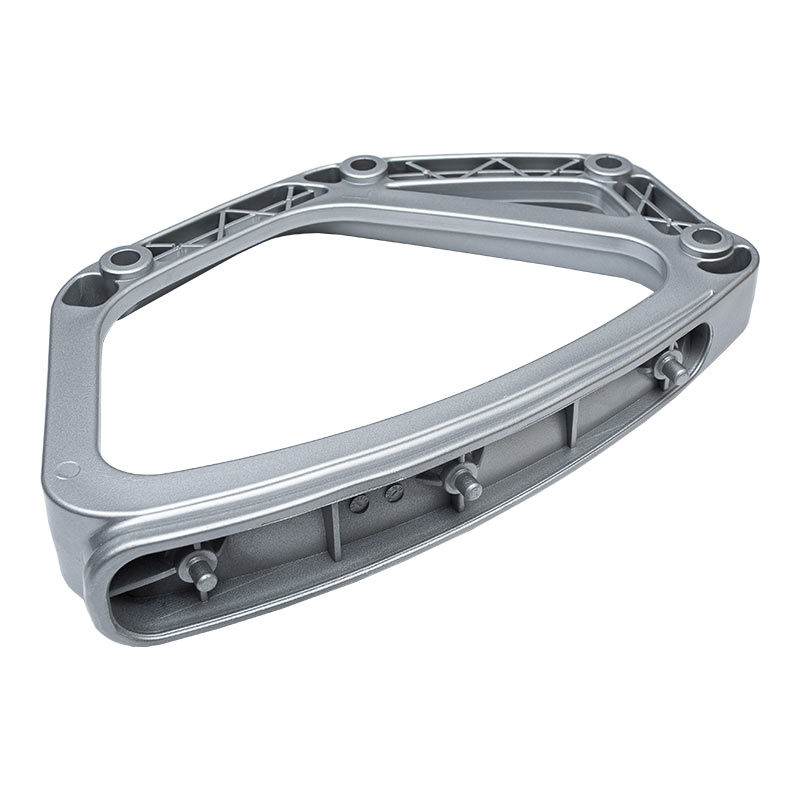
A plastic handrail bracket — sometimes called a handrail connector or arm bracket — is the structural link between the armrest rail and the chair's main frame. It absorbs lateral and downward forces from the user's arm and transfers them into the seat or back frame without allowing flex or rattle.
In contract furniture standards such as BIFMA X5.1 (North America) and EN 1335 (Europe), armrests and their mounting brackets must withstand a downward load of at least 900 N (approximately 90 kg-force) without permanent deformation. Plastic handrail brackets that meet these standards are typically injection-molded from glass-filled nylon (PA6-GF30 or PA66-GF30), which combines high stiffness, fatigue resistance, and dimensional stability.
| Criteria | Plastic (PA66-GF30) | Die-Cast Zinc |
|---|---|---|
| Weight | ~45 g (typical) | ~180 g (typical) |
| Corrosion Resistance | Excellent | Moderate (requires coating) |
| Load Capacity | 900–1,200 N | 1,500–2,500 N |
| Unit Cost (approx.) | $0.80–$2.50 | $3.00–$8.00 |
| Recyclability | Good (thermoplastic) | Good (metal recycling) |
For standard commercial seating applications, plastic handrail brackets comfortably meet load requirements at a fraction of the weight and cost of metal alternatives. Die-cast brackets are better reserved for heavy-duty institutional or outdoor applications where load demands consistently exceed 1,200 N.
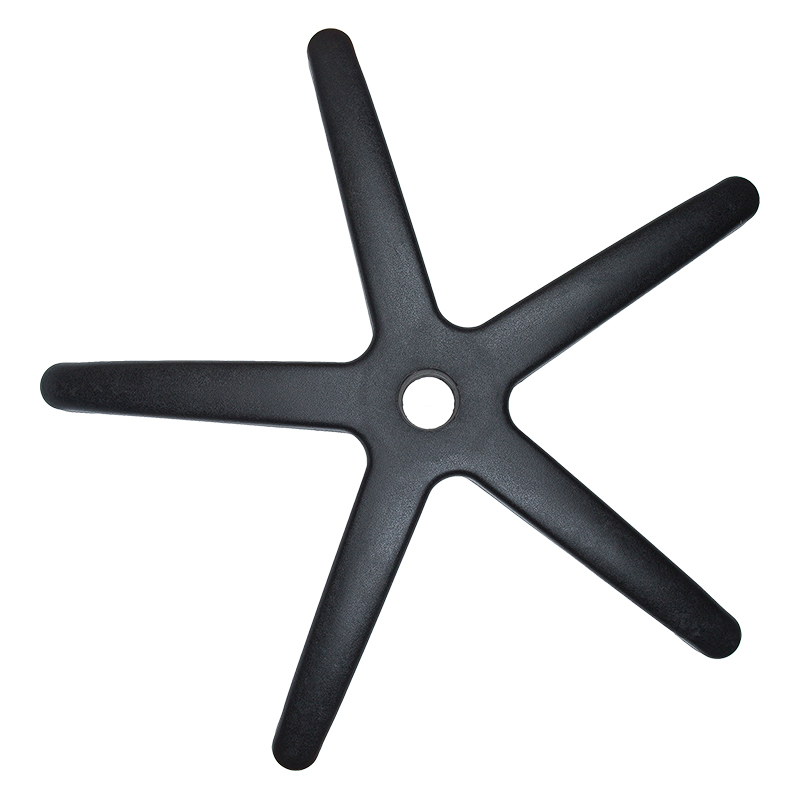
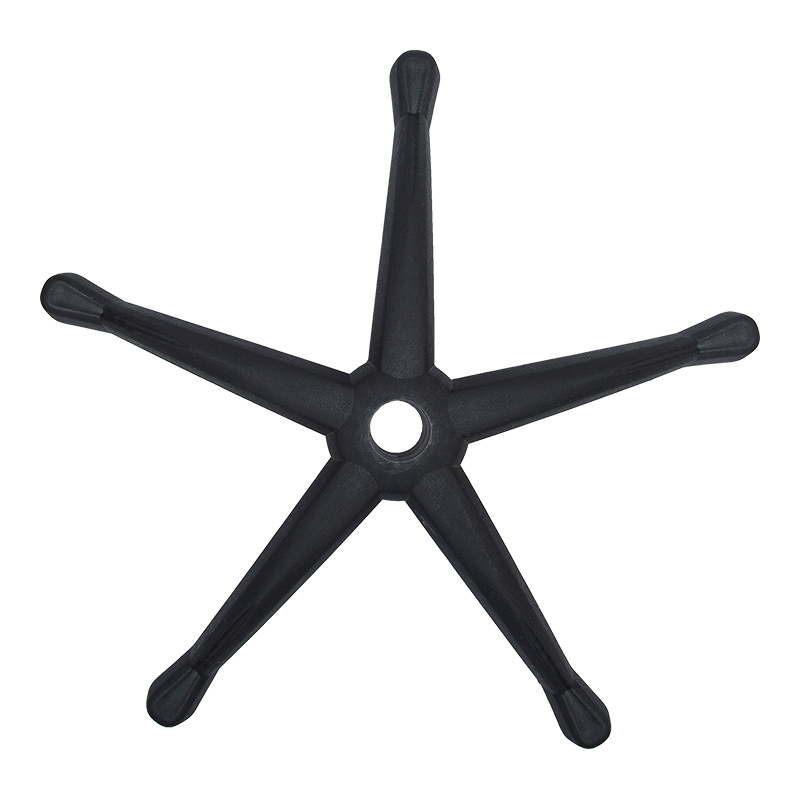
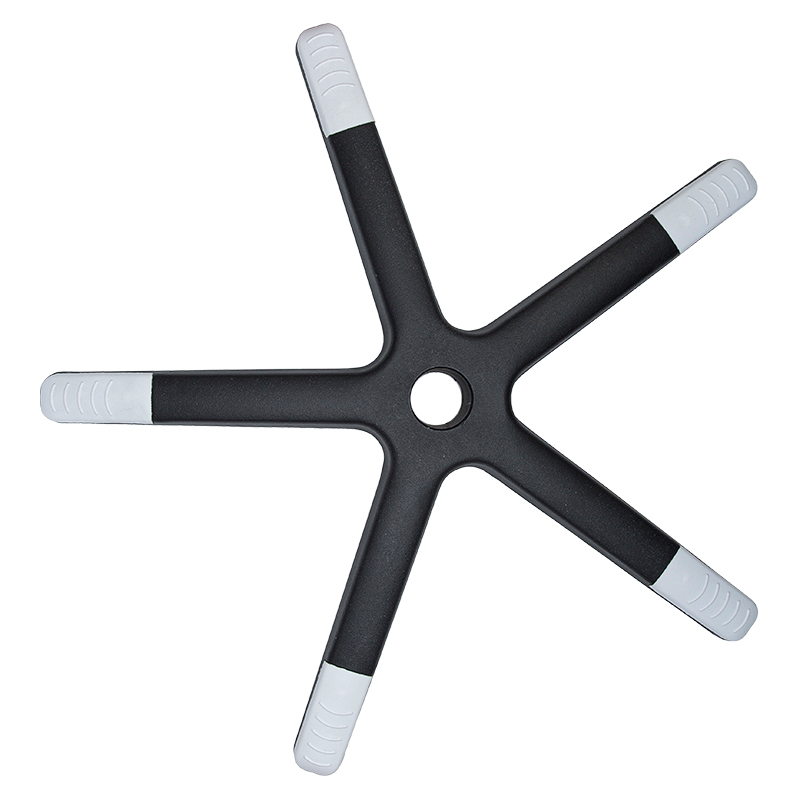
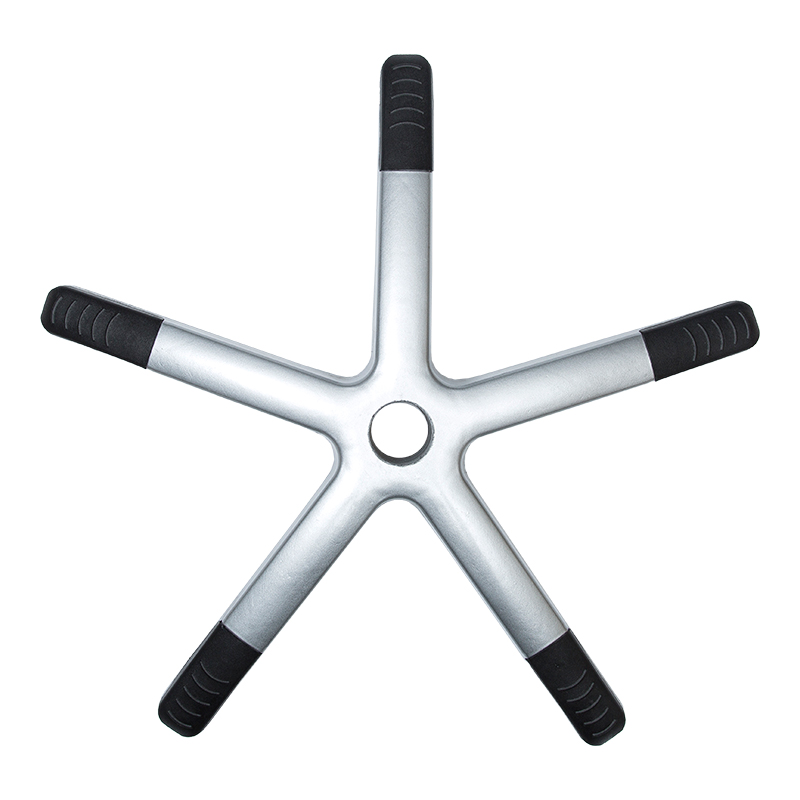
Nylon chair feet — the small caps or glides fitted to the bottom of chair legs — and the nylon base (the five-star or four-leg structural base of task chairs) are among the most performance-critical yet frequently underspecified components in seating design.
The primary functions of nylon chair feet are to protect flooring surfaces from scratching, reduce noise during movement, improve stability by distributing point loads over a larger contact area, and resist wear from repeated dragging. A quality nylon foot can last 5–8 years under normal office use before showing significant wear, compared to cheaper PVC or rubber substitutes that may deform or crack within 1–2 years.
The five-star base is the standard configuration for office task chairs. Nylon bases are most commonly made from glass-fiber reinforced PA6 (nylon 6) or PA66 (nylon 6,6), with GF content typically ranging from 20% to 35%. A 30% glass-filled PA66 base offers a flexural modulus of approximately 9,000–10,000 MPa, providing the rigidity needed to support dynamic seated loads without creep over time.
Key certification benchmarks for nylon bases include BIFMA X5.1 (300 lb / 136 kg static and dynamic testing) and EN 1335-3, which requires the base to withstand a 1,500 N static load applied at the tip of each arm without permanent deformation exceeding 3 mm.
| Floor Type | Recommended Foot Type | Notes |
|---|---|---|
| Hardwood / Laminate | Felt-insert nylon glide | Prevents surface scratching; low friction |
| Carpet (low pile) | Standard hard nylon cap | Resists fiber snagging; easy glide |
| Carpet (high pile) | Wide-base nylon foot | Larger contact area prevents sinking |
| Tile / Stone | Rubber-tipped nylon glide | Reduces noise; prevents tile chipping |
| Outdoor / Concrete | UV-stabilized nylon foot | Resists UV and moisture degradation |
A well-engineered chair treats the plastic back frame, plastic handrail bracket, and nylon chair feet as a system rather than isolated parts. Load paths run from the user's body through the back frame, distribute into the seat shell and handrail brackets, travel down the chair legs or base arms, and terminate at the nylon feet on the floor. Any weak link in this chain compromises the entire structure.
For example, a back frame made of standard (non-reinforced) PP may be perfectly adequate for a lightweight residential dining chair rated at 100 kg. However, pairing that same frame with heavy-duty GF-nylon handrail brackets and a reinforced nylon base creates a mismatch: the back frame becomes the failure point under loads the rest of the system can handle. Component specifications must be balanced to the chair's intended weight rating and use environment.
Whether you are a furniture OEM, a procurement manager, or a repair professional, evaluating supplier claims for these components requires more than reading a product sheet.
Recommended Products

Call Us
+86 0572-5911661

Need Support

Head Office
ADD:Baishuiwan Industrial Park, Anji County, Zhejiang Province
Copyright © 2025Zhejiang Lubote Plastic Technology Co. , Ltd.
All Rights Reserved.Custom Chair Replacement Accessories Factory

