

 En
En
 Español
Call Us
+86 0572-5911661

2026-08-24
The base of an office chair is its structural foundation, yet it is often the most overlooked component until it fails. A cracked leg, a stripped caster socket, or a wobbling gas cylinder connection renders even the most comfortable ergonomic chair useless—and potentially dangerous. Choosing the right replacement, or specifying the correct base for a new chair build, requires evaluating material, load capacity, hub compatibility, and the specific demands of your seating environment. This office chair base replacement guide provides a systematic approach to selecting a durable, stable five-star base, with a particular focus on the nylon chair base vs metal base decision and the critical performance factors that separate a high-quality plastic chair base from one that will fail prematurely. Whether you are restoring a premium office chair, upgrading a gaming chair base, or sourcing office chair parts for a product line, the criteria outlined here will help you make an informed, long-lasting choice.
Content
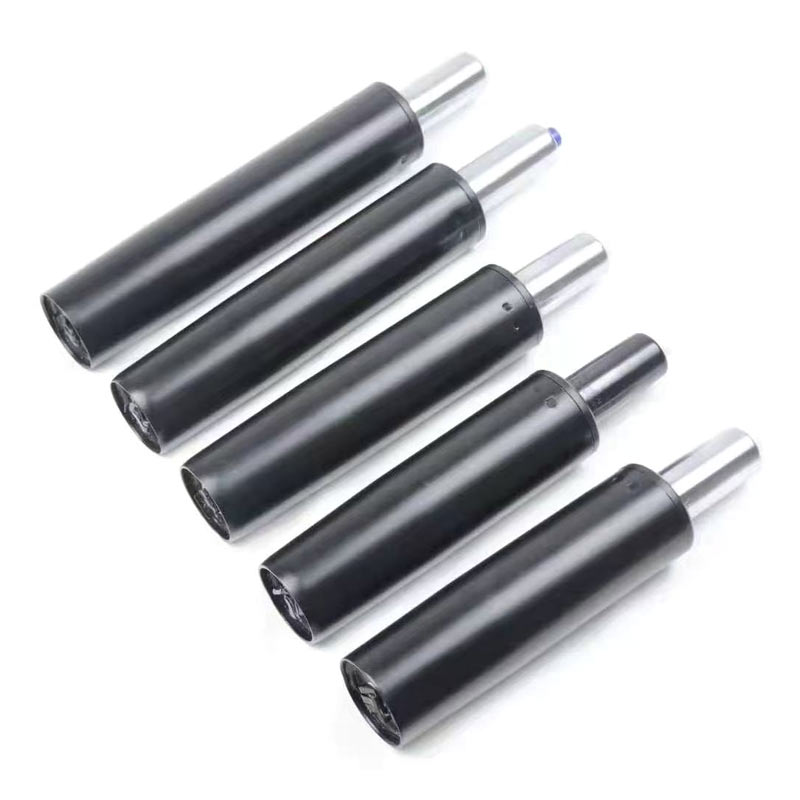
Before comparing materials or load ratings, the base must physically fit the chair's gas lift cylinder and casters. The central hub bore is the most critical dimension. The vast majority of modern office chairs use a 50 mm tapered hub to accept the standard 50 mm gas cylinder body. However, some specialty or older chairs use a 28 mm hub for a smaller cylinder. Measuring the outer diameter of your existing cylinder at the point it enters the base—or, if the cylinder is worn, checking the manufacturer's specifications—is the essential first step. An incorrect hub size means the base will either not fit or will wobble dangerously because the taper lock cannot engage properly. The caster stem sockets are the second compatibility point. The industry standard for grip-ring casters is a socket diameter of 11 mm. Stems are inserted into the socket and held by a friction ring. Always verify this dimension with calipers, especially if you plan to reuse existing casters. A mismatch of even half a millimeter will result in casters that fall out under load or cannot be inserted without damaging the socket.
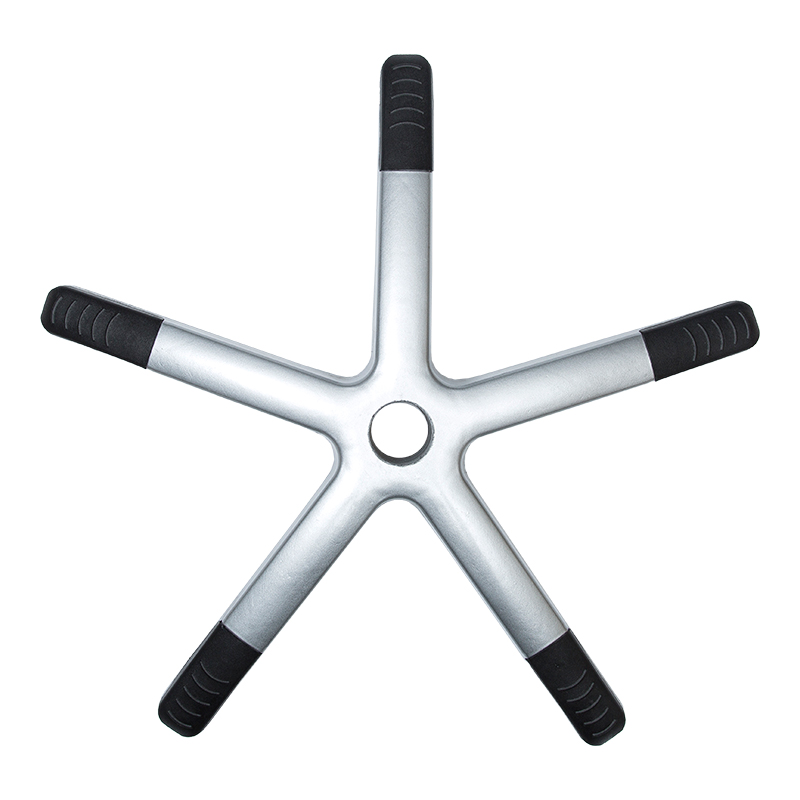
The nylon chair base vs metal base decision is the core material choice, and a detailed office chair base material comparison reveals that neither category is universally superior. The right choice depends on the application's load, environment, and budget. Metal bases are typically constructed from welded steel or cast aluminum. Steel bases offer the highest absolute strength and are specified for heavy-duty industrial chairs and seating that must meet extreme weight ratings—often 200 kg and above—without flex. However, steel is heavy, can corrode if the paint or chrome plating is damaged, and is more expensive to manufacture and ship. Aluminum bases, particularly those that are polished or powder-coated, offer a premium aesthetic with a lighter weight than steel and natural corrosion resistance, making them the choice for high-end executive chairs and designer furniture.
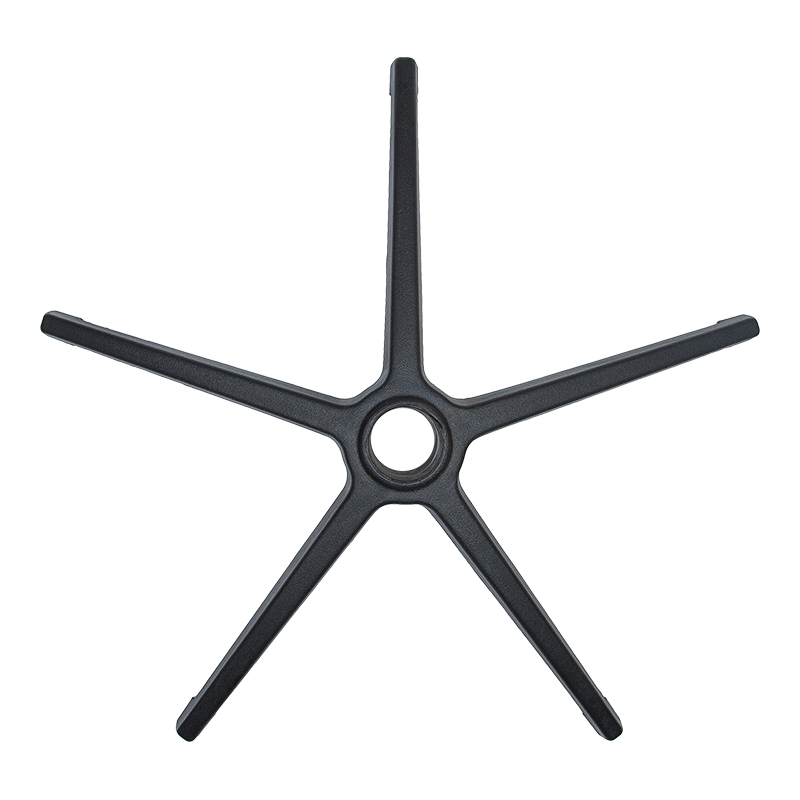
A plastic chair base vs aluminum base comparison, when that plastic is high-grade engineered nylon, reveals why nylon has become the dominant material for mid-range to premium office seating. A well-designed nylon chair base made from PA66 with 30% glass fiber reinforcement (PA66+GF30) achieves a tensile strength of approximately 180 MPa and a flexural modulus of around 9.5 GPa. This provides sufficient strength to support users up to 150 kg in a properly designed five-star geometry, while weighing significantly less than aluminum or steel. Nylon will not corrode, it absorbs vibrations that would transmit through a metal base, and it is manufactured through efficient injection molding that keeps costs accessible. The primary weakness of nylon compared to metal is its lower resistance to prolonged overloads that exceed its rated capacity—a metal base may bend and give warning, while an overloaded nylon base will crack suddenly. However, within its rated capacity, a quality glass-filled nylon base will provide years of silent, stable service, often outlasting the chair's upholstery and mechanisms. For the vast majority of home offices and commercial workstations, a reinforced nylon chair base offers the optimal balance of strength, weight, and value.
| Material | Typical Weight (kg) | Max User Weight (kg) | Corrosion Resistance | Best Application |
|---|---|---|---|---|
| PA66 Nylon + 30% GF | 2.5–3.5 | Up to 150 | Excellent | General office, gaming chairs, light commercial use |
| Cast Aluminum | 3.0–4.5 | Up to 180 | Very Good | Executive chairs, humid environments, heavy daily use |
| Welded Steel (Chromed/Painted) | 5.0–8.0 | 200+ | Moderate (if coating intact) | Industrial seating, 24/7 use, bariatric applications |
The chair base load capacity is not merely a number on a specification sheet; it is the result of the interplay between material strength, leg geometry, and the quality of the injection molding process. A base rated for 150 kg has been tested to withstand that static load plus a safety factor—typically 1.5 to 2.0—without cracking, permanent deformation, or instability. When selecting a base, match its rated capacity to the intended user weight with a comfortable margin. A user weighing 120 kg should choose a base rated for at least 150 kg. The leg radius, the distance from the center of the base to the caster, is the primary determinant of tipping stability. A larger radius increases the footprint and makes the chair harder to tip over, but it also increases the bending moment on each leg. A standard five star base has a radius of approximately 320–360 mm. For taller chairs or heavy users, a wider radius of 380 mm or more adds an extra margin of stability. Before purchasing a replacement, measure the existing base's radius and consider whether a larger base would improve safety and comfort.
A gaming chair base replacement often becomes necessary because the original base was under-specified for the chair's recline range and the user's weight. Gaming chairs are frequently reclined to extreme angles—sometimes 180 degrees—which shifts the user's center of gravity and applies unusual leverage on the base legs and the central hub. When replacing a base on a gaming chair, prioritize a reinforced nylon chair base with a high glass fiber content (30% or more) and a wide leg radius. Also verify that the hub taper is a precise match for the gas cylinder; gaming chairs sometimes use a non-standard cylinder diameter. The caster sockets should be robust and deep, as gaming chairs are subjected to more lateral movement and aggressive rolling than typical office chairs. Investing in a heavy-duty nylon or even an aluminum base can prevent the frustrating wobble and potential collapse that plague under-built gaming chairs.
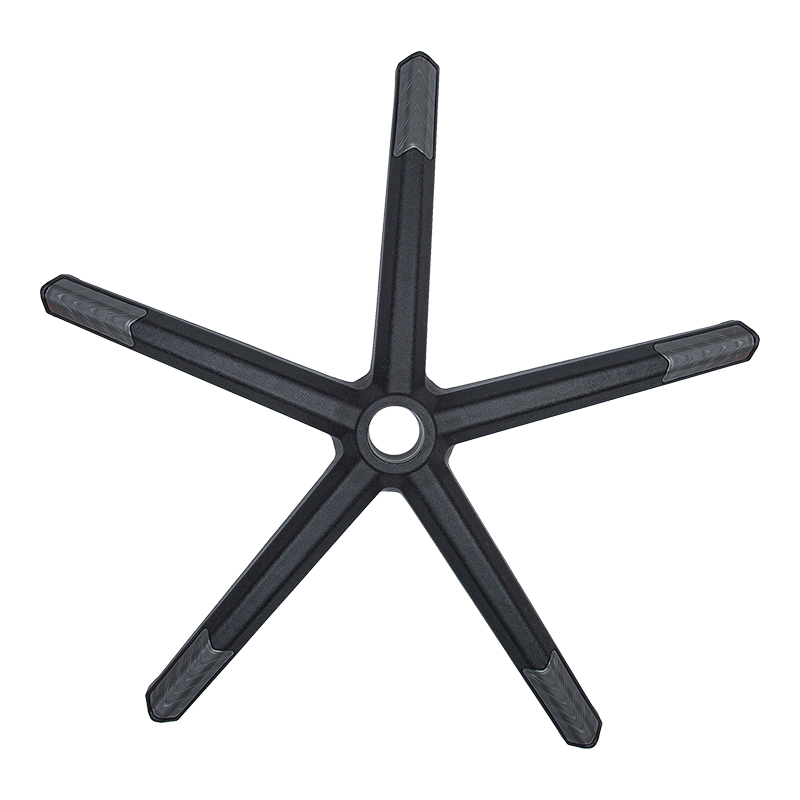
Several factors affecting chair base durability go beyond the initial material specification. The quality of the injection molding process is paramount: a PA66 base that was improperly dried before molding will have reduced molecular weight and significantly lower impact strength. Bubbles or flow lines visible on the surface are indicators of poor processing and potential weak points. The design of the underside reinforcement ribs distributes stress away from the leg-hub junction, the most highly stressed area in the entire base. A base with deep, well-designed ribs will resist cracking far longer than one with a smooth, thin underside. The fit of the gas cylinder taper is another durability factor—a loose fit causes the base to rock on the cylinder, creating cyclic stress that leads to fatigue cracking over thousands of sit-stand cycles. Proper installation is essential: the base must be pressed firmly onto the cylinder until the taper locks, and the cylinder retaining clip (if present) must be fully seated. Finally, environmental exposure plays a role. While nylon is highly resistant to moisture, prolonged exposure to direct sunlight or high ozone levels can eventually degrade the polymer. For normal indoor use, however, a quality nylon chair base will outlast most other chair components.
This office chair parts sourcing guide emphasizes specification over brand. When searching for a replacement base, begin by documenting the exact dimensions of your current component: the hub bore, the caster socket diameter, the leg radius, and if possible, the material and weight capacity. Armed with these numbers, you can evaluate ergonomic chair components from multiple suppliers based on objective fit rather than guesswork. Look for bases that specify their material composition explicitly—"PA66+GF30" is the gold standard for nylon. Avoid bases described only as "heavy-duty nylon" without supporting data. A reputable supplier will list the rated load capacity, the weight of the base itself, and the dimensions clearly. If the base will be used in a commercial or warranty-sensitive context, request documentation of the material certification and any relevant testing standards (such as BIFMA X5.1 in North America). A base that meets these standards has been independently tested for drop impact, cyclic loading, and stability, providing assurance that it will perform reliably. With the correct specifications in hand and a focus on material quality, sourcing a durable office chair base becomes a straightforward task that extends the life of a valued chair and ensures safe, comfortable seating for years to come.

Call Us
+86 0572-5911661

Need Support

Head Office
ADD:Baishuiwan Industrial Park, Anji County, Zhejiang Province
Copyright © 2025Zhejiang Lubote Plastic Technology Co. , Ltd.
All Rights Reserved.Custom Chair Replacement Accessories Factory

