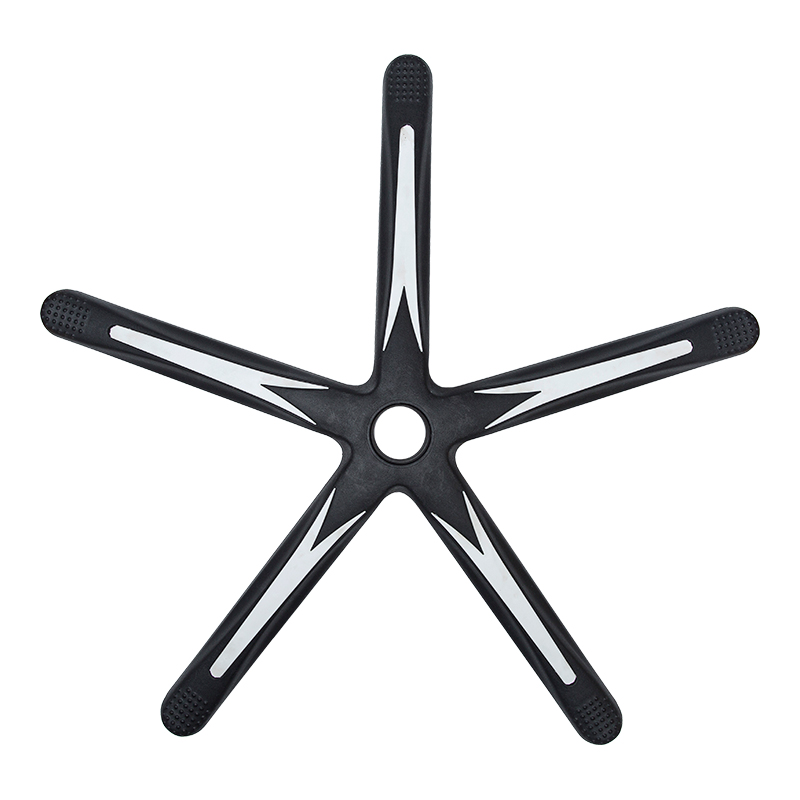
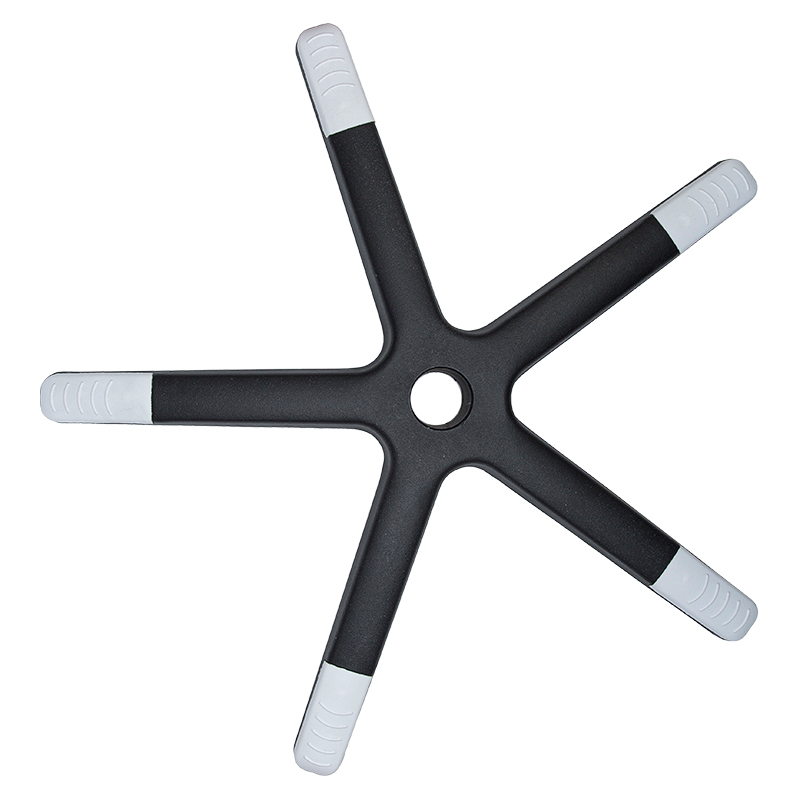
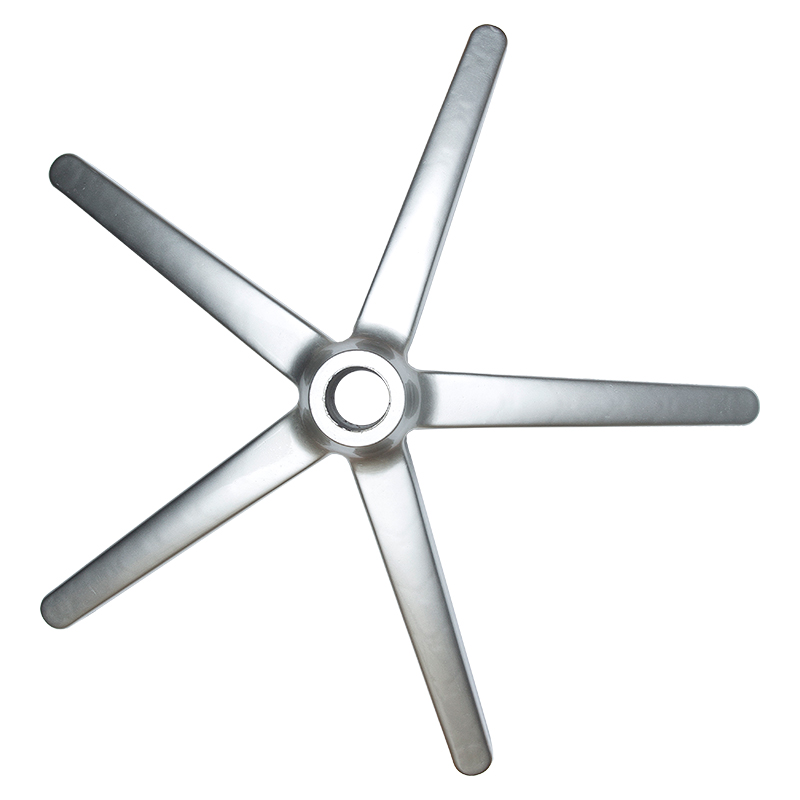
Office chair casters wear out gradually, and the signs are easy to recognise: the chair rolls unevenly or pulls to one side, one or more wheels spin freely but no longer roll smoothly, the caster housing cracks and the wheel wobbles, or the wheel material — typically nylon or polyurethane — is visibly flat-spotted, split, or worn through to the axle. Replacing all five casters at once is strongly recommended over replacing one at a time, since mismatched caster wear produces uneven rolling resistance that accelerates wear on the remaining original wheels.
Changing office chair wheels is also an opportunity to upgrade from nylon to polyurethane casters if the chair has moved from carpet to hard flooring. Hard nylon casters on wood, laminate, or tile floors roll aggressively, scratch the surface, and can crack the flooring finish over time. Soft polyurethane casters roll quietly, grip without scratching, and are markedly easier on hard floors.
Understanding Caster Stem Types Before You Start
Before purchasing replacement casters, identify the stem type fitted to your chair. The stem is the pin that connects the caster to the base arm socket. Getting this wrong means the replacement will not fit. The three most common types are:
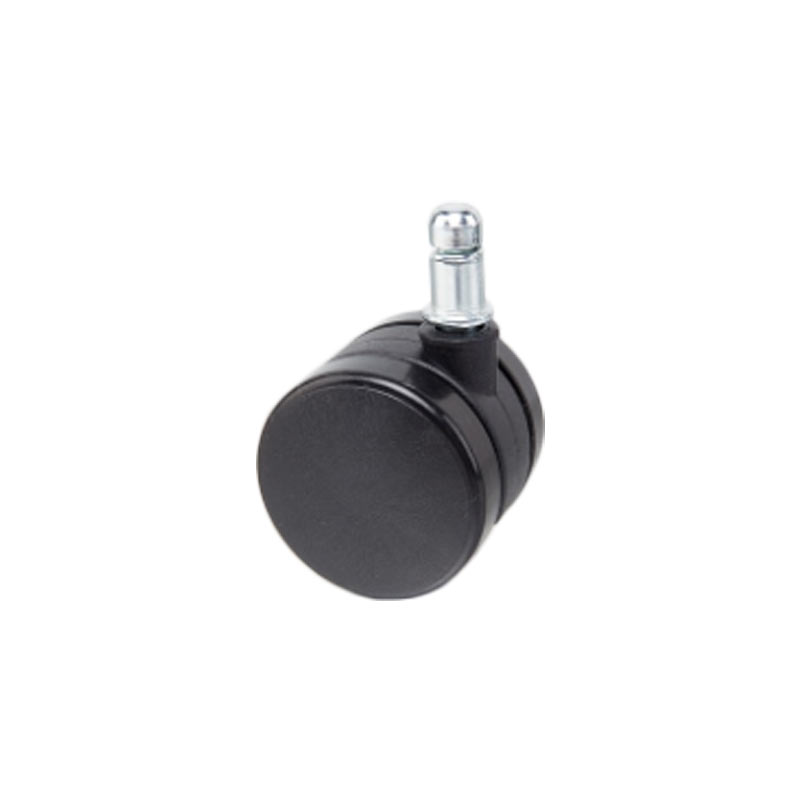
- Grip ring stem (friction stem / push-in stem): A smooth cylindrical metal pin with a spring-loaded clip ring near the top. The clip compresses as the stem is pushed into the socket and springs outward to lock it in place. This is by far the most common type on office chairs worldwide. The standard size is 11 mm diameter × 22 mm length; a smaller 10 mm × 19 mm variant is used on some European chairs. Measure the stem diameter with a calliper if unsure.
- Threaded stem: A metal stem with an external screw thread that screws into a threaded socket in the base arm. Common on older chairs and some European models. Thread sizes vary — M10 and M12 are most common. Identify by the visible thread on the pin.
- Plate mount caster: No stem at all — the caster mounts directly to the base with a flat plate and screws. Used on wooden chair bases, furniture dollies, and some bariatric chairs. Not common on standard office chairs.
How to Remove the Stem from Caster Wheels
Removing a grip ring stem caster from a chair base requires overcoming the spring clip that locks it in the socket. The stems fit tightly by design — a caster that pulls out easily under rolling force would be a safety hazard. Here are the most reliable removal methods:
- Tip the chair on its side or turn it upside down so the base arms are accessible. Working with the chair upright risks it tipping onto you when the casters are removed.
- Grip the caster wheel firmly with both hands and pull directly outward along the axis of the stem — straight out from the base arm socket, not at an angle. Apply firm, steady pulling force. On a new or recently fitted caster, this may require significant effort.
- If hand-pulling fails, use a pry bar or large flathead screwdriver as a lever. Place a folded cloth under the pry bar tip to protect the base arm finish. Lever the caster housing away from the base arm socket with controlled force. Do not apply leverage to the wheel itself — only to the caster housing.
- For stubborn casters that have been in place for years, spray a small amount of penetrating lubricant (WD-40 or equivalent) into the socket around the stem and allow 5–10 minutes penetration time before attempting removal. Corrosion between the steel stem and plastic socket is the most common cause of casters that resist removal with normal force.
- Pliers method: Grip the stem directly with locking pliers or channel-lock pliers if the caster housing gives enough clearance. With a firm grip on the stem, a sharp outward pull usually releases the grip ring clip. This method risks marring the stem finish but is effective when the housing provides insufficient grip.
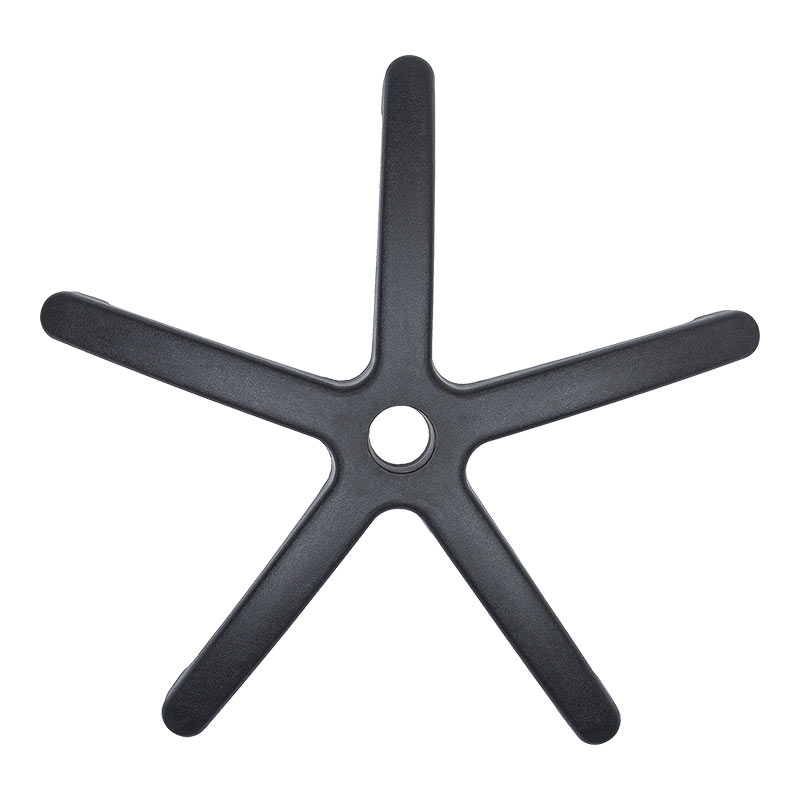
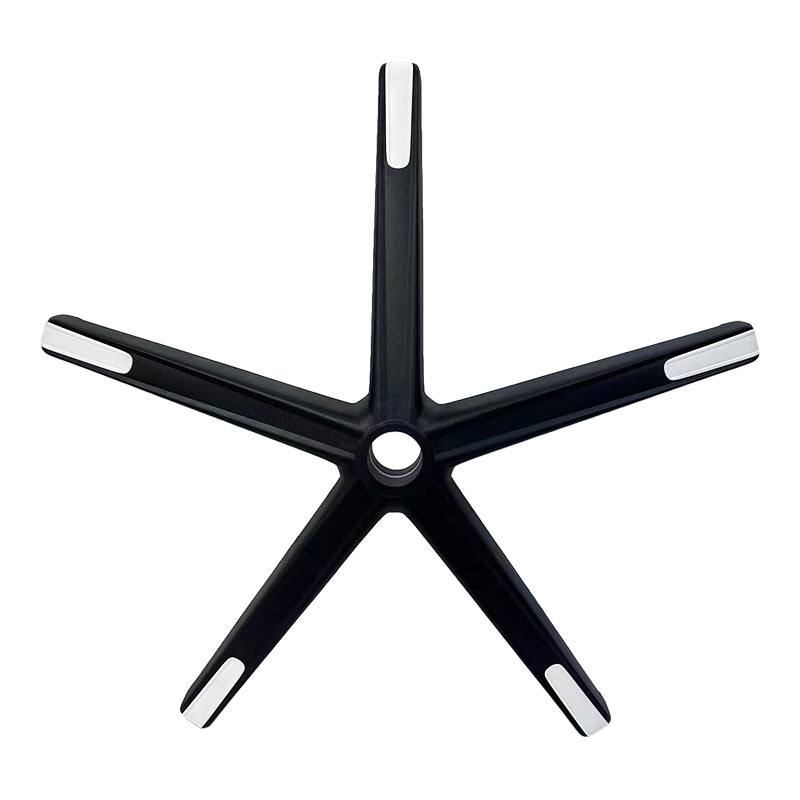
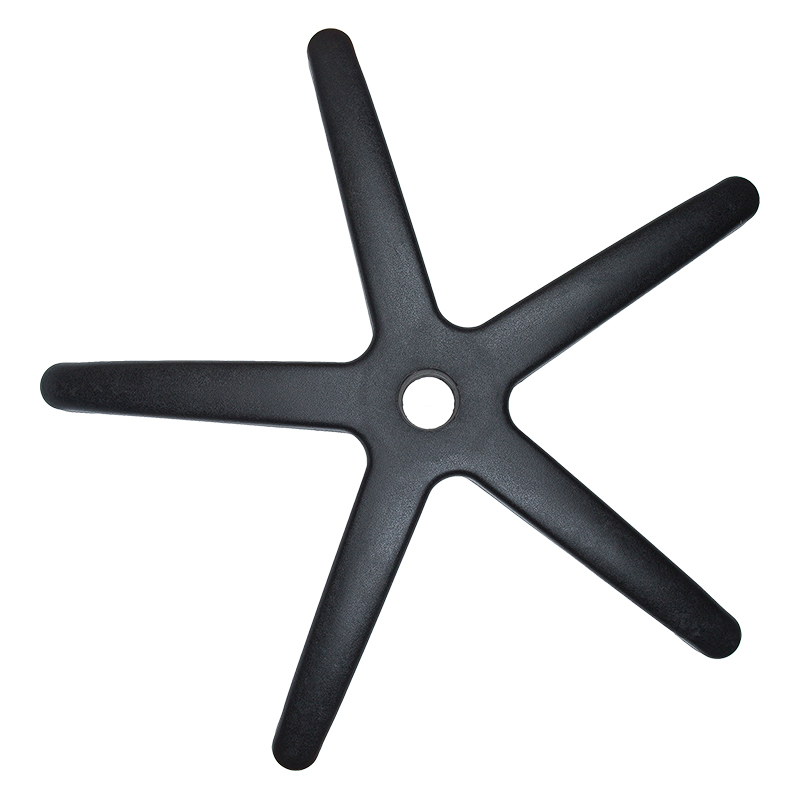
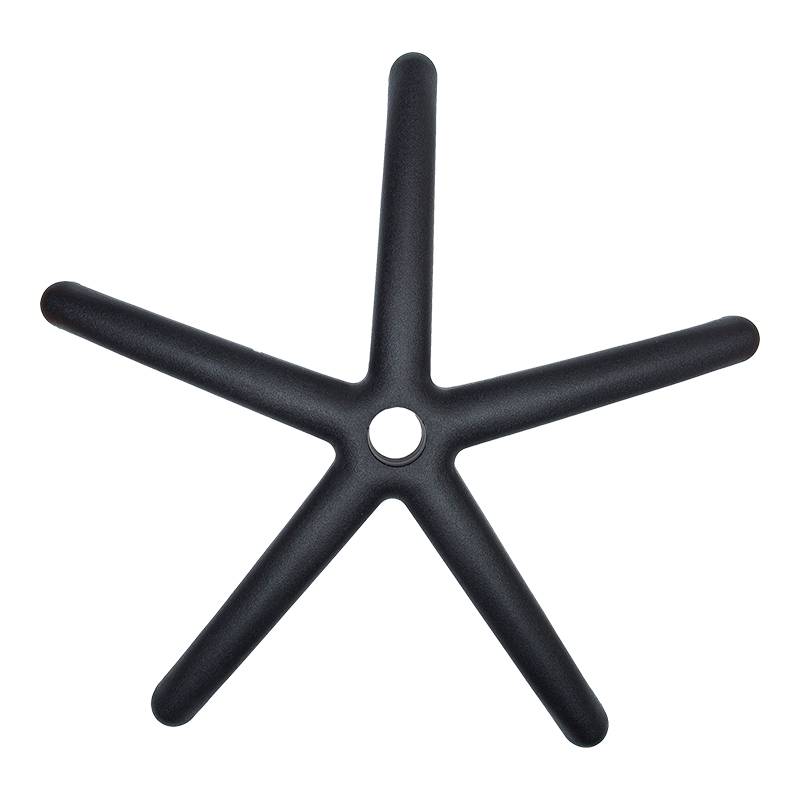
Once removed, inspect the socket hole in the base arm. A split or cracked socket means the base arm will not hold a new caster securely — the base may need replacement rather than just the casters. Oval or enlarged socket holes from years of use can sometimes be salvaged with a slightly oversized stem or an insert bushing, but a structurally compromised base is a safety issue that warrants full base replacement.
How to Install New Office Chair Wheels
- Confirm stem size before purchase. Measure the diameter and length of the removed stem, or measure the socket hole diameter in the base arm. The standard 11 mm × 22 mm grip ring stem fits the vast majority of office chairs, but verify before ordering — a 10 mm stem in an 11 mm socket will rock and fall out under use.
- Select the correct wheel material for your floor. Use hard nylon (black or grey) on carpet. Use soft polyurethane (typically tan or cream coloured) on hard floors including wood, laminate, tile, and vinyl. Rollerblade-style dual-wheel polyurethane casters are a popular upgrade that roll smoothly on both surface types.
- Insert the stem into the socket hole with the chair still tipped or inverted. Align the stem straight with the socket axis and push firmly inward. The grip ring will compress as the stem enters and click into place once the ring passes the socket edge. A clean click or a firm seating with no wobble confirms correct installation.
- Test each caster before returning the chair to use. With the chair upright, apply body weight and roll in all directions. Any caster that feels loose, wobbles, or fails to swivel freely should be removed and reseated before the chair is used normally.
- No tools are required for standard grip ring stem installation. If the stem requires a mallet to fully seat, ensure it is correctly aligned — a cocked stem driven in at an angle will not lock properly and may split the socket.
Caster Load Rating and Weight Capacity
Each caster carries approximately one-fifth of the total chair load (user weight plus chair weight). A chair used by a 120 kg user with a 15 kg chair frame exerts roughly 27 kg per caster at rest, and significantly more under dynamic loading when the user shifts position or sits down abruptly. Standard office chair casters are typically rated at 50–80 kg per wheel, giving a five-caster set a total rated capacity of 250–400 kg — adequate for the vast majority of users.
For bariatric applications or heavy-duty industrial seating, specify casters explicitly rated for the intended load rather than relying on standard replacements. Heavy-duty casters use larger wheel diameters (60–75 mm vs the standard 50 mm), thicker axles, and reinforced housings. Using undersized casters on a high-weight application results in premature axle failure and presents a genuine safety risk.


 En
En
 Español